If your vinyl siding is looking faded or outdated, you might wonder: can you paint vinyl siding instead of replacing it?
The short answer is yes — you can paint vinyl siding, and it can give your home a fresh, modern look without the huge cost of new siding.
But here’s the catch: painting vinyl siding isn’t like painting a wall indoors. It requires the right prep work, the right type of paint, and careful color choices to avoid damage like warping or peeling.
Done correctly, painted siding can last around 10 years before needing a refresh.
Can You Paint Vinyl Siding?
Yes, you can paint vinyl siding — and many homeowners choose it as a budget-friendly alternative to full replacement. When done properly, it can give your home a refreshed, modern look.
Why It Works
Vinyl siding is durable yet porous enough to hold exterior paint once it’s cleaned and prepped correctly.
Key Things to Know
- Use vinyl-safe exterior paint such as acrylic latex or urethane-modified formulas.
- Be cautious with dark colors; they absorb heat and can cause siding to warp.
- Painting may void the manufacturer’s warranty, so check before you start.
- Only paint siding that’s in good condition (no cracks, warping, or rot).
Bottom line: Painting is a smart option if your siding is structurally sound and you want a fresh look without spending thousands on new siding.
Pros and Cons of Painting Vinyl Siding
Painting vinyl siding can be a smart choice, but it isn’t perfect. Understanding the benefits and drawbacks will help you decide if it’s right for your home.
Benefits of Painting Vinyl Siding
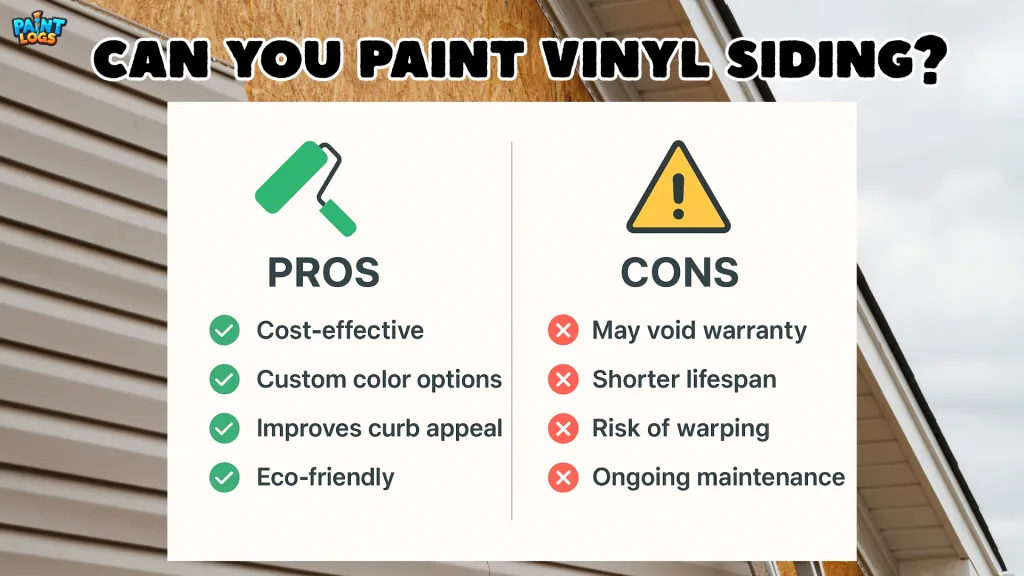
The biggest advantage is cost savings. Painting is far cheaper than a full siding replacement and can instantly refresh your home’s appearance. You also gain flexibility in color, since you aren’t limited to factory shades.
Many homeowners find that a fresh coat of paint improves curb appeal and extends the life of siding that’s still in good condition.
Drawbacks to Keep in Mind
The downsides mainly come down to durability and warranties. Most manufacturers will void the warranty if siding is painted, which means you’re on your own for future issues.
Painted siding usually lasts eight to ten years, which is shorter than the lifespan of new vinyl. Darker colors can also lead to warping, since they absorb more heat.
What Kind of Paint Works on Vinyl Siding?
Not all paints will bond to vinyl. The safest choice is 100% acrylic latex exterior paint or urethane-modified latex. These are designed to flex as siding expands and contracts with temperature changes.
Look for products labeled “vinyl-safe”. These paints resist peeling and cracking, even in harsh weather. Oil-based paints should be avoided because they do not adhere well and may cause surface damage.
As for color, lighter shades are the safest option. If you want to go darker, make sure the paint specifically says it’s formulated for vinyl siding.
How to Paint Vinyl Siding
Painting vinyl siding is all about preparation. Here’s a step-by-step process to get lasting results.
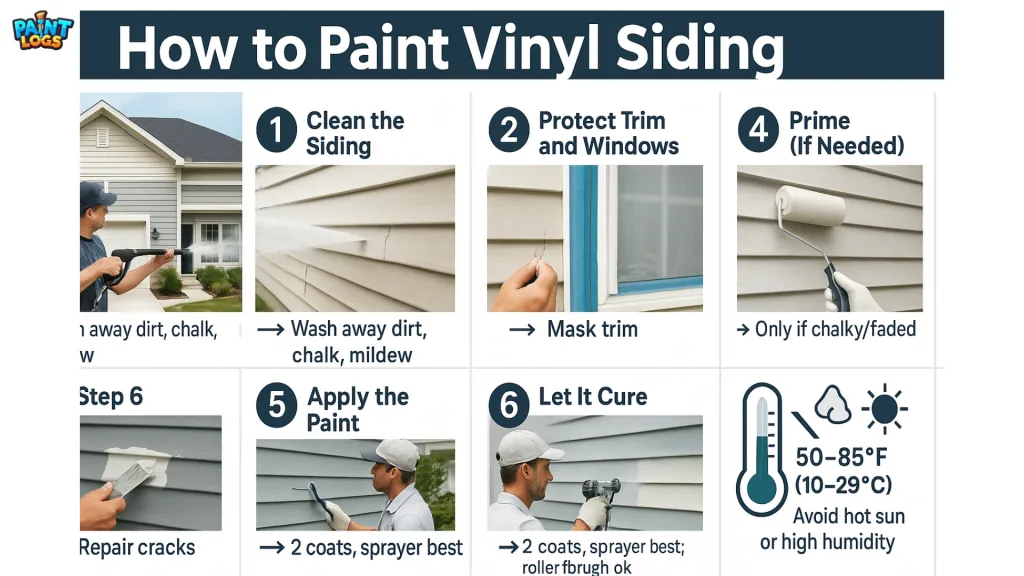
Step 1: Clean the Siding
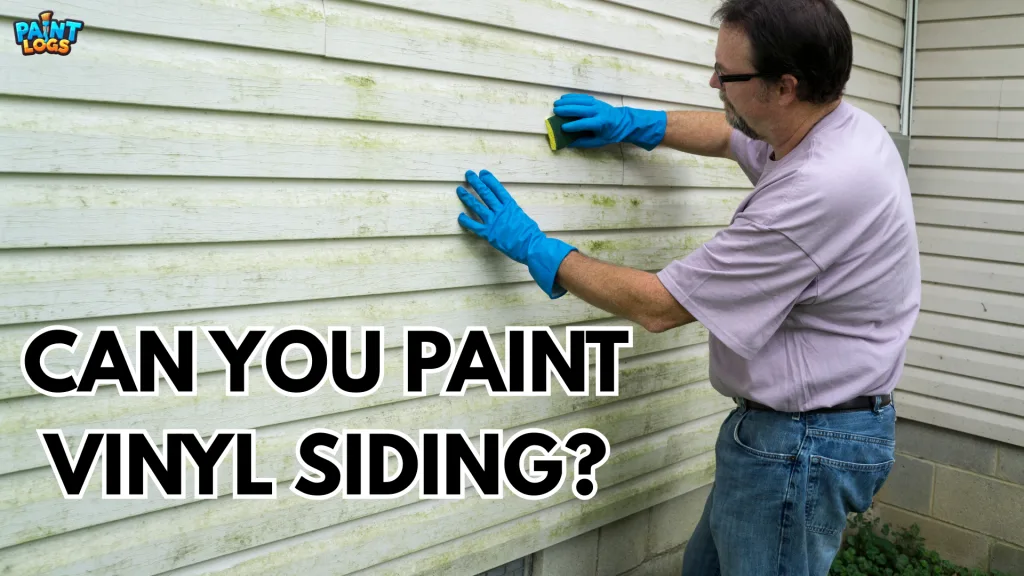
Wash away dirt, chalk, and mildew with a power washer or a scrub brush and cleaning solution. A clean surface ensures the paint sticks properly.
Step 2: Make Repairs
Fix any cracks, chips, or damaged panels before painting. Paint won’t cover or repair structural issues.
Step 3: Protect Trim and Windows
Use painter’s tape and plastic sheets to cover areas you don’t want painted, such as windows, doors, and landscaping.
Step 4: Prime (If Needed)
Most vinyl-safe paints don’t require a primer, but if the surface feels chalky or faded, applying one will improve adhesion.
Step 5: Apply the Paint
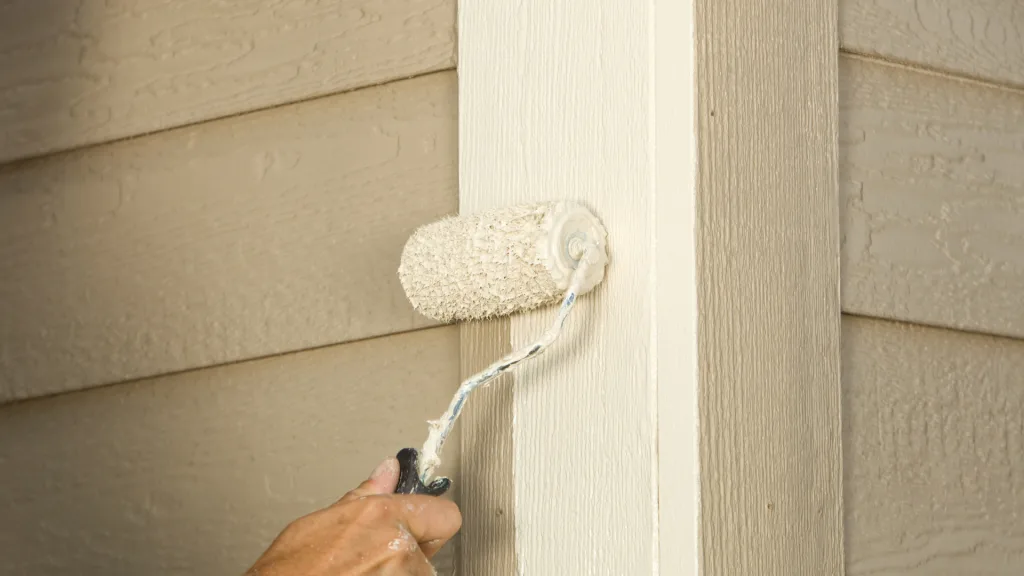
For best results, use a paint sprayer. It gives even coverage and a smooth finish. Brushes and rollers work, but they can leave visible strokes. Apply two coats for durability.
Step 6: Let It Cure
Paint during mild weather, ideally between 50–85°F (10–29°C). Avoid painting in direct, hot sunlight or in very humid conditions.
Can You Paint Vinyl Siding a Darker Color?
The short answer: yes, but with caution.
Risks of Darker Colors
Dark colors absorb more heat from the sun, which can cause vinyl siding to warp or buckle. That’s why many manufacturers recommend sticking to lighter shades. If you paint your siding navy, deep green, or charcoal without the right product, you may see warping within a single hot summer.
When It’s Safe
Some paints are specifically labeled “vinyl-safe darker colors.” These are engineered to handle heat better and reduce the risk of damage. If you want a bold look, make sure you choose one of these specialized paints.
Can You Paint Vinyl Siding Black or White?
Black and white are two of the most common requests, but they behave very differently on siding.
Painting Vinyl Siding Black
Black siding is trendy, but it’s also the riskiest color choice. Black absorbs the most heat, so the chances of warping go way up. If you do choose black, it must be a vinyl-safe formula made for darker shades. Even then, keep in mind the siding will get hotter and may not last as long.
Painting Vinyl Siding White
White, on the other hand, is one of the safest options. It reflects sunlight, which keeps your siding cooler and reduces the risk of damage. White also has a timeless appeal and makes houses look clean and bright.
Cost of Painting Vinyl Siding vs. Replacing
For many homeowners, the main reason to paint instead of replace is cost.
Painting Costs
- DIY: Between $500–$1,000, depending on paint quality and whether you need a sprayer.
- Professional job: Around $3,000–$5,000, depending on home size and location.
Replacement Costs
New vinyl siding can cost $10,000–$20,000 or more, especially for large homes. While replacement lasts longer (20–40 years), the upfront price is much higher.
Lifespan Comparison
Painted siding usually lasts about 8–10 years before it needs a refresh.
Replacing siding is a long-term investment, but painting is a solid choice if your current siding is in good shape and you want to save money.
How to Choose Vinyl Siding Colors That Last
Choosing a paint color for vinyl siding isn’t just about looks—it also affects durability, maintenance, and how your home fits in with the neighborhood. Picking wisely can save you from fading, regret, or a costly repaint.
Match the Style of Your Home
Your home’s architecture should guide your choice. A colonial or farmhouse often looks best in whites, creams, or muted pastels. Modern homes handle bold grays, blues, or even navy much better. Matching your siding color to your home’s style keeps the look timeless.
Use Color Visualizer Tools
Most major paint brands offer free digital tools that let you upload a photo of your house and test colors. This step helps you see how a shade will look in real life before you buy paint. It’s a simple way to avoid mismatched or overwhelming colors.
Play It Safe with Classics
Neutral tones—like beige, gray, and soft blue—tend to hold up best over time. They fade less noticeably and appeal to more buyers if you ever sell your home. Bright or unusual colors can be eye-catching but often fade faster and may affect resale value.
Paint vs. Replace: What Do You Gain or Lose?
Painting and replacing vinyl siding both have advantages. The right choice depends on your siding’s condition, your budget, and your long-term plans.
When Painting Makes Sense
Painting is the smarter option when your siding is structurally sound but faded. For a fraction of the cost of new siding, you can restore curb appeal and extend its lifespan another 8–10 years. It’s also faster than a full replacement, making it appealing for short-term upgrades.
What Replacement Offers
Replacing siding is expensive, but it’s the long-term solution. New siding typically lasts 20–40 years, comes with a warranty, and often includes insulation that improves your home’s energy efficiency. Replacement also allows contractors to spot and fix hidden issues, like moisture damage or rot, that painting can’t address.
Warranty and Insurance Considerations
Once vinyl siding is painted, most manufacturers’ warranties are void. In some cases, painting can even complicate insurance claims if damage occurs later. Replacing siding protects your warranty and may make future repairs or claims easier.
Timing Matters: Ideal Conditions for Painting
Even the best paint will fail if it’s applied at the wrong time. Temperature, sunlight, and season all affect how well the paint bonds to vinyl.
Best Temperature Range
The ideal range for painting vinyl siding is 50–85°F (10–29°C). Within this window, the paint cures evenly and siding isn’t expanding or contracting too much.
Avoid Painting in Extreme Weather
Direct hot sun can make paint dry too quickly, leading to cracks and uneven color. Cold weather slows curing and can cause peeling. Rain or high humidity also prevent paint from sticking properly.
Seasonal Timing
Spring and fall are usually the best seasons for exterior painting. They offer mild weather and lower humidity, which help the paint set correctly. Summer heat and winter cold create more risk, so plan your project during calmer conditions.
Before and After: Painting Vinyl Siding
One of the best parts of this project is seeing the transformation.
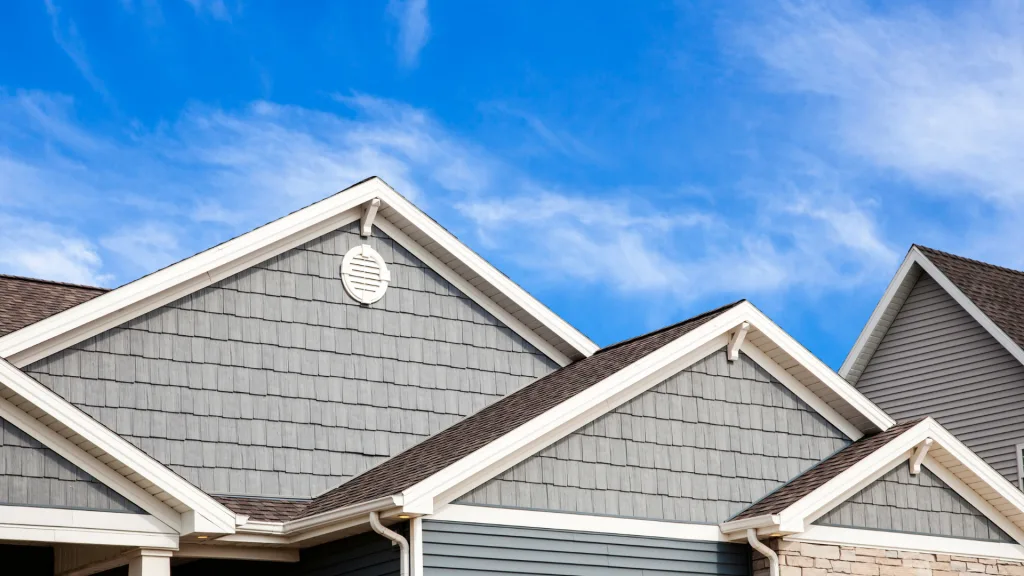
- Faded beige siding can be refreshed with a modern gray for a sleek look.
- Old white siding can be painted sage green or light blue for more character.
- Two-tone designs (lighter siding with darker shutters or trim) create contrast and boost curb appeal.
Before and after photos are powerful for homeowners considering this project. They show how a simple coat of paint can make a house look brand new without the cost of new siding.
Expert Tips for the Best Results of Painting Vinyl Siding
A few smart steps make a big difference in how long the paint job lasts.
Choose the Right Color
Stick with lighter shades if possible. If you want something darker, use a paint specifically labeled as vinyl-safe.
Use Quality Paint
Cheap paint won’t last. Invest in a premium 100% acrylic exterior paint. It will flex with your siding and hold up longer against weather.
Paint in the Right Conditions
The best results happen in mild weather, ideally between 50–85°F (10–29°C). Avoid painting in direct hot sun or when rain is in the forecast.
Plan for Maintenance
Even with proper prep, painted vinyl will need refreshing every 8–10 years. Keep this in mind when deciding between painting and replacement.
Wrap up: Should You Paint Vinyl Siding?
So, can you paint vinyl siding? Yes, you can — and it’s often worth it.
Painting is a budget-friendly way to refresh your home’s exterior, especially if your siding is faded but still in good condition. With the right prep work and the correct vinyl-safe paint, you can expect your finish to last about 8–10 years.
However, painting does come with trade-offs. It may void the warranty, and darker colors can cause warping if the wrong paint is used. For homeowners planning to stay in their house long-term, replacing siding may be the better investment. But if you want an immediate upgrade at a fraction of the cost, painting is a smart choice.
If your siding is structurally sound, painting it can save money, improve curb appeal, and give your home a fresh new look without the expense of replacement.
FAQs About Painting Vinyl Siding
Can You Paint Vinyl Siding With a Roller or Brush?
Yes, you can, but it’s not the best method. Rollers and brushes take longer and often leave streaks. A paint sprayer gives smoother, more even coverage.
Can You Spray Paint Vinyl Siding?
Yes — and this is actually the recommended method. Sprayers apply thin, even layers that bond better to the siding.
Can You Paint Vinyl Siding on a Mobile Home?
Absolutely. Mobile homes with vinyl siding can be painted the same way as standard houses. Just make sure the siding is clean and in good condition.
Can You Paint Vinyl Shutters?
Yes, shutters can be painted with the same vinyl-safe exterior paint. They often fade before siding, so painting them can refresh your home’s look quickly.
Can You Paint Old or Damaged Vinyl Siding?
If the siding is cracked, brittle, or warped, painting won’t fix the problem. In that case, replacement may be the better option.