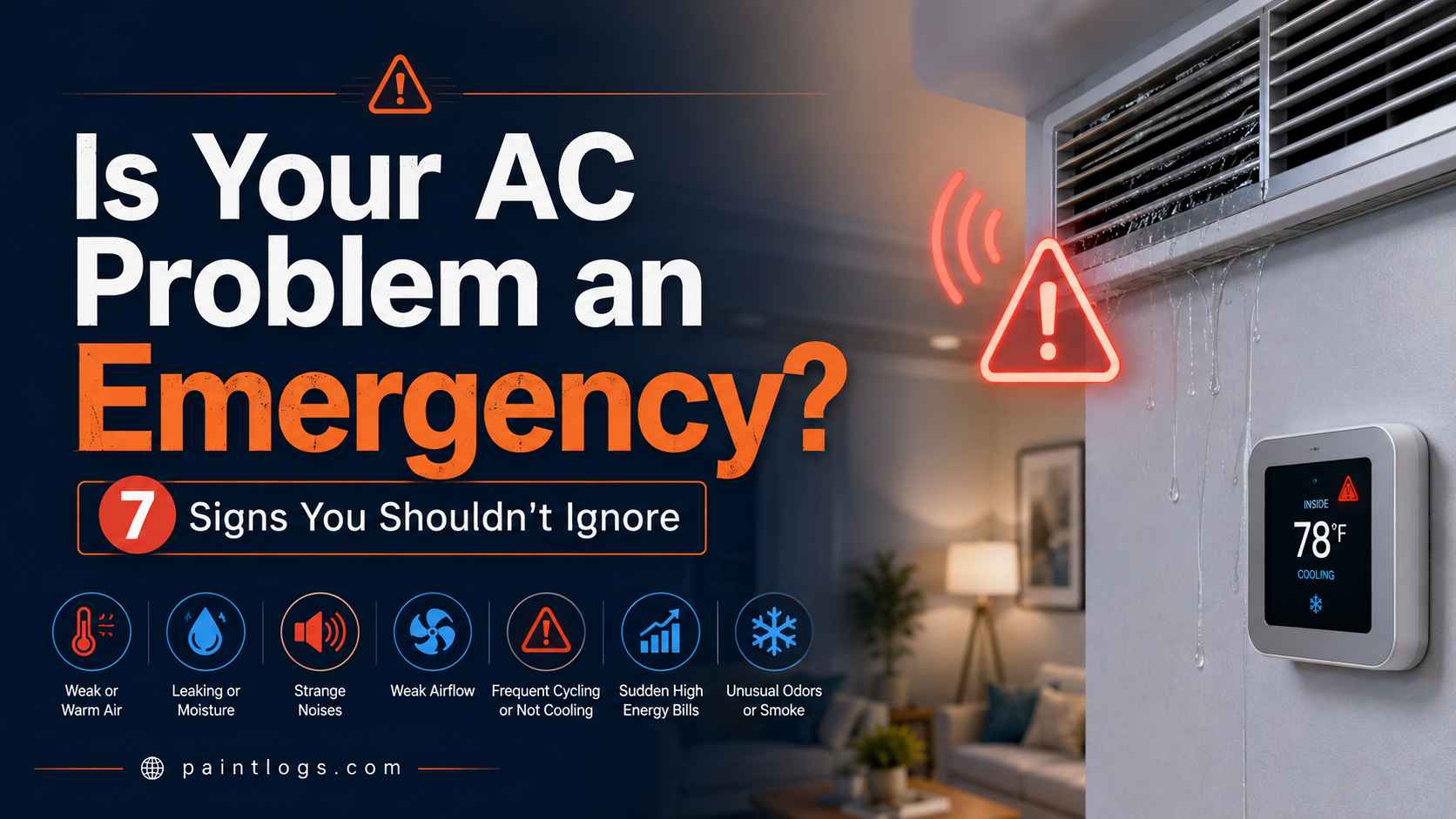
Is Your AC Problem an Emergency? 7 Signs You Shouldn’t Ignore
A hot Chicago afternoon is a really bad time to discover your AC has stopped cooling. Although not every AC problem counts as a true emergency, you should know the difference, as it will save you money and stress. Some issues can wait until regular business hours. Others need attention right now. If your system has completely broken down or is putting your health and safety at risk, calling emergency AC services gets a technician to your door before a small problem turns into a broken system.
This guide shows which AC problems are real emergencies, which ones can wait, and what to actually do while you’re waiting for help.
What Makes an AC Problem a True Emergency?
There is more to an emergency than just “my house feels warm.” In this case, even a few hours of delay could result in serious harm, such as a safety concern or a significantly higher repair cost. That includes things like a compressor operating without airflow, electrical odors, and water actively flooding your house. A slightly warm room on a mild day usually does not.
The general rule is, if you continue to run your AC, it could damage the unit further or put your home at risk; that’s when you need AC emergency repair, not a scheduled visit next week.
What Are the 7 Warning Signs Your AC Needs Emergency Repair?
Here are the signs that mean you should stop whatever you’re doing and call someone today:
- Burning smell or smoke coming from the unit; this points to an electrical issue and is a fire risk
- AC won’t turn on at all during extreme heat, especially dangerous for elderly residents, infants, or anyone with health conditions
- A blocked drain line is typically the cause of water actively rushing or flooding around the indoor unit, but if left unchecked, it can result in actual water damage.
- If ignored, loud banging, grinding, or screeching sounds are frequently indicators of a damaged internal component that could kill the compressor.
- Ice covering the coils along with warm air blowing; the system is straining and could be close to failure
- A circuit breaker keeps tripping every time the AC runs; this is a serious electrical fault, not something to reset repeatedly
- A strong chemical or rotten egg smell can be a refrigerant or gas-related issue, and it needs immediate professional attention
A complete AC failure during a heat wave should never be considered something that can wait because, according to the CDC, exposure to high heat is particularly deadly for young children and elderly persons.
Which AC Problems Can Wait and Which Require Immediate Attention?
Not everything needs you to call for repair the same day. A dirty filter causing weak airflow, for example, might just need a quick swap. A thermostat reading slightly off isn’t putting your home at risk.
What does require immediate action: anything involving electrical smells, standing water, or the system running hot enough to shut down entirely. Delaying repairs on a failing air conditioning system frequently results in a complete compressor failure, which increases the expense of a mild repair to a complete replacement, according to Forbes.
The safest course of action is to treat it as urgent if you’re unsure. A fried compressor will cost thousands of dollars, but a phone call is free.
What Should You Do When Your AC Has an Emergency Problem?
Before help arrives, there are a few things you can safely do:
- Turn the system off completely at the thermostat
- Flip the breaker off if you smell anything electrical or burning
- Move away from the unit if you notice gas or chemical odors
- Take a video or photo of any leaking water for reference
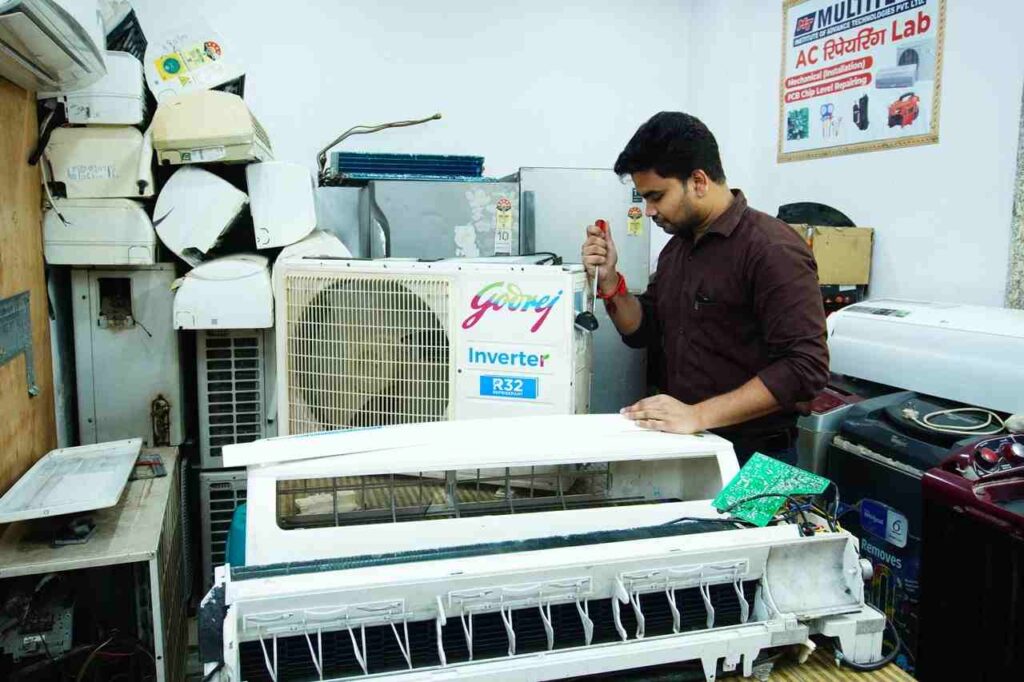
- Call a licensed emergency air conditioner service rather than attempting to repair it yourself
Try not to open the unit’s panel or touch internal components. Refrigerant lines and electrical parts inside an AC system aren’t safe for anyone who lacks proper training, and messing with them can turn a repair into a much bigger problem, which is exactly the situation an emergency air conditioner service is trained to handle safely.
How Can You Prevent Emergency AC Repairs in the Future?
Most true emergencies don’t come out of nowhere. They build up over months of small warning signs that got ignored. A few habits can go a long way:
- Plan a professional tune-up once a year, possibly before summertime
- Change your air filter every one to three months
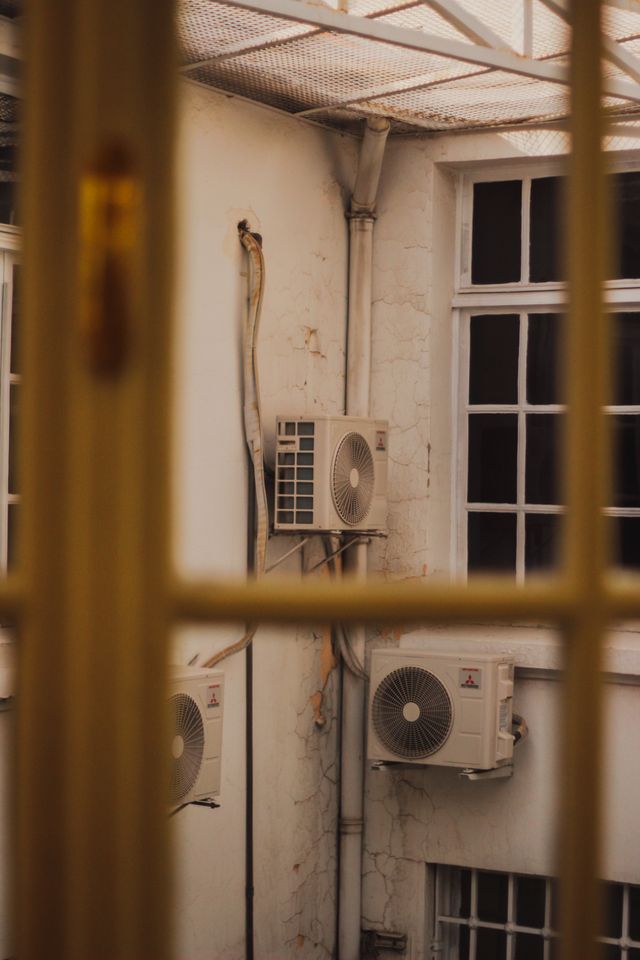
- Keep the outdoor unit free of leaves, dirt, and debris
- Don’t ignore strange noises, even quiet ones. They rarely fix themselves
Keeping an eye out for odd sounds, odors, and performance declines will help shield your house and finances from the stress of a complete system breakdown. Frequent maintenance identifies these issues, and the solution is inexpensive.
In Conclusion
While not every AC problem requires an immediate call, you shouldn’t disregard the warning indications listed above, such as burning aromas, flooding, ice accumulation, and tripped breakers. You can safeguard your finances and comfort by acting quickly. Astera’s staff is prepared to assist Chicago homeowners in quickly returning to cold air if their system exhibits any of these signs.
Have you dealt with an AC emergency before? Share what happened in the comments below. Your experience might help a neighbor catch the warning signs sooner.