Plumbing Issues That Can Leave Lasting Marks on Interior Paint
Water leaks behind drywall ruin interior paint long before water drops land on floorboards. Hidden pipe leaks continuously push wetness into wallboards, causing latex layers to separate from primed surfaces. Tackling concealed plumbing failures early protects paint finishes and interior building materials across residential properties.
Unseen Pipe Leaks and Ceiling Stains
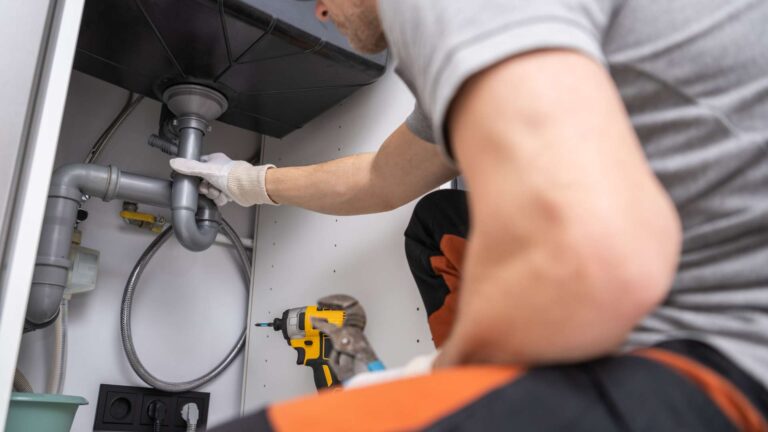
Homeowners often spot dark rings on ceiling drywall after internal pipes start leaking. Contacting reliable professionals like Revelation Plumbing helps fix underlying line issues before structural framework suffers permanent ruin. Direct pipe repairs keep minor wall discolouration from spreading into costly ceiling restoration projects.
Water pool accumulation behind ceilings exerts steady downward pressure on gypsum boards. As hours pass, gravity pulls trapped liquid through porous plaster, spreading brown stains across wide ceiling sections.
Pinhole leaks in overhead copper lines drip for months before breaking through topcoats. Ceiling paint softens gradually as water saturates paper backing sheets from above.
Common Water Sources Inside Wall Cavities
Pipe failures behind kitchen and bathroom walls release steady streams of water into structural studs. Overflowing sinks and clogged drains force trapped wastewater back through supply lines, soaking surrounding insulation.
Guidelines from Purdue University Extension indicate that plumbing leaks, overflow of sinks, bathtubs or shower spray, and improperly sealed walls act as primary internal water sources. Gaps around faucet fixtures allow continuous splashing to reach bare drywall panels. Poor tub seals direct hundreds of gallons down joist spaces over short periods.
Research from Legacy Roofs notes that plumbing issues inside walls or ceilings create unwanted dampness that manifests as unsightly surface stains. Discolored rings signal hidden water accumulation long before liquid breaks through plaster coatings.
High water pressure inside supply lines causes fittings to loosen. Tiny drips behind sink vanities soak lower wall edges, loosening paint primer coatings.
Surface Blistering and Peeling Paint Layers
Trapped water behind wallboards forces latex paint to stretch outward into fluid-filled bubbles. Paint bubbles stretch as internal water pressure builds, creating soft pockets across smooth wall surfaces.
An educational article from Cornell University points out that peeling, bubbling, or blistering paint usually stems from dampness intrusion or leaking pipes. Painting over blisters without repairing line leaks causes fresh topcoats to flake off quickly.
Moisture trapped underneath latex paint films destroys adhesive bonds between paint and primer. Soft bubbles burst, leaving raw drywall exposed to ambient air currents.
Physical Signs of Wallboard Damage
- Cracked drywall tape along interior corner seams
- Flaking latex paint near baseboard trim lines
- Warped wallboard panels behind supply fixtures
- Dark brown ceiling rings under bathroom floors
Guidance published by the EPA lists cracked drywall tape and peeling paint as clear indicators of internal water damage. Constant water exposure degrades paper backings until heavy wall panels detach from wall studs.
Rapid Growth of Hidden Wall Mold
Dark discoloration forming under paint layers often means fungal colonies have taken root inside wet drywall. Waterlogged plaster creates perfect breeding grounds for airborne spores trapped within enclosed spaces.
Educational materials from PTT state that mold takes only 24 to 48 hours to appear once drywall gets wet. Early fungal growth weakens internal wallboard fibers, causing topcoat paint to crack, flake, and drop off.
Mold spores spread inside wall cavities long before black spots penetrate paint coatings. Removing affected wallboards becomes necessary once fungal growth compromises plaster structural strength.
Structural Warping and Frame Damage
Water saturation causes wooden wall studs and framing timbers to swell and twist. Twisting framework pulls wallboard screws straight through softened plaster sheets.
Public safety information from Montgomery College highlights that stains on ceiling tiles, peeling paint, warping walls, or wooden furniture indicate water intrusion or small leaks. Structural movement creates long diagonal cracks across painted drywall joints.
Swarms of cracks along paint seams signal that internal framing supports have shifted from heavy moisture absorption. Repairing underlying framing is mandatory before applying fresh paint coats.
Hidden Line Leaks and Wallpaper Failure
Wallpaper adhesives dissolve quickly when water creeps between decorative paper and drywall substrates. Trapped water causes vinyl coverings to blister, peel, and fall off wall surfaces.
Insights shared on the Oregon State University blog report that hidden plumbing leaks commonly cause peeling paint or wallpaper and brown spots on ceilings. Seeping water dissolves paste backing, leaving loose decorative strips hanging off interior walls.
Plumbing leaks inside wall cavities often go unnoticed until wallpaper edges begin curling away from baseboards. Damp conditions destroy glue layers, making structural drying necessary before repainting.
Preventing Long-Term Paint and Drywall Damage
Routine plumbing inspections prevent sudden pipe bursts behind painted surfaces. Checking water pressure levels prevents flexible supply lines from popping off valves under heavy load.
Installing water leak detectors near major appliances provides early warning before wallboards absorb liquid. Cleaning out sluggish drains prevents backup pressure from cracking aged drain lines. Quick action preserves painted wall finishes and prevents extensive drywall replacement.
Maintaining interior paint finishes requires constant awareness of hidden plumbing issues behind walls. Timely pipe repairs prevent costly wallboard replacements and extensive painting jobs across interior spaces. Addressing internal drips at the first sign of dampness keeps interior walls smooth, dry, and clean.