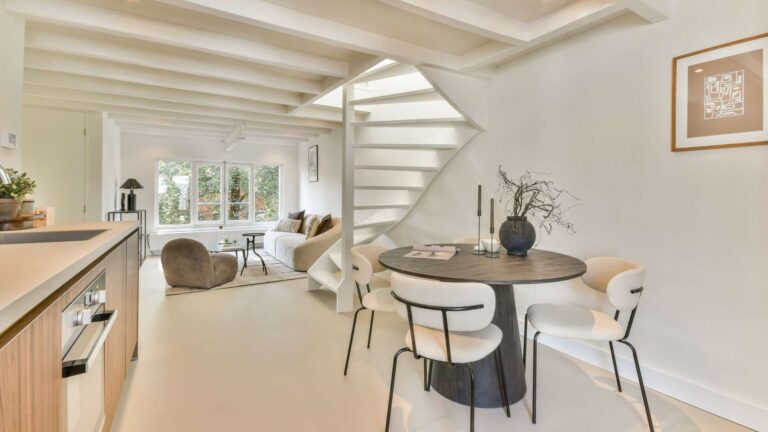

Important Things to Consider Before Renovating Your Home
Home renovation projects are an exciting journey. It can transform residential spaces into better-looking, more comfortable, yet higher-value environments. Renovating your home projects require proper planning and effective selection of work methods. Also, the process requires builders to start with basic requirements that will shape their work through to the end.
Before starting any renovation project, it is important to think about several factors that can affect your time, budget, and results. The implementation of a detailed project plan will help you to achieve your renovation goals. It also helps to maintain control over project expenses and potential issues.
This article will explore the important things you need to consider before renovating your home:
1. Choose Quality Materials
The use of high-quality materials results in longer-lasting products, which enhance the aesthetic value of your home. Many homeowners choose glass cabinet doors when renovating their kitchens.
The doors create a brighter, contemporary kitchen design while providing space to display decorative items and dishes. Selection of durable, appealing materials will result in a successful renovation that continues to benefit your project over time.
2. Set a Clear Budget
Home renovation projects begin with identifying project expenses, which set financial limits. Your budget estimate determines your spending power, which affects your selection among different building materials, design options, and workforce resources. Renovation costs can add up quickly if you are not careful.
Homeowners need to investigate current market rates to estimate renovation costs before they begin their projects. Most homeowners want to know the cost to paint a house because this information helps them create an accurate budget. Advanced knowledge of these costs enables you to address budget issues that may arise during the renovation.
3. Plan Your Design Carefully
The design process requires you to create a vision for your home, including interior design changes that will enhance its operational capacity. Space usage optimization becomes possible when designers create efficient design plans that make the most of available space.
The design process requires you to choose among different color options, materials, and floor plan designs. Online design platforms and design magazines serve as valuable resources for your renovation project, providing design inspiration through their content.
Natural elements are a great addition to your interior layout because they soften crisp architectural lines and breathe life into minimalist rooms. Designers advise getting premium plastic planters that can be used for housing large indoor palms or delicate trailing vines in high-traffic zones.
Selecting durable containers ensures that your botanical arrangements remain lightweight and easy to reposition as seasonal lighting patterns shift throughout the year. Thoughtfully scattering these verdant accents across the floor plan ultimately creates a balanced environment that feels both sophisticated and inherently relaxing.
4. Hire Experienced Professionals
Homeowners can handle some renovation work, but most projects require assistance from skilled professionals. The use of experienced contractors, electricians, and plumbers enables tasks to be completed securely and precisely.
Professional workers accomplish their jobs more quickly while delivering superior work. The process of hiring a candidate should begin with reviewing their work history and obtaining references, and conducting a cost comparison.
5. Think About Time and Disruption
Home renovations require both an extended period of time and will disturb your normal daily activities. The living space becomes uncomfortable due to noise and dust, as well as the temporary alterations to your home.
Moreover, the project requires you to establish a method for handling all upcoming obstacles before work begins. The contractor requires you to establish a precise renovation schedule to determine the project duration.