
How Jacksonville’s Climate Impacts HVAC Performance
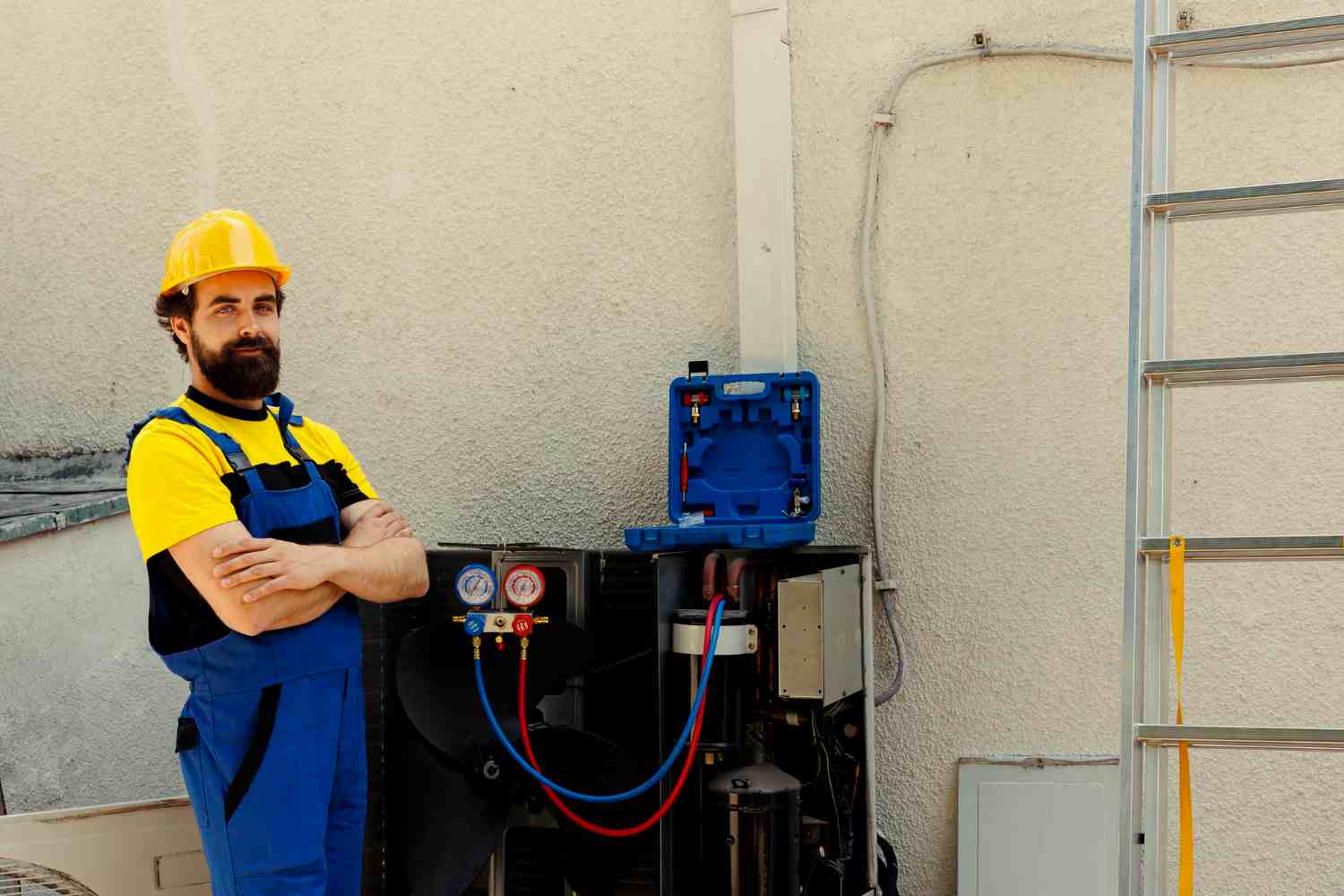
Jacksonville’s climate remains very hot and humid throughout the year. Having a proper temperature control system, like HVAC, helps keep your home cool and comfortable most of the time. But in very hot summers, the need for constant cooling increases, and the system gets severely affected by overuse.
Let’s learn more about how hot summers in Jacksonville affect the performance of the HVAC systems of the residents.
Extra Load on the System
In hot, humid climates, HVAC systems primarily work by bringing cool outside air into your home. Most of the time, this system works just fine. But when conditions are consistently hot in an area, the compressor could overheat, and the system might crash.
To avoid such situations, you should have your HVAC system evaluated twice a year. Try to schedule this inspection right before peak summer so you can have a fresh start, reducing the chance of a crash due to overload.
Increased Cooling Need
Most of the time, the air conditioning system helps Jacksonville residents survive the hot weather. But when the system runs continuously for 16 to 20 hours, its efficiency will be reduced due to constant overwork.
Parts like compressors, fan motors, and capacitors can get damaged because they are constantly working to perform at their best in extreme weather conditions. In this situation, timely ac repair is the only way to survive the harsh weather. If you don’t get these things repaired early on, you will have to spend a lot to get a new system installed in your home.
Consistent Salt Exposure
Another major risk to the HVAC systems of residents living in Jacksonville is constant salt exposure, as the coast is close, so HVAC metal components can easily be damaged. And even if a small part or an apparently insignificant component is damaged, it would still affect the whole system.
Therefore, it is important to have your system regularly inspected by professionals like David Gray Electrical, Plumbing, Heating & Air. They will identify the damaged part and repair it early so you don’t have to invest in a new system altogether.
Increase Mold’s Growth Risk
The high-humidity environment of Jacksonville supports mold growth. Initially, as condensation formed, it mixed with dust on the coil creating an ideal environment for mold growth. Then the debris builds up on the ductwork and filters provides a food source for mold. This way your HVAC system becomes an ideal environment for mold growth.
Final Thoughts
Learning how weather conditions in your area can affect your temperature control system will help you find efficient ways to manage common issues. Your air conditioner will be working extra hard, and due to increased humidity, the chances of mold growth also increase for the residents of Jacksonville.
Salt exposure further increases the risk of metal corrosion in the system, though you can reduce it through proper cleaning and inspection. But for that, you would have to make sure to clean your HVAC system regularly and then you can also contact professional to inspect, clean, and repair the system as needed.