
How to Make Your Home Renovation More Eco-Friendly: Solar, Paint, and Smarter Choices
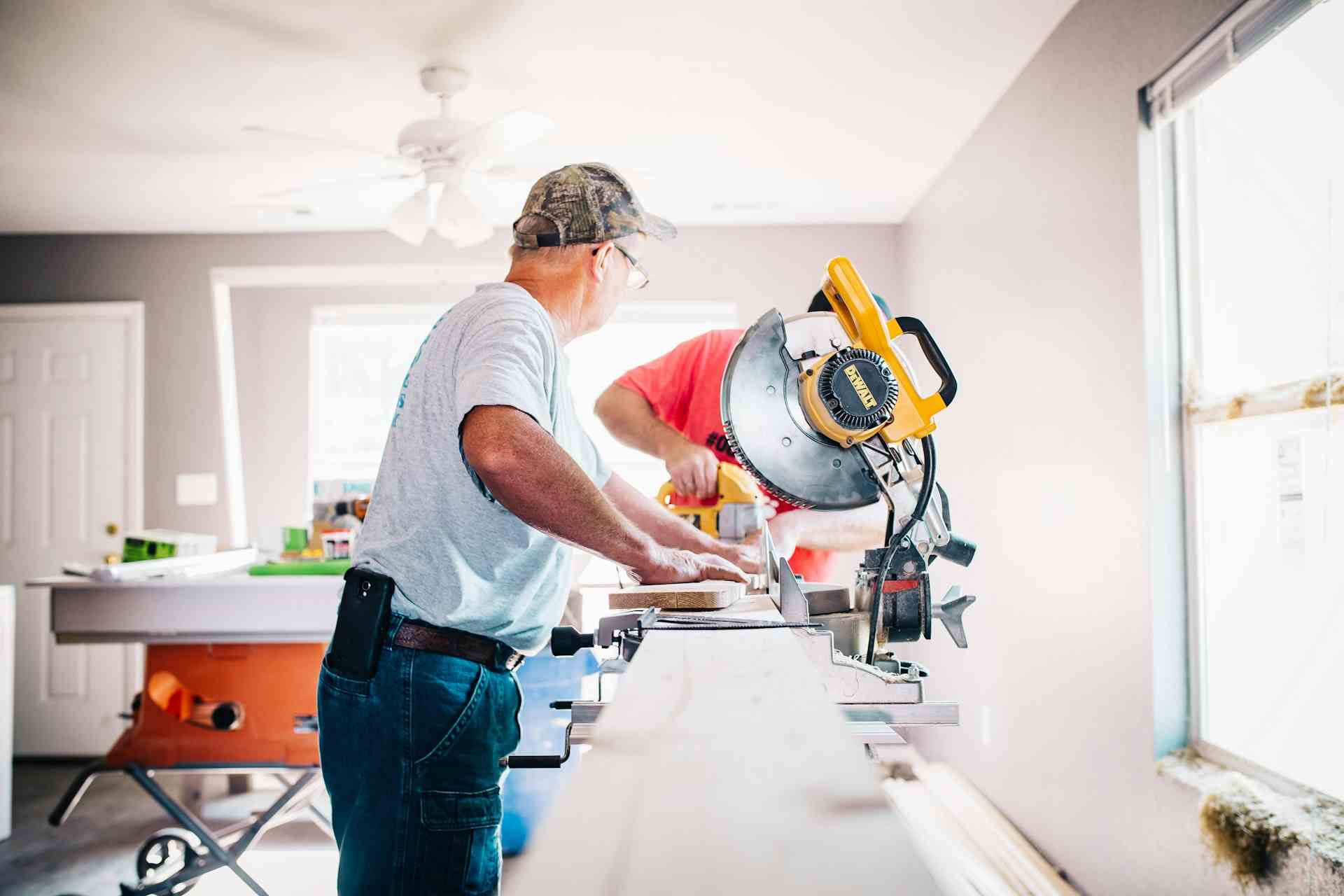
Home renovation has come a long way. What used to be purely about aesthetics — choosing the right color, the right finish, the right fixtures — is now increasingly about sustainability. Homeowners today are thinking beyond how their space looks and asking a more important question: how does it perform, and at what cost to the environment?
If you’re planning a renovation, combining energy upgrades with smarter surface finishes is one of the most impactful things you can do. Here’s how to approach it.
Start With the Bigger Picture: Energy First
Before you pick paint swatches, take a step back and assess your home’s energy situation. Renovations are disruptive by nature — walls come down, contractors are on-site, and systems get touched. That disruption is actually an opportunity. It’s the ideal time to add or upgrade a solar energy system, because the installation work integrates naturally with other ongoing construction.
Solar panels have dropped dramatically in cost over the past decade, and modern systems are far more accessible than most homeowners realize. Whether you’re looking to go fully off-grid or simply reduce your monthly electricity bills, integrating solar during a renovation (rather than after) saves you time, money, and a second round of disruption. A good starting point is exploring solar kits designed for easy installation — complete systems that cover panels, inverters, and batteries, available for both DIY and professionally installed setups.
The math is straightforward: a well-sized solar system can offset most of a household’s energy consumption, with most homeowners seeing a full return on investment within 4 to 7 years. When you factor in rising utility rates, that payback period gets shorter every year.
And here’s something worth noting: a newly renovated home with solar already installed is a significantly stronger asset on the resale market. Energy-efficient homes sell faster and at higher prices, particularly as buyers become more utility-cost conscious.
Rethink Your Paint Choices
Once the energy side is addressed, turn your attention to surfaces — and specifically, to what you’re putting on them.
Conventional paints have historically contained volatile organic compounds (VOCs), which off-gas into your home long after the painters have packed up. The effects range from unpleasant odors to more serious indoor air quality concerns, particularly in poorly ventilated spaces. Low-VOC and zero-VOC paints are now widely available and perform just as well as their older counterparts, often better.
When selecting eco-friendly paint, look for:
- Low or zero VOC formulations — Most major paint brands now offer these across their product lines.
- Natural pigments where possible — Some specialty paints use plant- or mineral-based colorants rather than synthetic dyes.
- Durable finishes — The most sustainable paint is one you don’t have to reapply frequently. Higher-quality paints that hold up to cleaning, humidity, and UV exposure reduce the frequency of repainting, which means less material consumption over time.
- Light-reflective colors — Choosing lighter shades for interiors can meaningfully reduce lighting needs, complementing the energy savings from your solar installation.
Don’t Overlook Your Equipment and Tools
Eco-friendly renovation isn’t just about the materials you choose — it’s also about how efficiently the work gets done. Professional painters and serious DIYers rely heavily on pneumatic and hydraulic equipment: spray systems, compressors, pressure tools. Keeping that equipment well-maintained and sourced responsibly matters both for performance and for reducing waste.
For contractors or homeowners managing larger projects, having reliable access to hydraulic and pneumatic spare parts is more important than it might seem. Spray compressors, pressure systems, and pneumatic tools are the workhorses of any serious paint job — and when a component fails mid-project, the delay costs more than the part itself. Being able to source replacements quickly through a well-stocked digital platform keeps projects moving and reduces unnecessary waste from equipment left idle.
Well-maintained equipment also uses less energy, runs more reliably, and produces a better finish — which means less rework and less material waste overall.
Bring It All Together
An eco-friendly renovation isn’t a single decision — it’s a series of aligned choices that compound over time. Solar reduces your ongoing energy costs and carbon footprint. Low-VOC paint improves indoor air quality and lasts longer. Well-sourced, properly maintained tools make the work itself more efficient.
Here’s a simple framework to guide your project:
- Assess your energy needs first. Get a solar consultation before renovation work begins so the system can be integrated cleanly.
- Choose paints based on durability and VOC content, not just color. Ask your painter or supplier for low-VOC options as a baseline.
- Think long-term. Every upgrade should be evaluated not just on upfront cost, but on lifespan, maintenance needs, and resale value.
- Source materials and equipment responsibly. Whether you’re a homeowner or a contractor, efficient procurement reduces waste and keeps projects on schedule.
The most sustainable renovation is one that doesn’t need to be redone in five years. When energy efficiency, surface quality, and smart sourcing come together, you end up with a home that’s genuinely better — for you, and for the environment.