Home Decor Lights: 5 Cozy, Safe, and Money-Smart Lighting Moves
You know that strange moment when your room is technically clean, but it still feels flat, cold, or unfinished? Very often, the problem is not your sofa, your wall color, or your rug. It is your home decor lights. Good lighting is like seasoning in a simple meal: you do not always notice it first, but when it is wrong, everything feels off.
This guide helps you use home decor lights in a practical way: warmer evenings, easier reading, better-looking rooms, fewer buying mistakes, and safer daily habits. The advice below is based on current consumer lighting guidance, energy data, fire-safety guidance, and sleep-related light research.
For example, the U.S. Department of Energy says residential LEDs, especially ENERGY STAR-rated products, use at least 75% less energy and last up to 25 times longer than incandescent lighting. The U.S. Energy Information Administration also reported in April 2026 that U.S. households using mostly LED bulbs indoors rose from 4% in 2015 to 63% in 2024.
Key takeaway: home decor lights are not just decoration. They shape how your room looks, how your eyes feel, how safe your setup is, and how much electricity you waste every week.
1. Start With Layers, Not One Big Ceiling Light
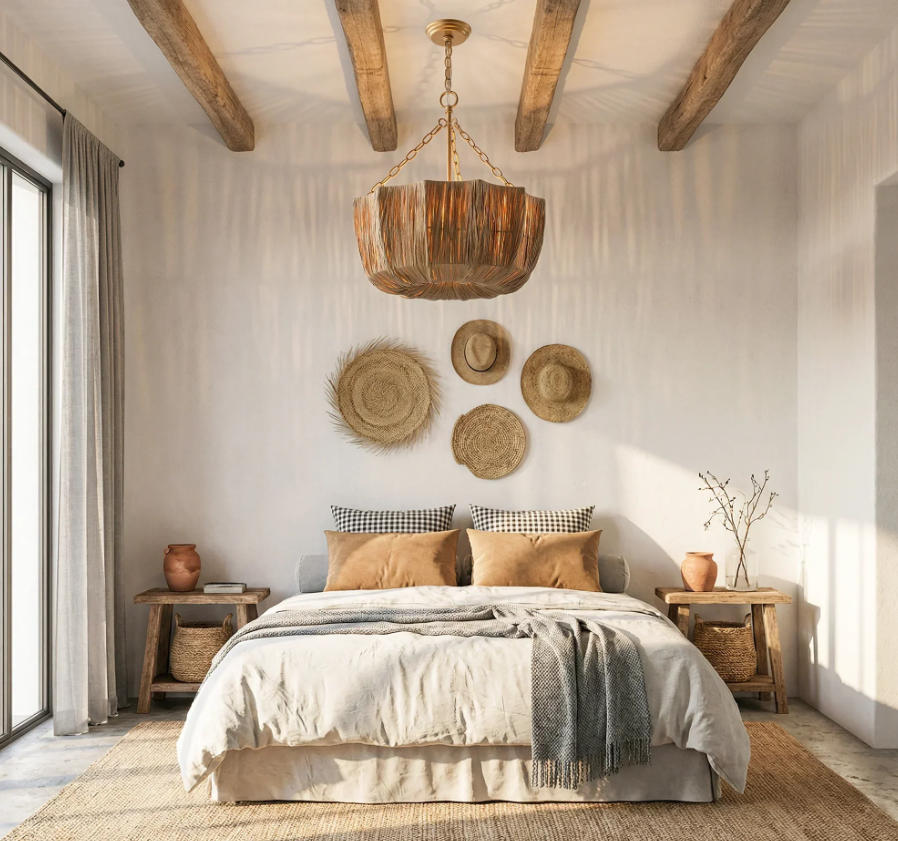
If you rely on one bright ceiling light, your room can look harsh even when the furniture is beautiful. The easiest fix is layering. Think of lighting like clothing in cool weather: one thick coat can work, but a base layer, sweater, and jacket usually feel better. Your room works the same way.
Use three simple layers. Ambient light gives the room general brightness. Task light helps you read, cook, apply makeup, work, or sort laundry. Accent light highlights something you love, like a plant, shelf, picture frame, stone wall, or cozy corner.
Here is a practical example. In a living room, your ambient light might be a soft ceiling fixture or floor lamp. Your task light might be a reading lamp beside the sofa. Your accent light might be a small picture light over art or a warm LED strip under a floating shelf. Suddenly, the room feels intentional. Nothing complicated. Nothing expensive.
The right choice depends on your personal preferences and the overall layout of the home. Homeowners are choosing strip lights to make the space feel modern and subtly elevated without overwhelming the existing decor. Placing these fixtures along architectural edges highlights distinct areas while maintaining a soft, comfortable glow. Thoughtful illumination choices transform ordinary rooms into functional, well-designed living environments.
Friendly Layering Guide for Home Decor Lights
| Lighting Layer | Best Use | Simple Example | Time to Set Up |
|---|---|---|---|
| Ambient | General room glow | Ceiling light or floor lamp | 10 minutes |
| Task | Reading, cooking, makeup, desk work | Desk lamp or under-cabinet light | 5 minutes |
| Accent | Mood and decoration | LED strip, shelf light, picture light | 15 minutes |
Why does this work? Because your eyes like contrast. A room with only one overhead bulb is like a photo taken with a flash: clear, but not flattering. A layered room has soft shadows, gentle highlights, and small points of interest. That makes your home feel calmer and more finished.
2. Choose Warm, Cool, or Daylight Bulbs by Room Mood
One common confusion is the difference between brightness and color. Brightness is usually measured in lumens. Color temperature is measured in Kelvin. In everyday words, Kelvin tells you whether light feels golden, neutral, or bluish-white.
Warm white light, often around 2700K to 3000K, feels cozy and relaxed. It works beautifully in bedrooms, living rooms, dining rooms, and evening corners. Cooler light, often around 3500K to 5000K, feels cleaner and more alert. It can help in kitchens, garages, laundry rooms, closets, and workspaces.
This does not mean every room needs only one color. Your kitchen, for example, may need bright task lighting over the counter but softer pendant lights over the island. Your bedroom may need a warm bedside lamp for winding down and a clearer closet light for choosing clothes. The trick is matching the light to the moment.
Simple Color Temperature Choices for Everyday Rooms
| Room or Area | Good Kelvin Range | Feeling You Get | Best Decor Light |
|---|---|---|---|
| Bedroom | 2700K-3000K | Soft and restful | Bedside lamp |
| Living room | 2700K-3000K | Cozy and social | Floor lamp plus accent lights |
| Kitchen counter | 3000K-4000K | Clear and useful | Under-cabinet light |
| Desk or hobby table | 3500K-5000K | Focused and bright | Adjustable task lamp |
Sleep research also matters here. A 2022 expert consensus paper in PLOS Biology explains that daytime, evening, and nighttime indoor light exposure can affect alertness, circadian rhythms, and sleep. The practical lesson is simple: use brighter light when you need energy, then soften and dim your home decor lights as bedtime gets closer.
Useful link: read the PLOS Biology consensus recommendations on indoor light and sleep if you want a research-based explanation of how light timing can affect rest.
3. Use Lumens, Not Watts, When Buying Decorative Bulbs
Another everyday mistake is shopping by watts. Watts tell you how much power a bulb uses, not how bright it looks. With older incandescent bulbs, people learned shortcuts like “60 watts is normal.” With LEDs, that habit can mislead you because an LED can give similar brightness with much lower wattage.
Use lumens instead. A small accent lamp may need only about 250 to 450 lumens. A bedside lamp often feels useful around 450 to 800 lumens. A kitchen or work area may need more, especially if the light is spread across a counter.
Formula 1: simple brightness planning
Total room lumens = number of bulbs × lumens per bulb
Example: if your living room has 3 lamps and each bulb gives 800 lumens, your room has about 2,400 total lumens. That does not mean every corner is equally bright, but it gives you a quick starting point. If the room still feels gloomy, add a lamp in the dark corner instead of buying one painfully bright bulb.
Useful link: the U.S. Department of Energy LED lighting guide explains why LEDs save energy and why efficient bulbs are now the practical default for most homes.
Useful link: the ENERGY STAR lighting upgrade page is written for buildings, but it is still useful for understanding why inefficient lighting wastes money and why lighting upgrades are often a smart first step.
4. Make Your Home Decor Lights Save Money Without Looking Cheap
Saving money with home decor lights does not mean living under cold, ugly bulbs. Modern LEDs come in warm tones, dimmable styles, decorative filament shapes, globe bulbs, candle bulbs, smart bulbs, and small strip lights. The practical upgrade is not “buy the brightest bulb.” It is “put the right efficient light in the right place.”
Formula 2: simple lighting cost estimate
Monthly lighting cost = bulb watts ÷ 1000 × hours used per day × 30 × electricity price per kWh
Example: say you use a 9-watt LED lamp for 5 hours a day, and your electricity price is $0.20 per kWh. The monthly cost is 9 ÷ 1000 × 5 × 30 × 0.20 = $0.27. That is about 27 cents a month for that lamp. If an older bulb used 60 watts for the same time, the monthly cost would be 60 ÷ 1000 × 5 × 30 × 0.20 = $1.80. One lamp is not life-changing, but ten frequently used lamps add up.
The EIA’s 2026 household lighting update shows why this shift matters: LEDs have become the main indoor bulb type in U.S. homes, with 63% of households using mostly LEDs indoors in 2024. That is not just a design trend. It is a practical change in how people light their homes.
Useful link: the U.S. Energy Information Administration household LED report gives a current, data-based snapshot of how common LED lighting has become in U.S. homes.
Everyday Effects of Smarter Home Decor Lights
| Scenario | Simple Lighting Move | Typical Weekly Benefit | Success Sign |
|---|---|---|---|
| Evening reading | Warm task lamp near chair | 5-7 calmer nights | No squinting |
| Kitchen prep | Under-cabinet LED strip | 20-30 easier minutes | Fewer shadows on counter |
| Bedroom wind-down | Dim warm bedside lamp | 30-60 softer minutes | You stop using harsh ceiling light |
| Entryway safety | Motion night light | 7 safer evenings | No dark stumble zone |
5. Put Light Where Life Actually Happens
Decor magazines often show perfect rooms, but your home has real habits. You drop keys near the door. You fold laundry on the bed. You read recipes on your phone. You look for socks in a dark drawer. Your home decor lights should follow those habits.
Start with a five-minute walk-through at night. Do not turn on every light. Just notice where you feel annoyed. Is the hallway too dark? Is your desk bright but the keyboard shadowy? Does your bathroom mirror light make your face look tired? Does your dining table look nice but your kitchen counter look dull?
Then fix the pain point, not the whole house. A plug-in wall sconce can rescue a reading corner. A rechargeable picture light can make a rental apartment feel custom. A motion sensor night light can make a hallway safer. A small lamp on a kitchen counter can make late-night tea feel calmer than switching on a bright ceiling fixture.
Here are three everyday scenarios that show how small changes work. First, imagine you work at the dining table. The overhead light is behind you, so your hands cast shadows on your notebook. Add a small task lamp to the side opposite your writing hand. The shadow moves away from your work. Easy!
Second, imagine your bedroom feels bright but not relaxing. Replace one cool bulb with a warm dimmable bulb, then use that lamp during the last hour before bed. You are not trying to create a luxury hotel. You are simply telling your brain, “The day is slowing down.”
Third, imagine guests arrive and your entryway looks dull. Add a small warm lamp, a mirror nearby, or a soft wall light. The mirror bounces the light, the entry feels bigger, and your guests get a friendlier first impression before they even sit down.