
Are Paint Fumes Dangerous? Yes, paint fumes are potentially dangerous. They contain volatile organic compounds (VOCs) that can irritate your body immediately and may cause long-term harm with repeated exposure. Even low-odor or water-based paints release chemicals, so ventilation and protective steps are essential.
Paint fumes are not harmless. Every can of paint—whether oil-based, latex, spray, or labeled “low-VOC”—releases vapors as it dries. These vapors are made up of VOCs and solvents. When inhaled, VOCs irritate your eyes, throat, and lungs. With long or repeated exposure, they can strain your liver, kidneys, and nervous system according to the EPA’s guide on indoor air quality.
While most home painting projects are not immediately lethal, ignoring safety precautions can make you sick, trigger asthma attacks, or, in rare cases, lead to severe poisoning.
What Happens When You Inhale Paint Fumes?
Immediate Effects (Acute Exposure)
Breathing paint fumes can cause headaches, dizziness, nausea, coughing, and irritation of the eyes and throat within minutes. These are signs your body is reacting to chemical vapors.
Short-term effects include:
- Headaches or migraines
- Nausea or vomiting
- Dizziness or lightheadedness
- Burning or watery eyes
- Scratchy throat or persistent coughing
- Fatigue or difficulty concentrating
Most people recover quickly after leaving the painted area and breathing fresh air. However, those with asthma or allergies may experience more intense symptoms that last for hours.

Can Paint Fumes Make You Sick?
Yes. Short-term sickness from paint fumes is common in poorly ventilated spaces.
Imagine painting a small bathroom with the door closed. Within 30 minutes, fumes can build to levels that cause dizziness, nausea, or lightheadedness. If you continue without breaks, you may develop chest tightness, coughing, or even vomiting.
Some people describe this as feeling “flu-like” while painting. This is your body’s way of signaling that you’ve reached an unsafe level of exposure.
Long-Term Health Risks
While a single project may only cause temporary discomfort, repeated or long-term exposure carries more serious risks.
- Respiratory problems: Constant exposure to VOCs can increase the risk of asthma, bronchitis, and reduced lung capacity.
- Neurological effects: Studies have linked chronic exposure to memory loss, mood changes, and difficulty concentrating.
- Organ damage: The liver and kidneys work to filter chemicals, and repeated strain may increase the risk of damage.
- Cancer risk: Benzene and other paint-related chemicals are recognized carcinogens (National Cancer Institute).
Professional painters, auto-body repair workers, and frequent DIYers are the groups most at risk if they do not use protective measures.

Are All Paint Fumes Toxic? (Latex vs. Oil Paint)
Yes, all paints release fumes, though the level of toxicity varies.
- Oil-based paints
- Emit high levels of VOCs
- Have a strong odor that can linger for days
- Require mineral spirits or turpentine for cleanup
- Latex (water-based) paints
- Contain fewer VOCs
- Odor is milder but not harmless
- Easier cleanup with soap and water
- Spray paints
- Release both solvents and fine particles
- Can deliver chemicals deep into the lungs
- Extremely hazardous indoors without a respirator
| Paint Type | VOC Level | Odor Strength | Cleanup | Risks |
|---|---|---|---|---|
| Oil-based | High | Strong, lingers days | Mineral spirits/turpentine | Heavy VOC exposure |
| Latex (water-based) | Lower | Mild but not harmless | Soap + water | Still emits VOCs |
| Spray paints | High + fine particles | Intense, fast spreading | N/A | Penetrates deep into lungs |
Even “green,” “eco-friendly,” or “low-odor” paints are not VOC-free. The absence of strong smell does not mean the absence of harmful chemicals. Always ventilate thoroughly.
Can Paint Fumes Kill You?
It is extremely rare, but in certain conditions, paint fumes can be fatal.
- Solvent abuse (“huffing”): Some individuals deliberately inhale fumes for a high. This can lead to sudden death due to oxygen deprivation or heart failure.
- Working in sealed spaces: Painters in tanks, basements, or small rooms without ventilation may pass out and suffocate.
- Long-term occupational hazards: Workers exposed daily without protective gear may face serious health issues over time.
For the average homeowner painting a living room with open windows, the risk of death is negligible. With ventilation and protective equipment, most risks are preventable.
Who Is Most at Risk from Paint Fumes?
Pregnant Women & Unborn Babies
Pregnant women should avoid paint fumes whenever possible. VOCs can cross the placenta and may interfere with development. Medical professionals advise expectant mothers to stay away from freshly painted rooms until odors are gone.
Infants and Children
Children are especially vulnerable because their lungs and organs are still developing. They also breathe more air per pound of body weight, meaning they absorb more VOCs than adults in the same environment.
Even short exposure can cause nausea, coughing, or breathing trouble in children.
People with Respiratory Conditions
Anyone with asthma, COPD, or severe allergies faces higher risks. Even brief exposure to paint fumes can trigger asthma attacks, wheezing, or dangerous allergic responses, according to American Lung Association.
Elderly & Immunocompromised
Older adults and immunocompromised individuals may react more strongly because of reduced lung capacity and weaker immune defenses. They should avoid staying in areas with fresh paint until fully ventilated.

Safety Measures to Minimize Harm
Paint fumes safety depends on three things: ventilation, protective gear, and limiting exposure. Following these steps helps protect your lungs, reduce VOC buildup, and keep your home safe.
👉 For a full breakdown, see our main guide: Paint Fumes Safety & Ventilation.
Ventilation is Vital
The best way to protect yourself is to maintain good airflow.
- Open multiple windows to create cross-ventilation.
- Use box fans pointing outward to push fumes outside.
- Keep interior doors open for circulation.
- If possible, paint when outdoor weather allows windows to stay open for hours.
Use Proper Protective Gear
Dust masks are not enough to block fumes. For safe protection:
- Use a respirator mask with activated carbon filters.
- Wear safety goggles to protect your eyes.
- Use gloves to prevent skin irritation.
- Consider disposable coveralls for larger projects.
Occupational safety standards (OSHA) recommend respirators for anyone working with VOC-heavy paints.

Opt for Safer Paints
Modern paints come in low-VOC and zero-VOC formulas. These drastically reduce the amount of harmful emissions, though they do not eliminate them completely.
Always check the label for VOC content. A low-VOC label generally means less than 50 grams per liter for flat paint and 150 g/L for non-flat finishes.
Limit Exposure Time
Do not stay in freshly painted rooms for extended periods. Step outside every 30–60 minutes, and never let kids or pets stay in the area until the odor has fully cleared.
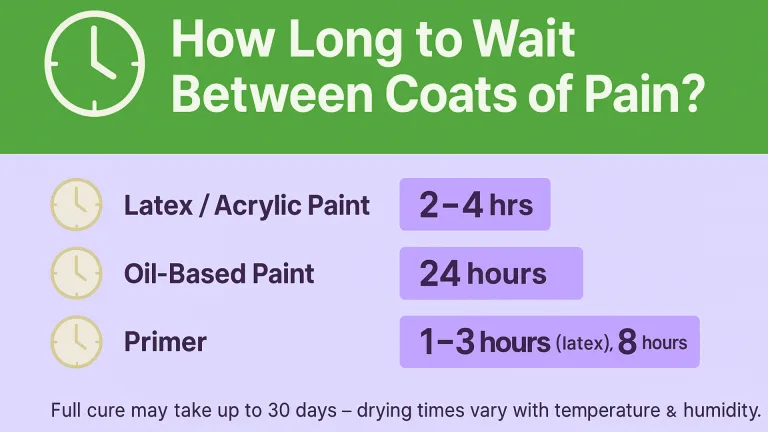
Drying time depends on the type of paint:
- Latex paint typically off-gasses for 2–3 days.
- Oil-based paints can release fumes for up to a week or more.
After-Paint Safety Tips
- Keep windows open for at least 24–48 hours after painting.
- Use air purifiers with carbon filters to speed up clearing fumes.
- Wash clothes worn while painting separately to prevent chemical residue.
- Store leftover paint in tightly sealed containers to reduce vapor release.

Conclusion – Are Paint Fumes Dangerous
Paint fumes are not something to ignore. They may seem like “just an odor,” but the chemicals behind that smell can irritate your body and cause lasting harm if you’re repeatedly exposed.
With ventilation, protective gear, low-VOC products, and a plan to keep vulnerable people safe, you can enjoy your painting project without putting your health at risk.
FAQs
How long do paint fumes stay in your system?
Most leave within hours to a day, but heavy exposures may take several days. Fresh air, water, and rest help your body clear them faster.
Do water-based paints have harmful fumes too?
Yes. They emit fewer VOCs than oil-based paints but are not completely safe. Always ventilate when painting indoors.
Is it bad to smell paint if it’s “low-VOC”?
Even low-VOC paints release some chemicals. You should still avoid prolonged exposure and ventilate the area.
Can paint fumes cause permanent damage?
Occasional exposure is unlikely to cause permanent harm. However, repeated or long-term exposure without protection may lead to respiratory or neurological issues.
When is it safe to sleep in a freshly painted room?
Most experts recommend waiting at least 24–48 hours with good ventilation. For oil-based paints, waiting up to 72 hours is safer, especially for children or sensitive individuals.