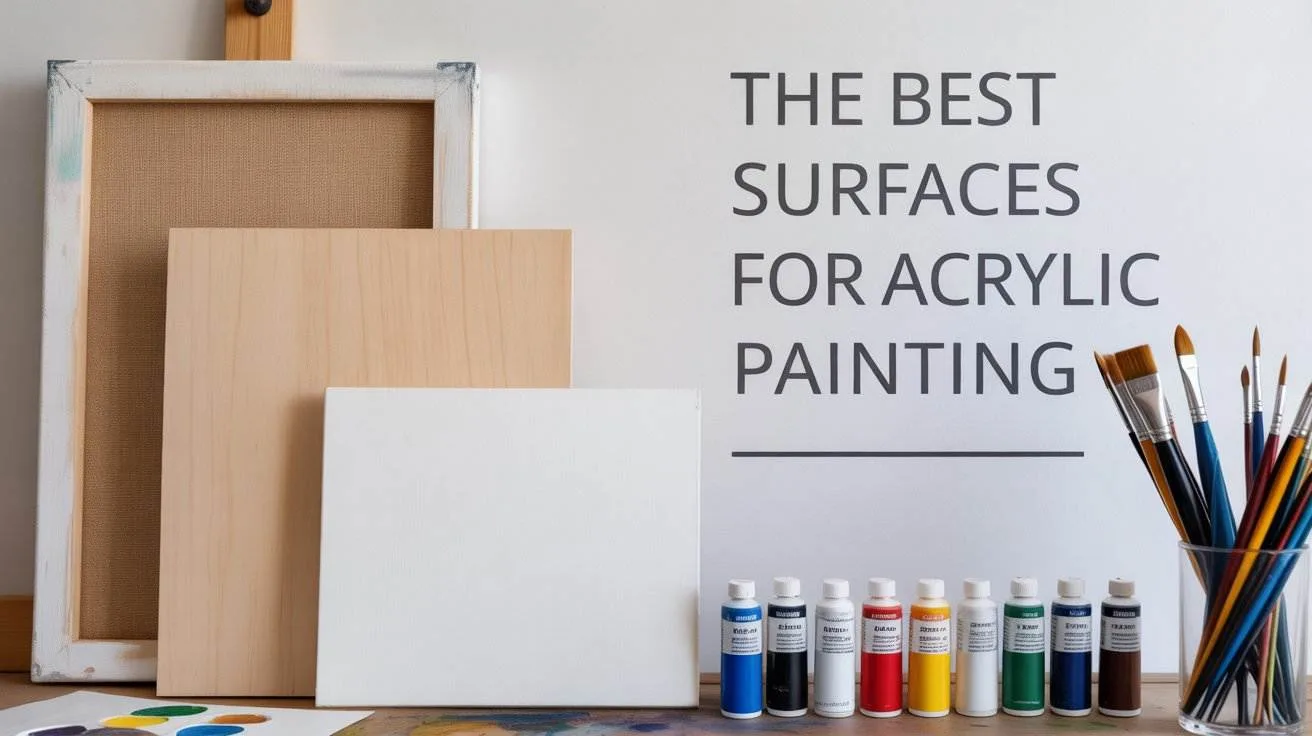
The best surfaces for acrylic painting are canvas, wood panels, and acrylic paper. Canvas gives flexibility and texture, wood adds precision and durability, and paper makes practice simple and affordable.
Here’s how each surface affects your paint — and how to choose the right one for your next project.
What Makes a Good Surface for Acrylic Paint?
Acrylic paint is flexible once dry, so it can grip almost anything — but not every surface will help it shine.
Here’s what a good acrylic surface should offer:
- Stability: It shouldn’t warp or bend as paint layers dry.
- Absorbency: Just enough to grab paint, but not so much that it dulls the color.
- Texture: Smooth for detail work, or toothy for expressive brushstrokes.
- Prep-friendly: Able to hold primer or gesso evenly.
Pro insight: Acrylic forms a thin plastic film when it dries. If the surface underneath moves or absorbs unevenly, that film can crack or peel. That’s why priming is so important — it gives the paint a uniform base to bond with.
For example, if you’ve ever had acrylic flake off furniture or walls, you’ve seen what happens when paint goes on an unsealed or dusty surface. A quick clean and primer coat could have saved that piece.

To learn how different primers affect adhesion and finish, check out our guide on how to thin acrylic paint — it explains how acrylic mediums interact with surface layers.
1. Canvas – The Classic Surface for Acrylic Painting
If you picture an artist painting, odds are you imagine a stretched canvas on an easel.
There’s a reason for that: canvas is the best surfaces for acrylic painting, and it is light, flexible, and gives just enough “bounce” under your brush to make painting feel alive.
Cotton vs Linen
- Cotton canvas (often called cotton duck) is affordable, easy to find, and forgiving for beginners.
- Linen canvas costs more, but its fine weave and strength give professionals a smoother surface and better long-term durability.
If you’re comparing how acrylics behave on different fabrics, our post on acrylic vs latex paint explains why acrylic’s flexibility makes it perfect for canvas and fabric projects.
Types of Canvas Surfaces
- Stretched Canvas: Pre-stretched over a wooden frame, ready to hang. Ideal for full paintings.
- Canvas Boards: Canvas glued to a stiff backing—great for studies or travel.
- Canvas Pads: Tear-off sheets of primed canvas paper. Handy for practice sessions or color mixing.
Each has the same texture but behaves slightly differently. Boards feel firm like wood, while stretched canvas flexes more under pressure.
Prep and Priming Tips
Even “pre-primed” canvas usually benefits from one extra coat of gesso.
It brightens the surface and prevents paint from sinking in too much, keeping your colors vivid.
Use a wide brush or roller and let it dry overnight before painting.
If you’ve ever wondered why acrylic sometimes looks dull after drying, it’s often because the surface absorbed too much binder.
A thin primer layer fixes that issue instantly.
For smoother blending, lightly sand the final gesso coat with fine paper (400 grit or higher).
And if your brushes stiffen from dried gesso, here’s a quick refresher on how to clean acrylic paint brushes the safe way.
Best For
- Abstract or textured paintings that need visible brushwork.
- Layered glazing or impasto techniques.
- Artists who enjoy that traditional stretched-canvas “give” under the brush.
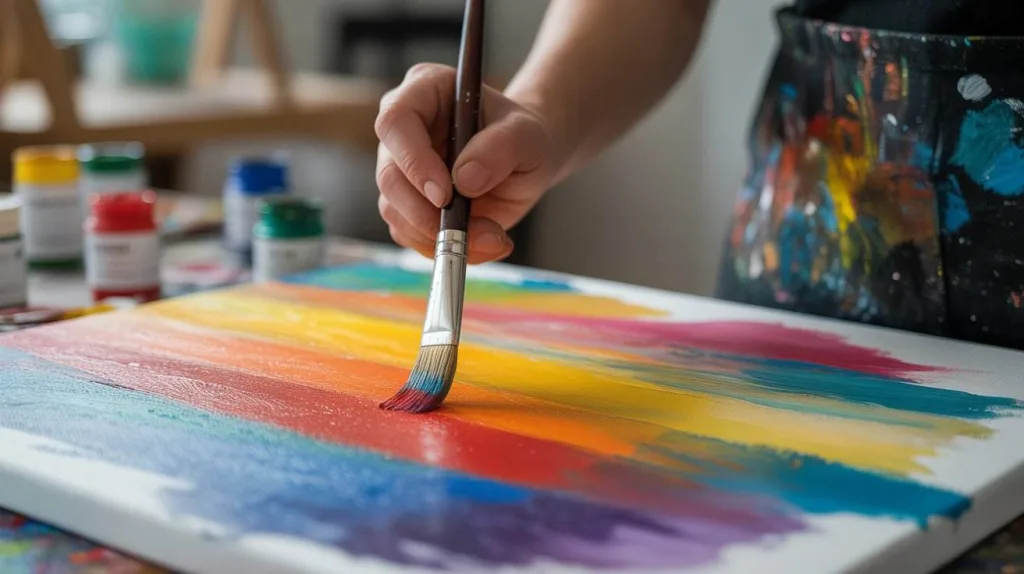
2. Wood Panels – The Smooth and Durable Alternative
If you’ve ever wanted absolute control over detail, wood panels are a dream and the best surface for acrylics, added CWorkshop, who are supplying products of the highest quality.
Unlike canvas, wood doesn’t flex — so every brushstroke stays exactly where you put it.
That stability makes it a favorite among realism painters, illustrators, and mixed-media artists.
Types of Wood Panels
- Birch Plywood: The gold standard for fine art. It’s smooth, durable, and resistant to warping.
- MDF or Hardboard: Cheaper options with an ultra-flat surface — perfect for tight, detailed work.
- Cradled Panels: Wood panels mounted on a lightweight frame that prevents bending and makes hanging easy.
If you’ve worked with pressure-treated wood or furniture before, you know that raw timber can absorb moisture and chemicals unevenly.
For home or outdoor projects, always prime and seal properly — the same logic applies when you paint on wood with acrylic.
(If you’re curious about this process, see our detailed guide on can you paint pressure treated wood for sealing and prep steps that also apply to art panels.)
Advantages of Painting on Wood
- Feels solid and reliable under the brush — no bounce.
- Ideal for fine detail, glazing, or knife techniques.
- Can handle heavy layers or texture pastes without sagging.
- Lasts decades if sealed correctly.
Acrylics naturally grip wood fibers, giving you a satisfying, even drag. The paint’s true color shows clearly because the surface doesn’t absorb much binder once primed.
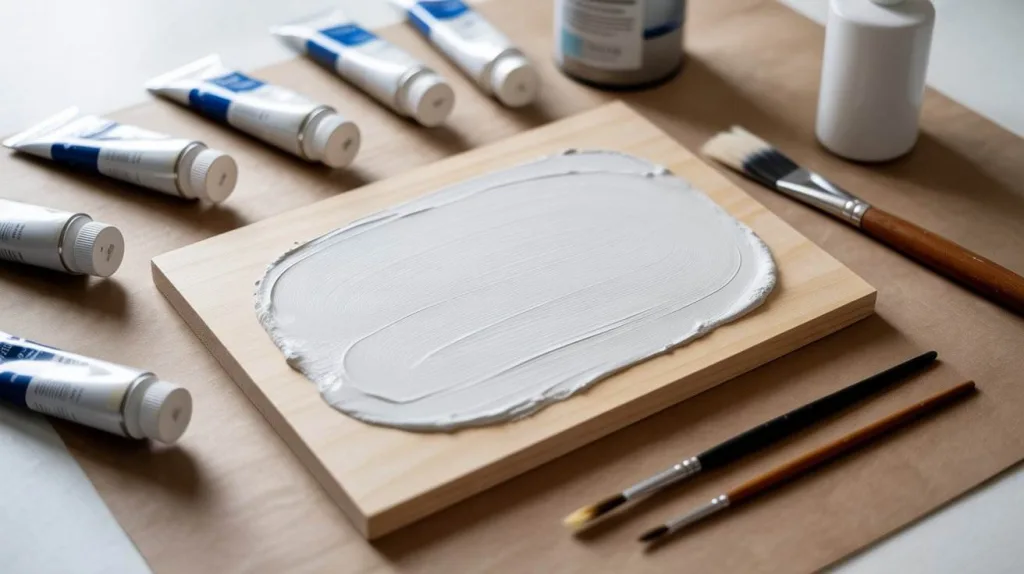
How to Prepare a Wood Panel
- Sand the surface with 150–220 grit paper until smooth.
- Seal all sides (front, back, edges) with clear acrylic medium or PVA glue. This blocks acids and moisture from the wood.
- Prime with 2–3 thin coats of acrylic gesso, sanding lightly between layers.
- Let it dry 24 hours before painting.
Pro Tip:
If your wood feels slightly rough after the first gesso coat, that’s normal — the grain raises. Light sanding fixes it.
A smooth, sealed base helps your paint glide and reduces color dulling.
You can also use acrylic varnish afterward to protect your finished painting from humidity and dust.
Best For
- Realistic or high-detail work.
- Acrylic pouring or resin top-coats.
- Mixed-media layers with texture gels or modeling paste.
- Artists who prefer solid, rigid supports over stretched fabrics.
3. Paper – The Most Affordable Way to Practice with Acrylics
If you’re just getting comfortable with acrylic paint or experimenting with color, acrylic paper is the most forgiving starting point and is considered one of the best surfaces. It’s inexpensive, portable, and takes layers surprisingly well when you choose the right weight.
Choosing the Right Acrylic Paper
Look for paper labeled “for acrylics” or at least 300 gsm (140 lb) thick. Anything thinner will buckle once paint or water hits it.
Cold-pressed paper has a light texture that grabs paint nicely, while hot-pressed paper is smoother for detail and dry-brush work.
If you only have watercolor paper on hand, that works too—just apply a coat of gesso to stop it from absorbing too much paint.
Tips to Keep Paper Flat
- Tape all four edges to a board before painting.
- Avoid soaking wet layers; acrylic doesn’t need much water.
- Once finished, let it dry completely before removing the tape.
Acrylic paper isn’t as archival as canvas or wood, but it’s unbeatable for sketches, classroom work, and quick studies.
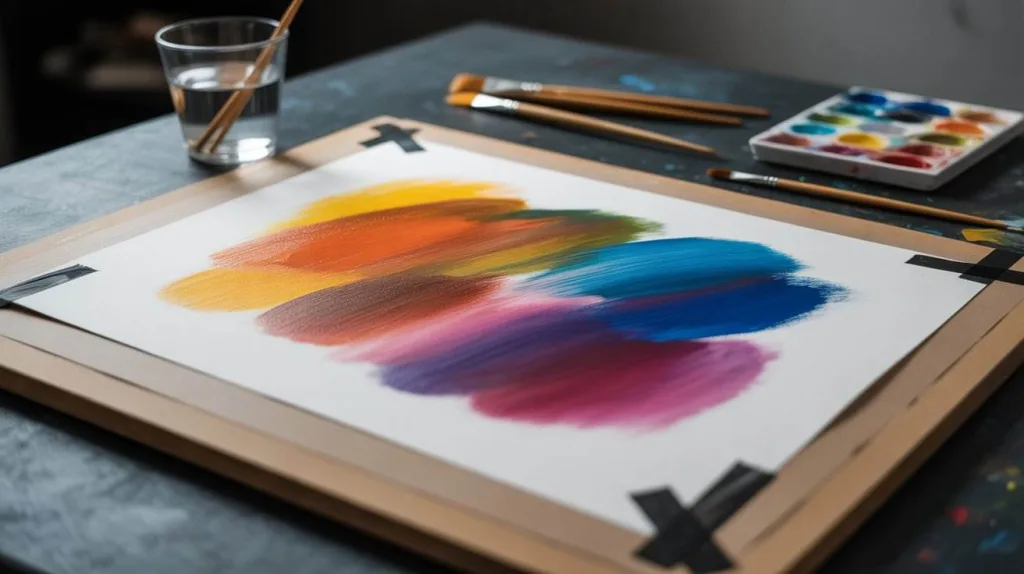
For more ideas on exploring color mixes while you practice, check out our post, what Colors Make Green? It’s a great exercise for brush control and blending.
4. Specialty Surfaces – For Creative and Experimental Artists
One of acrylic paint’s biggest strengths is its flexibility. Once dry, it clings to almost anything. That means you can push boundaries far beyond canvas or paper.
Metal Panels
Aluminum and steel give a clean, modern look. Lightly sand and degrease before priming with an adhesion primer. Paint layers will glide smoothly and look ultra-crisp.
Fabric
Cotton shirts, denim, tote bags, or upholstery fabric all work when you mix paint with a fabric medium. It keeps the finish soft and washable once heat-set with an iron.
Glass and Ceramic
These glossy surfaces need an adhesion primer to keep paint from peeling. They’re great for small décor projects like jars, vases, or tile art.
Stone, Slate, or Leather
These add beautiful natural textures. Wipe off dust, prime with acrylic gesso, and seal the finished work to prevent moisture damage.
Recycled & Found Materials
Old book pages, cardboard, or driftwood can make striking backgrounds for mixed-media work. Just prime them so the paint doesn’t sink into the fibers.
Try This:
If you like upcycling, experiment with small panels first. Once you know how each surface reacts, you’ll gain confidence for larger pieces.

5. Comparing the Best Surfaces for Acrylic Painting
Here’s a quick side-by-side view so you can match your painting goals to the right surface:
| Surface | Cost (Approx.) | Durability | Texture | Prep Needed | Best For |
|---|---|---|---|---|---|
| Canvas | $10–$40 | Medium | Textured | Light | All-purpose, expressive brushwork |
| Wood Panel | $20–$60 | High | Smooth | High | Realism, detail, mixed media |
| Acrylic Paper | $8–$25 | Moderate | Smooth / Textured | Minimal | Practice, studies, travel |
| Metal | $30–$80 | Very High | Ultra-smooth | High | Modern styles, crisp designs |
| Fabric | $10–$30 | Medium | Soft | Medium | Wearable art, crafts |
| Glass / Ceramic / Stone | $15–$50 | High | Slick / Natural | High | Décor, small-scale art |
Every surface has its own character. Canvas offers tradition and texture. Wood feels solid and grounded. Paper lets you explore ideas without pressure. And experimental surfaces—like metal or fabric—turn ordinary materials into creative playgrounds.
How to Choose the Right Surface for Your Painting Style
Think about what kind of painter you are:
- Beginner or Student: Start with acrylic paper or canvas pads. Affordable, easy to store, and low-stress.
- Detail Lover: Choose smooth wood panels or MDF for precise control.
- DIY & Craft Artist: Try fabric or ceramic with the right primer or medium.
- Textured Abstract Artist: Stick to cotton or linen canvas—it holds brushstrokes beautifully.
- Mixed Media / Experimental: Use hardboard, metal, or even recycled materials for layered projects.
If you’re still experimenting with textures, it might help to review how paint behaves differently across finishes—our guide on what is paint opacity or transparency explains why some surfaces make colors appear richer or softer.
Preparing Any Surface for Acrylics
No matter what surface you paint on, good prep makes all the difference. Here’s a simple process that keeps your paint from peeling or cracking:
- Clean the surface to remove dust, oil, or fingerprints.
- Sand lightly if it’s glossy or rough so the primer sticks better.
- Seal porous materials like wood or cardboard with clear acrylic medium or PVA glue.
- Prime with two thin coats of gesso and let each coat dry completely.
- Check the surface — it should feel smooth and even before painting.
Good preparation keeps your colors bright and prevents discoloration, especially on wood or paper.
Final Thoughts: Experiment, Prepare, Protect
Acrylics are one of the most adaptable paints you can use — they’ll bond to almost anything if the surface is prepared correctly. Start with what fits your goal: canvas for classic texture and flexibility, wood panels for precision and control, paper for easy practice, and metal or glass when you want something bold and modern.
Whatever you choose, make sure to clean, seal, and prime your surface first. A good foundation helps your colors stay bright and prevents peeling or cracking over time. For extra protection, read our guide on Is Acrylic Paint Waterproof? to learn how to properly seal your finished artwork.
If you plan to work on furniture or outdoor projects, you’ll also find our article Can Acrylic Paint Be Used on Wood? helpful — it covers sealing, priming, and durability tips for wood surfaces.
With the right prep and surface, your acrylic paintings will not only look great but last for years.
FAQs
1. What is the best surface for acrylic painting overall?
Canvas is the most balanced surface for acrylics. It’s lightweight, absorbent, and easy to prime, making it ideal for beginners and professionals alike. You can also explore wood panels if you prefer a smoother base or need extra durability.
2. Can acrylic paint be used on any surface?
Almost any clean, non-greasy surface works if it’s properly sealed and primed. Acrylic adheres to canvas, wood, paper, metal, fabric, and even glass once prepared with the right primer.
3. What surfaces will acrylic paint not stick to?
Acrylic struggles to bond with oily, waxy, or very slick materials such as unprimed plastic, silicone, or waxed leather. Sanding or applying an adhesion primer solves most of these issues.
4. Do I need to prime wood before painting with acrylics?
Yes. Bare wood absorbs moisture unevenly, which can cause paint cracking or dull color. Always seal with PVA or acrylic medium, then apply 2–3 thin coats of gesso. Our full guide on painting pressure-treated wood explains how sealing prevents absorption problems.
5. What is the best paper for acrylic paint?
Heavy acrylic paper, at least 300 gsm (140 lb), is best. It resists buckling and holds paint layers well. You can also use watercolor paper if you apply one coat of gesso first.
6. Can I use acrylic paint on wood furniture or tables?
Yes — acrylic adheres beautifully to wood furniture when properly prepped. Sand lightly, apply primer, and finish with a clear protective varnish. For step-by-step prep advice, see can acrylic paint be used on wood.
7. How do you prepare any surface for acrylic painting?
Clean it, lightly sand if glossy, then prime with acrylic gesso. This evens out absorption and helps colors stay bright. Learn more about how priming affects paint flow in our guide on how to thin acrylic paint.
8. What is the smoothest surface for acrylics?
MDF and birch wood panels give the smoothest finish. They’re ideal for detailed work or realism, where brush texture should stay invisible.
9. Can beginners use acrylic paint on paper?
Definitely. Acrylic paper is inexpensive and forgiving, perfect for learning color mixing or layering techniques. If you want to practice blending neutrals, try the exercises in what colors make gray.
10. Can I paint on fabric or clothing with acrylics?
Yes, mix your paint with a fabric medium so it stays flexible and machine-safe. Once dry, heat-set it with an iron to make it permanent.
11. How do you seal acrylic paint on different surfaces?
Use a clear acrylic varnish or polyurethane once your painting is completely dry. Matte, satin, and gloss finishes all work — choose based on your desired look. Our article on is acrylic paint waterproof explains how sealing protects against moisture.
12. What is the best economical surface for acrylic painting practice?
Acrylic paper or primed cardboard sheets are budget-friendly choices. They mimic the feel of canvas without the cost and are great for testing color combinations or quick studies.