
The Reality of Property Investment: Costs Every Owner Should Know
Property investment sounds simple on paper. You buy a home, collect rent from tenants, and watch the asset grow in value over time. Real life brings a few surprises when the real bills start landing in your inbox.
Many people enter the market focusing solely on the purchase price and potential capital gains. Long-term success requires a clear view of the ongoing operational expenses that eat into your monthly profits.

Ongoing Maintenance Expenses
Every building wears down over time, meaning repairs are inevitable. Roofs leak, water heaters break, and plumbing systems wear out unexpectedly. Setting aside 1% of the property value annually covers routine upkeep and sudden repairs before they become worse.
Fixing small issues right away keeps your asset in great condition. Neglecting basic care leads to massive contractor bills and tenant complaints. Budgeting for maintenance every single month protects your overall profit margin.
Financing and Interest Rate Changes
Mortgage repayments form the largest portion of your monthly cash outlay. Interest rates move up and down, directly impacting your cash flow and net returns.
Evaluating standard asset classes like shares or property investment helps build a balanced wealth strategy before committing all your capital to real estate. Financial markets shift constantly, making flexibility a valuable asset for any investor. High debt levels turn small market shifts into big money problems.
The Real Cost of Vacancies
Empty properties generate zero rental income, but your monthly mortgage payments remain due. Gaps between tenants happen to every landlord during lease transitions or property upgrades. Planning for these empty periods stops your personal finances from taking a heavy hit.
Smart investors maintain a reserve account with 3 to 6 months of expenses ready. This buffer handles mortgage payments, utility bills, and basic upkeep while searching for new renters. A solid cash cushion turns a stressful vacancy into a manageable routine event.
Property Management Fees
Managing a rental property yourself takes significant time and energy. Hiring a professional manager saves daily stress, but it adds another line item to your balance sheet. Their ongoing service fees typically absorb about 10% of your collected monthly rent.
- Marketing the home to potential renters
- Vetting tenant applications and background checks
- Coordinating repairs with trusted contractors
- Handling routine property inspections throughout the year
Professional management keeps operations running smoothly without consuming your weekend hours. These experts handle tenant calls and lease paperwork so you do not have to. The convenience cost is worthwhile for owners with full schedules or distant properties.
Insurance Coverage Requirements
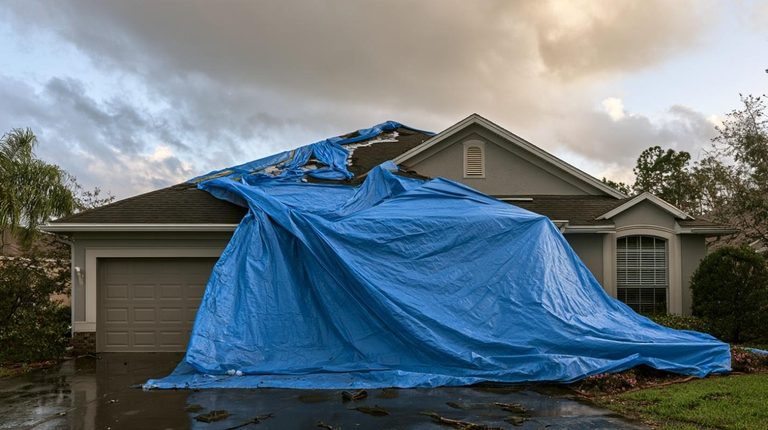
Standard homeowner policies do not protect buildings used for commercial tenant rentals. Landlord insurance covers structural damage, liability claims, and lost income while making repairs. Roof damage claims jumped 34% recently, which shows how fast unexpected repair bills add up from severe weather.
Sufficient insurance keeps a single accident from destroying your long-term financial plan. Policy premiums vary based on location, building age, and coverage limits. Paying for proper protection provides peace of mind when bad weather hits.
Local Council Rates and Taxes
Local government taxes represent a major fixed cost for real estate owners. Municipalities adjust rates based on local council budgets, town upgrades, and shifting property valuations. Understanding these tax obligations prevents uncomfortable surprises during annual assessment cycles.
These municipal fees must sit inside your original financial projections. Local rates rise over time, directly affecting your net cash flow. Factor expected tax hikes into your yearly budget to keep profits on track.
Rising Operational Inflation
General inflation impacts everything from simple hardware supplies to skilled labor rates. As basic operational costs climb, landlord profit margins face steady pressure across the board.
- Higher prices for replacement appliances and plumbing materials
- Increased service fees from certified electricians and contractors
- Rising utility costs for shared building spaces and common areas
Rising expenses force changes across the entire rental housing sector. Higher overall costs caused 63% of landlords to raise their rent prices recently. Tracking these micro shifts allows you to adjust rental prices fairly while keeping pace with market reality of property investment.
Capital Improvement Reserves
Routine repairs fix what breaks today, but capital improvements keep your asset competitive. Upgrading old kitchens, replacing worn carpets, and installing efficient windows costs real money. Setting aside funds for large-scale renovations every decade protects the base value of your real estate.
Fresh, modern living space attracts reliable tenants who pay top rent consistently. Neglected properties end up charging lower rates and attracting difficult renters. Capital upgrades keep your building appealing in a competitive rental market.

Successful real estate ownership relies on honest financial planning rather than best-case scenarios. Accounting for hidden expenses, maintenance funds, and economic shifts turns an unpredictable building into a reliable wealth-building tool. Understanding the true numbers upfront puts you in full control of your financial future.