
How to Design and Build a Victorian House Using a Free AI Chatbot
Key Takeaways
- Planning a historical home requires precise visualization before any physical construction or painting begins.
- Utilizing artificial intelligence allows homeowners to iterate rapidly through complex architectural concepts without expensive initial architectural fees.
- Choosing the right exterior color palette is critical for historical accuracy and can be tested digitally to avoid costly repainting.
- A seamless transition from the outside architecture to the inside spaces ensures the property feels cohesive and well-planned.
- Modern digital platforms provide a flow state that connects raw inspiration directly to actionable building and decorating plans.

Visualizing Your Victorian Dream
The allure of a historical home is undeniable. The intricate details, the sweeping porches, and the steeply pitched roofs create a sense of character that modern minimalist boxes often lack. However, deciding to build or heavily renovate a property in this historical manner is a massive undertaking.
The sheer number of design decisions regarding trim, siding, windows, and paint can easily overwhelm even the most enthusiastic homeowner. Traditionally, visualizing these complex elements required hiring a specialized architect to draft multiple expensive renderings. If you wanted to change a single color or the shape of a window, you had to pay for a new revision and wait weeks for the result.
Today, technology has completely transformed this workflow. You no longer need to rely solely on expensive traditional drafting to see your ideas come to life. By leveraging an AI for house exterior design, you can generate highly realistic images of your future home in seconds. This allows you to experiment with different sidings, roof lines, and intricate gingerbread trims using simple text commands.
It bridges the gap between your imagination and a visual concept you can actually share with contractors. Placing this technology at the very beginning of your project ensures that you make confident decisions long before the first piece of lumber is cut or the first gallon of paint is purchased.
Defining the Core Elements of the Era
Before you start typing commands into a digital tool, you need to understand what makes this architecture unique. The term itself does not describe a single specific type of house but rather an era of history that encompasses several distinct architectural movements. To get the best results from your digital assistant, you must use precise language.
The Queen Anne is perhaps the most famous variation. It features asymmetrical facades, dominant front-facing gables, overhanging eaves, and round or square towers. If you want this classic look, your text prompts should specify these exact features.
Alternatively, the Gothic Revival leans heavily into steeply pitched roofs, pointed windows that look like they belong on a church, and delicate wooden trim along the rooflines. The Folk variation is much simpler, often featuring a symmetrical, rectangular shape but adorned with mass-produced decorative trim on the porches and rooflines.
Understanding the specific victorian design style you want to achieve is the foundation of your project. When you tell a smart digital assistant exactly what architectural sub-style you prefer, the resulting images will be far more accurate and historically grounded. You are teaching the system your specific aesthetic preferences, which saves time and reduces frustration during the planning phase.
How to Guide Your AI Chatbot for Historical Accuracy
Communicating with an artificial intelligence requires a specific approach. You cannot simply ask for a nice old house and expect a workable blueprint. You need to provide context, constraints, and specific details. This is where specialized platforms excel compared to generic image generators.
For a project of this magnitude, you want a tool that understands architectural nuances. This is where Paintit.ai becomes an invaluable resource. The platform is designed to maintain a continuous flow state. This means you do not have to start from scratch every time you want to make a small change. You can upload a basic sketch or a photo of an existing property and ask the system to modify specific elements.
For example, your initial prompt might be: “Generate a realistic exterior view of a two-story Queen Anne house with a wrap-around porch, fish-scale shingles on the upper half, and a round corner turret.” Once the system provides the image, you can use targeted refinements. You might select the porch area and type: “Change the porch railing to turned wood spindles and add hanging ferns.”
The ability to iterate in real-time is crucial. It mimics the empathetic, back-and-forth relationship you would have with a human designer, but at a fraction of the cost and time. You can test fifty different variations of a gable ornament in an hour, entirely eliminating the guesswork from the exterior planning process.
Perfecting the Historical Color Palette
One of the most challenging aspects of these homes is the paint job. Unlike modern farmhouse styles that rely on stark white with black trim, historical homes from this era are famous for their polychromatic color schemes. The iconic “Painted Ladies” of San Francisco are perfect examples of how color is used to highlight architectural details.
A proper exterior requires at least three colors: a body color for the main walls, a trim color for the window frames and rooflines, and an accent color for doors, window sashes, and special decorative elements. Sometimes, up to five or six colors are used to truly make the details pop.
Choosing these colors by looking at tiny paper swatches at the hardware store is a recipe for disaster. Colors look drastically different when applied to a large surface under natural sunlight. Using a smart visualizer allows you to test historical palettes digitally. You can ask the system to apply a deep olive green for the body, a rich mustard yellow for the trim, and a dark burgundy for the accents.
Testing these combinations on a highly detailed digital model prevents expensive mistakes. Paint contractors will charge thousands of dollars to repaint a complex facade if you decide you hate the color after it goes on. By finalizing the exact shades digitally, you provide your painters with a clear, unambiguous visual reference. This ensures the final result matches your vision perfectly.
Bridging the Exterior Architecture to the Inside Spaces
A common mistake homeowners make is designing a stunning historical exterior but ignoring the inside, resulting in a jarring experience when you walk through the front door. The architecture should inform the interior spaces. However, living in a museum is not practical for most modern families. The goal is to balance historical charm with contemporary comfort.
When planning your layout, you can use your digital assistant to conceptualize the inside just as effectively as the outside. You can start by exploring traditional victorian interior design. This typically involves rich, dark woods, heavy drapery, ornate fireplaces, and distinct, separate rooms rather than open floor plans. You can prompt the system to show you how a formal parlor would look with intricate ceiling medallions, crown molding, and historically accurate wallpaper patterns.
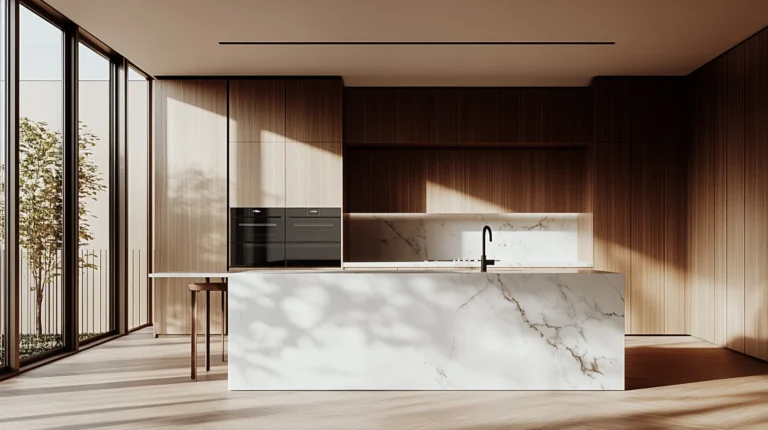
However, many people prefer a lighter approach. This is where modern victorian interior design becomes highly relevant. This approach takes the best architectural bones of the era, such as high ceilings, large bay windows, and detailed moldings, but updates the space with contemporary furniture, lighter paint colors, and modern lighting fixtures. You can ask your platform to visualize a living room with original dark wood wainscoting but furnish it with sleek, mid-century modern sofas and abstract art.
Because advanced platforms can recommend real furniture pieces that match the visual style you create, you transition smoothly from dreaming to shopping. You are not just looking at a pretty picture; you are looking at an actionable decorating plan.
Connecting Concept to Construction
Having a beautiful set of AI-generated images is thrilling, but those images must eventually translate into real-world building materials. The transition from a digital concept to a physical construction site requires clear communication with your contractors. Builders, roofers, and exterior painters need exact specifications.
While an AI chatbot will not produce stamped engineering blueprints, it provides the ultimate visual brief. When you approach a licensed architect or a design-build firm with a highly detailed, photorealistic concept, you skip the expensive preliminary design phase. You are no longer paying an expert to guess what you want; you are paying them to figure out the structural math to build what you already know you want.
| Planning Phase | Traditional Approach | Digital AI Approach |
| Initial Concept | Weeks of waiting for sketches | Instant generation of multiple styles |
| Exterior Revisions | Expensive hourly architect fees | Free prompt-based iteration |
| Color Selection | Buying and testing physical paint samples | Digital application of polychromatic palettes |
| Contractor Briefing | Vague descriptions leading to misunderstandings | Crystal clear photorealistic references |
This level of pre-planning is the most effective way to control a renovation or building budget. Every decision you make on a screen is a decision you do not have to pay to change on the construction site.
Summary
Embarking on the journey to create a historically inspired home no longer requires limitless budgets or endless patience. By embracing modern digital tools, you can take complete control of the creative process.
From defining the exact slope of a Queen Anne roof to selecting the perfect shade of burgundy for your window trim, artificial intelligence empowers you to iterate quickly and confidently. It allows you to seamlessly blend the complex exterior architecture with an interior that fits your modern lifestyle. Ultimately, this technology ensures that the home you build perfectly matches the dream you started with.