How to Make Your Home Safer and More Efficient This Year
Creating a living space that prioritizes both security and energy conservation is a primary goal for many homeowners. Investing in these areas not only protects your family but also lowers monthly utility expenses significantly over time.
Modern technology and improved maintenance habits make these upgrades more accessible than ever before. Let us explore the practical steps you can take to transform your residence into a safer, more efficient sanctuary.
Strengthening Your Roof And Integrity
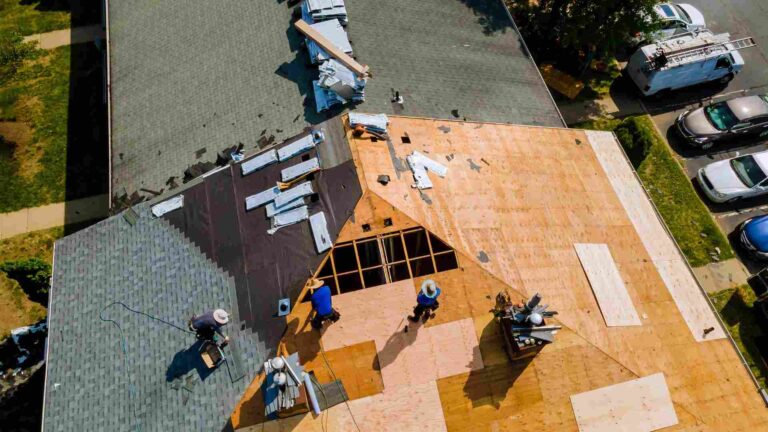
A home is only as strong as its foundation and roofing. Regular inspections help identify vulnerabilities before they turn into costly repairs. Experts recommend checking for missing shingles, cracked tiles, or signs of water intrusion to protect the home’s interior from environmental damage.
When considering renovations, it is vital to focus on the roofing system as a whole. Homeowners must ensure that the structural layer remains sound, as it protects everything underneath it from the elements. Ignoring these details can compromise the safety and energy efficiency of the entire building.
Professional roofers should evaluate your ventilation and moisture barriers to prevent long-term decay. Proper maintenance here prevents rot and costly water damage. Maintaining a robust roof is the essential first step in ensuring your home remains secure and dry throughout the changing seasons.
Maximizing Energy-Efficient Lighting
Switching to modern lighting solutions is one of the easiest ways to improve home efficiency. Old incandescent bulbs waste a significant amount of electricity as heat rather than illumination. Replacing these outdated fixtures leads to immediate reductions in your energy bills and improves the quality of your home’s ambient light.
LED technology has advanced rapidly, offering warmer color temperatures and dimming capabilities that were previously unavailable. These bulbs consume significantly less power while lasting years longer than traditional options. Adopting them is a low-effort upgrade that yields high returns for your household budget.
Motion sensors or smart bulbs offer additional control over consumption. You can schedule lights to turn off when a room is unoccupied or when daylight is sufficient. Implementing these small changes contributes to a greener household without sacrificing convenience or aesthetic appeal for your family.
Optimizing Smart Thermostat Usage
Heating and cooling systems account for the largest portion of domestic energy use. Installing a smart thermostat allows homeowners to create personalized schedules that align with daily routines, such as turning down the heat when everyone is at work or school. It eliminates the need to run the HVAC system unnecessarily when no one is home.
It is estimated that a smart thermostat can save you 10% each year on energy costs. This simple installation provides precise control over indoor temperatures. Consistent monitoring of these settings leads to substantial long-term savings and increased comfort.
Many modern models also track energy usage patterns, alerting you when it is time for maintenance or filter changes. Efficiently managing your climate control reduces unnecessary wear and tear on your expensive equipment.
Enhancing Home Insulation
Proper insulation serves as the thermal barrier that keeps your home cozy in winter and cool in summer. If your house feels drafty or fluctuates in temperature, the insulation may be inadequate or damaged. Upgrading attic, floor, or wall insulation significantly lowers the demand on your mechanical heating and cooling systems.
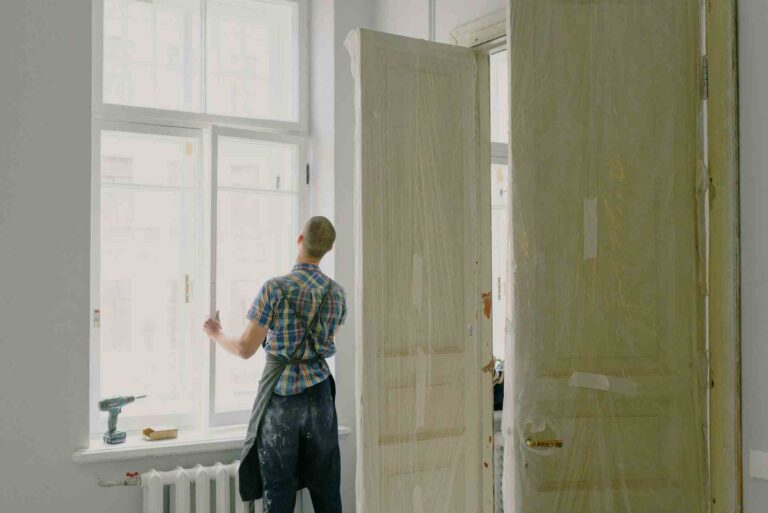
Sealing gaps around windows and doors prevents conditioned air from escaping, which is a common source of energy loss. Use high-quality weatherstripping or caulk to fill those small cracks that waste energy. These seemingly minor leaks have a cumulative, negative effect on your utility bills and overall indoor comfort.
Focusing on the building envelope ensures that your climate control efforts are not in vain. A well-sealed home requires less power to maintain steady, comfortable temperatures regardless of the weather outside. Investing in quality materials provides a stable living environment that persists throughout the hottest and coldest months.
Upgrading Home Security Features
Security should be a top priority for any responsible homeowner looking to protect their assets. Assessing your current measures involves looking at locks, window latches, and entry points. Upgrading to high-security deadbolts or smart locks adds a necessary, robust layer of protection against unauthorized access.
Modern security systems include cameras, alarms, and motion sensors that connect directly to your smartphone. Alerts provide peace of mind by notifying you of suspicious activity in real-time, no matter where you are. These systems serve as both a reliable deterrent and a monitoring tool for your property.
Integrating exterior lighting with security measures creates a comprehensive protective net around your home. Motion-activated floodlights can startle intruders and illuminate dark corners of your yard where people might hide. Combining these physical and technological solutions builds a strong defensive plan for your family and belongings.
Reducing Water Heating Costs
Water heating is often an overlooked aspect of household efficiency. Lowering the temperature on your water heater to 120 degrees Fahrenheit provides sufficient heat for daily tasks while preventing scalding and reducing energy consumption. It also slows mineral buildup in the tank, extending the overall life of the appliance.
Insulating the water heater tank and exposed hot water pipes further minimizes standby heat loss. Wrapped heaters maintain their internal temperature much longer, meaning they cycle on less frequently to reheat water. These small adjustments are simple to perform but offer consistent results over time.
Low-flow showerheads and faucet aerators are another effective way to conserve both water and energy. Reducing the volume of hot water used means your heater works less often to replenish supplies. These fixtures are inexpensive to install and make a noticeable, positive difference in your monthly utility consumption.
Improving your home requires a combination of smart technology, structural maintenance, and thoughtful daily habits. Focusing on these areas will result in a residence that is both safe and cost-effective for years to come.
Implementing these changes provides long-term value and peace of mind. By starting with one area today, you can begin your journey toward a more efficient and secure living space for your family.