How to Choose Exterior Paint That Survives Southern Humidity
Have you ever noticed a fresh coat of paint peeling off a house within only one or two years after it’s been applied? If you did, your first thought might be that the paint quality wasn’t good enough or that a few additional coats could have helped. The reason for this issue is usually the humidity in the area, especially in the South, where sudden rain is frequent, the air is thick, and sunlight is intense.
If you want to prevent your beautiful exterior paint from fading, peeling, cracking, or developing mold, it is extremely important to consider a few factors that will help it survive heavy southern humidity. When you know what to look for, you can prevent blistering, cracking, and mildew, which are extremely inconvenient issues you will surely want to avoid.
Quality Over The Price
Looking for cheaper options may be tempting, but in these scenarios, the quality of the paint needs to be above everything else. Mold is a quiet enemy that unnoticeably sneaks in between your walls and can actually be the cause of many inconveniences. It is also extremely harmful to our health, which is probably the main reason why you should carefully make a choice.
The quality of the paint is not just a marketing trick. In southern areas, it is a requirement. A quality paint for humid climates usually contains additives that make it harder for mold to grow on the painted surface. So, make sure to look for paints labeled as “mold-resistant” when choosing.
A Color You Choose Matters
Even though in most cases people choose an exterior paint color based on their preferences, in the South, this factor needs to be decided while thinking of a climate. In these areas, unfortunately, function is more important than appearance.
It is common knowledge that, for example, during the summer, we need to avoid wearing darker shades of clothes, as it absorbs sunlight, and wear bright colors instead.
Well, the same rule applies in this case. Lighter colors are the best choice for buildings that are exposed to direct sunlight. However, it does not mean that you cannot use dark shades at all. \
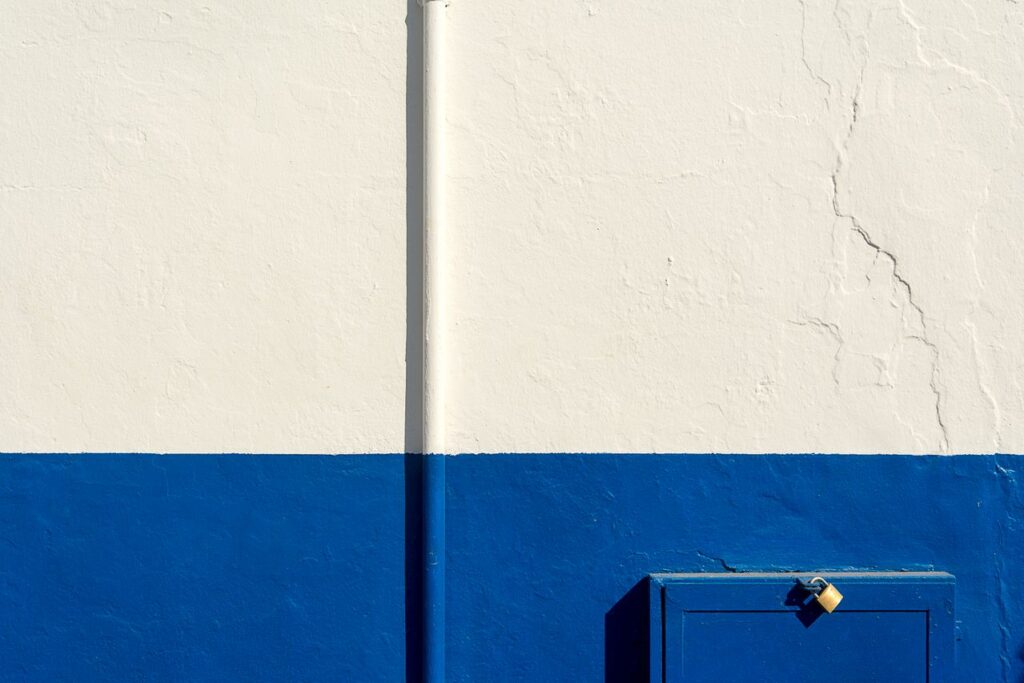
It is a little risky, but you can still paint your house dark blue, emerald green, or any other preferred shade – only if you make sure to apply it in the proper place and the paint is formulated for strong sun exposure.
Mild Resistance and UV Protection Are a Must
We have already mentioned that choosing mild resistance paint is important, but it is good to know that it needs to come hand in hand with UV protection. Make sure to choose paint that has both factors and not just one. If any of these “protections” are omitted in the southern area, you will only do just a half of the job.
When purchasing, make sure to carefully read the labels and consult with the paint specialist. The good news is that nowadays a standard for most quality paints is having mold resistance and UV protection included, so it shouldn’t be complicated to follow up with this step.
Proper Surface Preparation Is Necessary
Proper surface preparation is a step most people overlook, and it is the most common cause of peeling and cracking. Even a premium paint won’t last for a long time if this step isn’t done properly. Before you apply exterior paint, you need to make sure the surface is completely cleaned of dirt, chalky residue, or moisture.
Fill in the cracks, sand down any old peeling, and apply a high-quality primer before you begin with the main procedure. Any area that shows existing mildew growth should be treated with cleaning solutions formulated to kill spores. Avoid painting over damp wood at all costs. This is the most effective way for mold to get trapped and expand all over your walls.
How To Know When It’s Time To Refresh The Paint Of Your Exterior Walls
- Bubbling or blistering patches, especially on sides facing prevailing rain and sun.
- Soft or spongy spots on wood siding. This is a warning sign of moisture damage beneath the surface.
- Faded color on sun-facing walls.
- Chalky residue that stays on your hand after touching the wall. This often means that the UV protection has broken down.
- Dark or greenish speckling
- Tiny cracks in the wall that resemble fish or alligator skin are a sign that the paint coat has lost its flexibility.
Choosing The Right Primer
- Make sure to match the primer to the surface material. Every material needs a different formulation to bond properly.
- Going for an oil-based or shellac primer is always a good choice.
- Make sure to pick a stain-blocking primer for surfaces with water stains, tannin bleed, or old mildew marks.
- Not only should your paint be mildew-resistant. Your primer should be too.
- Make sure to check if the surface expands and contracts with temperature changes.
Paint Finish – Another Important Factor
Paint finish is another factor that affects the appearance and the performance. Satin and semi-gloss are popular choices as they shed water more effectively than flat paint because of their smoother and less porous surface. Flat finishes may look more visually appealing and elegant, but they are not an ideal choice for southern humidity.
These finishes tend to hold onto moisture and grime much longer compared to satin and semi-gloss, so if you don’t want to speed up the wear and tear process, make sure to avoid them at all costs. High-gloss finishes are very easy to wash but are more likely to highlight the imperfections of the surface, especially when it’s exposed to direct sunlight.
The right choice of exterior paint may not erase all the challenges that southern humidity can bring, but it can significantly lower the chances of them occurring. When you think about all the factors such as quality of paint, proper preparation, protection, and the conditions under which the painting is performed, you will end up having exterior walls that not only look good but also perform well. Once you have fulfilled all the steps properly, you will visibly notice how the comfort of your home improves, both from the inside and the outside.