

Planning A Home Flip? Here’s How To Manage Renovation Waste
Planning a home flip requires tight timelines, sharp budgeting, and quick decision-making. Debris piles up fast when knockouts, tear-outs, and structural changes begin. Staying ahead of the waste pile keeps your work area orderly and safe.
Managing project waste keeps job sites clean, safe, and efficient. Proper disposal plans save money on labor and keep projects moving on schedule. Having clear junk removal strategies in place prevents costly slowdowns.

Setting Up Your Renovation Strategy Early
Every successful house flip starts with a clean job site workflow. When setting up a heavy cleanup plan, the team from a Denton construction dumpster rental company says that heavy containers keep project tracks moving without dangerous clutter. Clear waste pathways protect workers from tripping over stray nails and drywall scraps.
Organizing your cleanout schedule keeps labor crews focused on building rather than shifting trash. Staging distinct drop zones prevents early project stalls. Arranging drop-off spaces early avoids blocking driveway access for delivery trucks. Assigning team members specific cleanout duties at the end of each day maintains high productivity.
Sorting Through Demolition Materials On Site
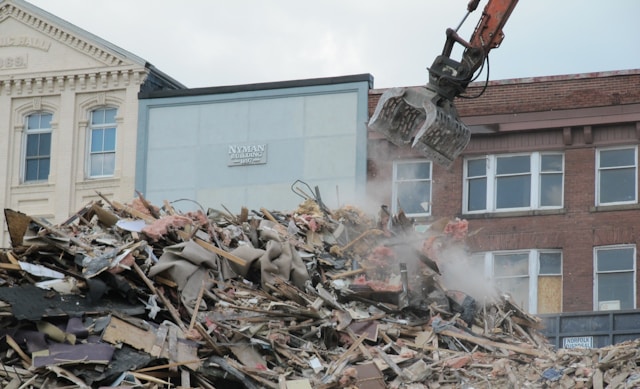
Demolition projects produce tons of mixed debris in just a few days. Official state environmental reports show wood waste represents the largest portion of material generated during building tear-outs. Separating reusable lumber from rotted framing saves landfill space and lowers dump fees.
Setting aside clean timber allows local recyclers to process structural pieces into mulch or engineered boards. Stacking clean lumber away from mixed trash keeps total disposal expenses down. Salvaging original hardwood planks can provide extra materials for future repair tasks. Local craftspeople often purchase reclaimed beams directly from job sites.
Keeping Hazardous Products Clear Of Living Areas
Old homes often contain hidden chemical hazards like vintage paints, strippers, and solvents. University health studies highlight that over 90 percent of poisonings take place inside residential properties. Storing toxic items safely prevents severe chemical exposure risks during tear-downs.
Crew members must separate toxic products from standard trash bins. Certain household chemical items need special drop-off arrangements:
- Vintage oil paints and chemical thinners
- Unmarked solvent cans found in garage corners
- Corroded battery packs and chemical strippers
Proper hazardous containment shields workers from toxic vapors. Safe chemical handling prevents unexpected project delays. Keeping toxic waste off the main pile prevents expensive municipal cleanup fines. Storing liquids in sealed containers protects subflooring from accidental spills.
Planning Minimisation Steps With Contractors
Contractors play a big role in controlling debris output from day 1. Government housing guidelines note that waste reduction strategies must be agreed upon during initial design stages and followed by everyone working on site. Clear team rules prevent unnecessary material orders and costly excess scrap.
Talking through cut sheets with carpenters minimizes offcut waste before work starts. Detailed ordering prevents piles of unused drywall from cluttering workspace floors. Measuring twice before trimming lumber preserves stock and reduces container visits. Setting up designated scrap bins encourages quick reuse of smaller wood pieces.
Choosing The Right Disposal Container Size
Estimating total trash volume prevents mid-project surprises. Choosing 20-yard or 30-yard roll-off bins accommodates large structural tear-outs without overflowing. Overfilled bins create road hazards and incur heavy weight penalties from local haulers. Ordering the correct container upfront avoids secondary delivery fees later.
Grouping items by material density helps optimize container space. Heavy masonry like concrete blocks should sit on the bottom floor of the bin. Flat materials like old plywood sheets pack down best when laid flat along the container walls. Breaking down bulky cabinetry before throwing it inside frees up room for lighter debris.
Budgeting For Heavy Debris Removal Costs
Tipping fees and weight restrictions impact total property flip margins. Factoring bin rentals into early renovation calculations prevents budget overruns near completion. Smart investors track weight limits closely to avoid $100 penalty fees. Knowing local landfill weight limits keeps project costs predictable.
Comparing local rental rates guarantees clear pricing before demolition crews arrive. Proper financial tracking keeps profit margins high across every flip phase. Scheduling timely haulaways prevents rental extension fees on long projects. Reserving equipment early locks in competitive pricing for busy summer months.
Recycling Options For Salvaged Home Fixtures
Not all demolition items belong in a landfill bin. Copper pipes, brass fittings, and cast iron tubs hold real scrap value. Selling scrap metal to regional yards returns cash straight back into project budgets. Sorting metal types into different bins maximizes cash returns at the yard.
Donating intact cabinets or light fixtures offers tax write-offs. Architectural salvage yards gladly take vintage doors and trim pieces. Reusing historic fixtures in the final design can add unique character that attracts buyers. Non-profit donation centers often offer free pickup services for large working appliances.
Managing property waste effectively transforms stressful home flips into smooth, profitable projects. A structured disposal strategy keeps jobs running safely on schedule. Having a reliable disposal partner helps maintain momentum from start to finish.
Investing time in smart waste planning pays off across every renovation stage. Keep your work zone clean, stick to your budget, and sell with confidence. Smart waste choices protect your bottom line.