
The Hidden Costs of Ignoring Small Water Leaks in Your Home
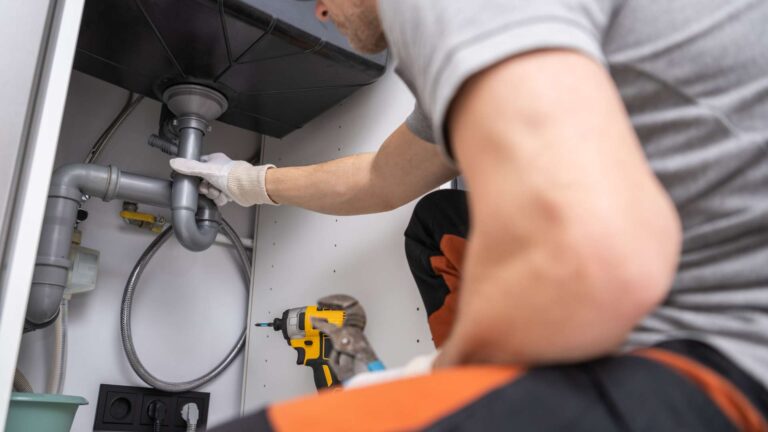
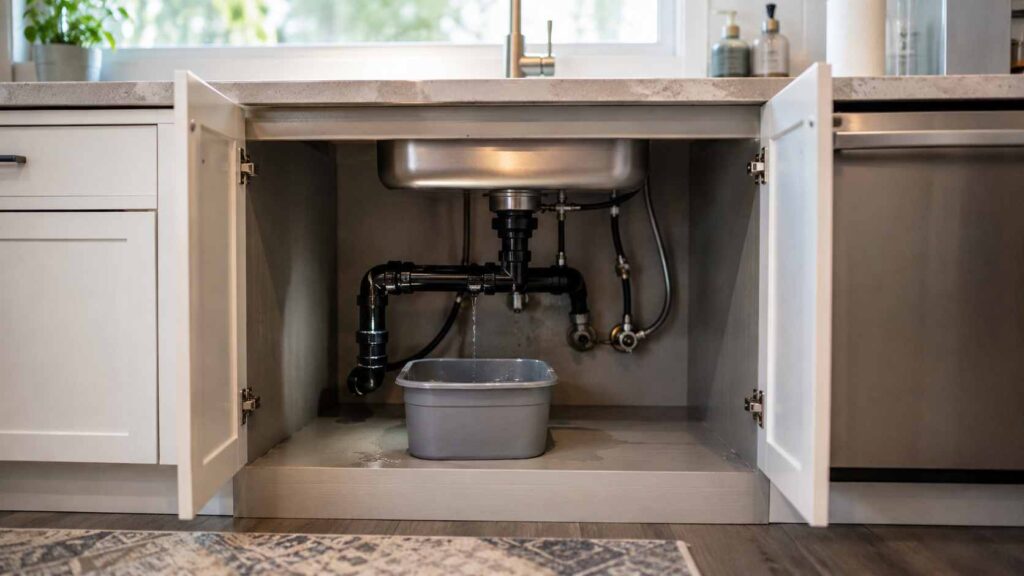
Most homeowners pay attention when a major plumbing issue occurs. A burst pipe, flooding, or a broken water heater is difficult to ignore. However, small water leaks often go unnoticed for weeks or even months. A slow drip under a sink, a tiny leak behind a wall, or a small crack in a pipe may seem harmless at first. Unfortunately, these minor issues can create major problems over time.
Many homeowners underestimate the financial and structural impact of water leaks. What starts as a few drops of water can eventually lead to expensive repairs, health concerns, and property damage. Understanding these hidden costs can help homeowners take action before a small problem becomes a major expense.
Higher Water Bills Every Month
One of the first hidden costs of a water leak is increased water usage. Even a slow drip wastes a surprising amount of water over time.
A leaking faucet can waste hundreds or even thousands of gallons of water each year. Leaking toilets are often even more costly because they can continuously use water without obvious signs. Homeowners may notice higher utility bills but fail to connect them to a small leak somewhere in the property.
Over several months or years, these unnecessary costs can add up significantly. What appears to be a minor issue can quietly drain money from a household budget.
Structural Damage to Your Home
Water is one of the most damaging elements a home can face. When moisture enters areas where it does not belong, building materials begin to weaken.
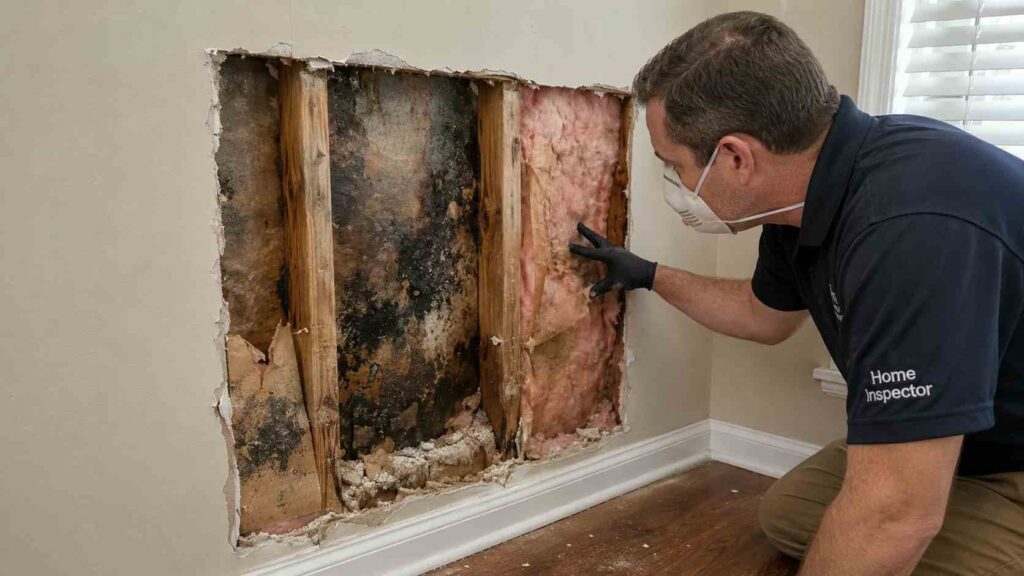
Drywall absorbs moisture and can become soft or crumble. Wooden framing may warp, swell, or rot. Flooring materials can become damaged and lose their structural integrity. Even concrete can deteriorate when exposed to constant moisture.
The problem becomes even worse when leaks remain hidden behind walls, ceilings, or under floors. By the time visible signs appear, substantial damage may have already occurred.
Repairing structural damage is often much more expensive than fixing the original leak.
Mold Growth and Indoor Air Quality Issues
Moisture creates the perfect environment for mold growth. Mold can begin developing within a relatively short period when water remains trapped in dark, humid spaces.
Bathrooms, kitchens, basements, crawl spaces, and wall cavities are common areas where mold develops after leaks. Once mold spreads, removal becomes difficult and costly.
Mold can also affect indoor air quality. Some people may experience allergies, coughing, headaches, or respiratory irritation when exposed to mold spores. Children, older adults, and individuals with existing respiratory conditions may be particularly sensitive.
Preventing moisture buildup is one of the most effective ways to avoid mold-related problems.
Damage to Personal Belongings
Water leaks do not only affect the structure of a home. They can also damage valuable personal belongings.
Furniture, electronics, clothing, documents, photographs, and sentimental items can all be ruined by prolonged moisture exposure. In many cases, these items cannot be fully restored once damaged.
Homeowners often discover this problem after a leak has been active for an extended period. What could have been a simple repair may end up resulting in the loss of valuable possessions.
Reduced Property Value
A well-maintained home generally retains its value better than a property with unresolved maintenance issues. Water damage can significantly impact a home’s market appeal.
Potential buyers are often cautious when they see signs of water intrusion. Water stains, mold growth, warped flooring, or musty odors may indicate larger underlying problems.
Home inspectors frequently identify evidence of previous leaks during property evaluations. Even if repairs have been completed, a history of water damage can raise concerns among buyers.
Maintaining a leak-free property helps preserve both appearance and long-term value.
Expensive Restoration Costs
When leaks are ignored for too long, restoration costs can become substantial. Water damage often affects multiple areas simultaneously, including walls, flooring, insulation, and personal belongings.
In severe situations, homeowners may need assistance from experienced water damage restoration professionals like Sunrise Water Damage to assess the extent of the damage and restore affected areas properly. Professional restoration helps address moisture issues that may not be visible to the naked eye and reduces the risk of long-term complications.
The longer a leak remains untreated, the more extensive restoration efforts may become.
Electrical Hazards
Water and electricity are a dangerous combination. Leaks that occur near wiring, outlets, electrical panels, or appliances can create serious safety risks.
Moisture can damage electrical components and increase the possibility of short circuits. In some situations, water exposure may even contribute to electrical fires.
Hidden leaks behind walls can be especially dangerous because homeowners may not realize electrical systems have been affected until a problem develops.
Prompt leak detection helps reduce these risks and protects both people and property.
Increased Insurance Challenges
Many homeowners assume insurance will cover all forms of water damage. However, insurance policies often distinguish between sudden events and preventable maintenance issues.
If a leak has been present for an extended period and damage resulted from neglect, some claims may be partially covered or denied altogether. This can leave homeowners responsible for significant repair costs.
Regular inspections and prompt repairs help demonstrate responsible property maintenance and may reduce complications when filing insurance claims.
Pest Problems Caused by Moisture
Moist environments attract various pests. Termites, cockroaches, ants, and rodents often seek out areas with easy access to water.
A small leak can create ideal conditions for infestations. Once pests establish themselves, homeowners may face additional expenses related to pest control and property repairs.
Addressing moisture problems early helps eliminate one of the key factors that attract unwanted pests.
Prevention Is Always More Affordable
One of the most important lessons homeowners can learn is that prevention costs far less than restoration. Regular inspections can identify small leaks before they become serious issues.
Homeowners should periodically check:
- Under sinks
- Around toilets
- Near water heaters
- Around appliances
- Inside basements and crawl spaces
- Around roofs and windows
Even simple inspections can help identify warning signs early. Water stains, musty odors, peeling paint, warped flooring, or unexplained increases in water bills should never be ignored.
Final Thoughts
The hidden costs of ignoring small water leaks extend far beyond a higher utility bill. Leaks can damage building materials, reduce property value, encourage mold growth, create electrical hazards, attract pests, and lead to expensive restoration projects.
Many of these problems develop gradually, making them easy to overlook. However, the financial impact often grows significantly over time.
Taking action when a leak first appears is one of the smartest investments a homeowner can make. Early detection and prompt repairs protect your home, your health, and your long-term finances while helping you avoid the much larger costs associated with extensive water damage.