
The Deep Cleaning Checklist for Newly Painted Homes
Fresh paint transforms a living space completely, giving it a beautifully modernized appearance. The new color looks incredible, but the leftover dust and heavy chemical smells can remain behind for days. Property owners need a practical strategy to restore order after the brushes dry.
Getting your rooms truly spotless requires a strategic plan that targets hidden particles. A systematic approach helps clear the air and surfaces without damaging the fresh coatings. Taking these careful steps protects your investment and prepares the property for daily life.

Clear the Airborne Particles
Fine white dust settles everywhere after masking tape and plastic sheets come down. Tiny airborne particles float through the indoor air for days after the painters pack up their gear. Moving stale air out of the building represents the initial phase of property recovery.
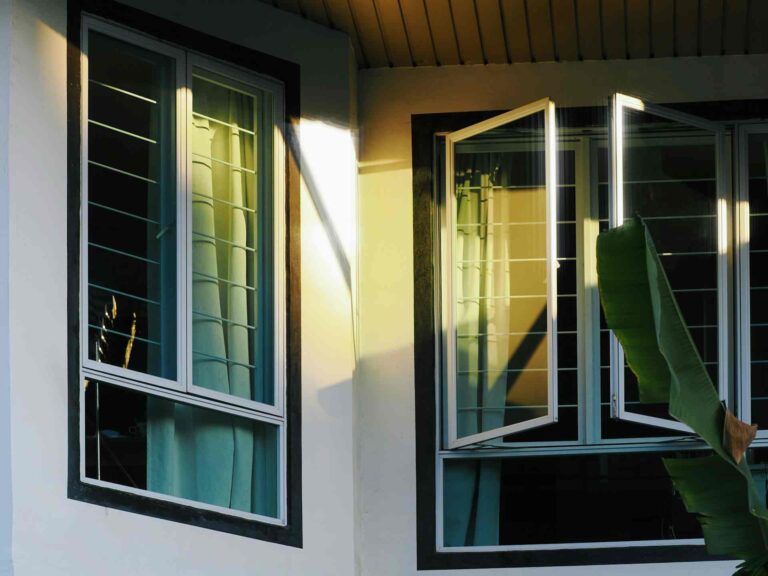
Open windows wide to let crisp fresh air circulate throughout the rooms. Large box fans help push out the stagnant fumes and trapped dust quickly. A good strategy creates a consistent cross-breeze that clears out the heavy interior atmosphere.
Running an air purifier equipped with a carbon filter captures small lingering debris. Clean indoor air makes the space comfortable for everyone right away. Swapping out your main HVAC filters prevents the furnace from recirculating fine white powder.
Vacuum Every Hard Surface
Sweeping often kicks up fine paint dust back into your breathing zone. Using a powerful vacuum with a high-efficiency filter prevents that secondary mess. Collecting the particles directly stops them from settling right back down onto furniture surfaces.
Sanding walls creates a major mess that coats woodwork. A local expert like BraBos Cleaning handles post-renovation cleanup to eliminate these stubborn residues completely. Professional teams possess heavy-duty gear designed for microscopic construction dust.
Run the machine brush attachment along baseboards, window sills, and door frames. Dirt hides in small crevices you might easily miss during a quick walkthrough. Drawing debris out from these cracks prevents future tracking across clean floors.
Wipe Down the Walls Gently
Freshly applied layers need time to cure before heavy scrubbing happens. Standard latex paint requires roughly 30 days to harden fully. Rubbing the surfaces too hard beforehand can ruin the pristine finish completely.
Use a clean damp microfiber cloth to pick up loose film without ruining the finish. Dry wiping can scratch the delicate new sheen. Keeping the fabric slightly damp allows it to grab dust without dripping water down.
Avoid harsh chemical detergents during this initial cleanup phase. Clear warm water works perfectly for capturing the fine film. Soft circular motions prevent uneven wear marks on your beautiful new walls.
Assess the Air Quality
Fumes can linger long after the wet shine disappears from your walls. Modern coatings sometimes release invisible gases for several weeks. Proper ventilation remains critical until the curing process finishes completely.
An international government study showed low VOC options limit emissions and provide healthier air for occupants. Selecting the right products minimizes long-term health risks. Lowering chemical exposure protects your family’s respiratory health permanently.
Keep interior doors wide open to maintain steady airflow across the house. Good ventilation speeds up the curing cycle. Keeping closets open allows trapped odors to escape into the main air stream.
Clean the Window Glass
Paint splatters and sticky tape residue frequently end up on window panes. Catching these spots early prevents permanent glass scratches. Clear windows make the entire room feel brighter and more spacious.
Grab a specialized plastic scraper to remove dried droplets safely. Clean the surface using simple steps:
- Spray mild soapy water on the spots.
- Hold the blade at a 45-degree angle.
- Glide the edge smoothly across the glass.
Using a soft plastic edge avoids the scratches that metal razor blades often cause.
Finish by wiping the frame with a lint-free towel. Sparkling windows allow natural light to show off your new color scheme. Removing tracking marks leaves the entire frame looking brand new.

Address Light Fixtures and Outlets
Fine white powder easily settles on top of electrical switches and ceiling fans. These dark spots get overlooked during quick cleanups. Paying attention to these fixtures makes a noticeable difference.
Turn off the main power breaker before cleaning near electrical components. Safety remains the number one priority during home maintenance. Never spray liquid cleaners directly onto an outlet plate.
Use a dry electrostatic duster to pull grime off delicate fixtures. Wiping lightbulbs removes film that dims the room’s brightness. Checking the tops of ceiling fan blades stops dust from flying when turned on.
Scrub The Flooring Surfaces
Drops of pigment often slip past protective canvas tarps onto the floor. Hardwood and tile require different removal strategies. Choosing the wrong tool can leave permanent gouges behind.
Treat spots according to your specific floor material:
- Soft damp cloths work well on fresh spills.
- Rubbing alcohol removes latex spots from vinyl.
- Targeted scraping clears dried drips from ceramic tiles.
Matching the solution to the surface prevents costly finish damage.
Mop the entire floor twice to remove invisible dusty footprints. Clean floors make the whole renovation feel complete. Walking barefoot feels much better when the grit is completely gone.
Refresh Cabinetry And Built-Ins
Dust migrates inside closed cabinets during sanding and prep work. Shelves require a thorough wipe down inside and out. Leftover debris ruins clean dishes and clothes stored inside.
Remove drawers completely to reach the hidden tracks underneath. Grime stuck in sliders causes drawers to jam later. Vacuuming the tracks maintains smooth operation for years.
Vacuum the interior corners using a narrow crevice tool attachment. Replacing dishes onto clean shelves prevents spreading old dust. Wiping the exterior cabinet doors removes handprints from the installers.
Sanitize Door Hardware And Trim
Hands transfer oils to knobs while moving ladders and tools around rooms. Metallic hardware accumulates grime during busy painting projects. Sanitizing these touchpoints protects your family from lingering germs.
Wipe metal locks and hinges using a mild disinfectant solution. Clean trim frames the fresh wall color beautifully. Removing smudges from the woodwork creates a polished appearance.
Inspect the rubber weather stripping for stray drops of paint. Keeping seals clean keeps your home energy efficient. Checking the thresholds finishes the job completely.
Finishing a home makeover brings tremendous satisfaction to homeowners. Taking time to clear away renovation residue reveals the true beauty of the project. A careful final sweep turns a construction zone into a cozy haven.
Following an organized plan leaves your living space fresh and comfortable. Enjoying your beautiful rooms makes the hard work worthwhile. Relaxing in your updated space is the best reward.