
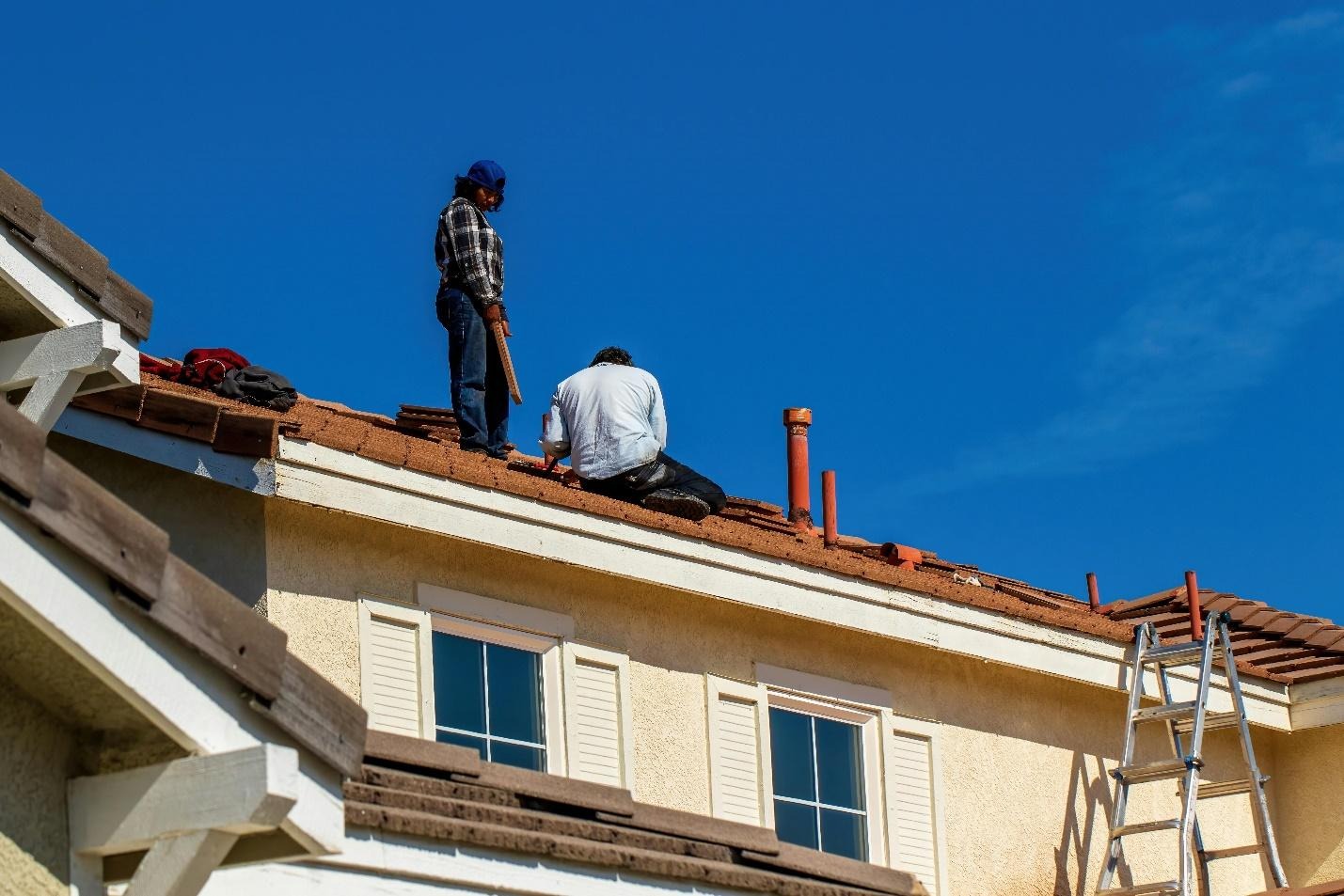
What Homeowners should consider Before Replacing the Roof
You don’t think much about your roof until water starts showing up where it shouldn’t. A small stain on the ceiling. A drip you hear at night when the house is quiet. By the time you notice it, the problem has usually been building for a while. Roofs don’t fail in a dramatic single moment. They wear down slowly, layer by layer, season after season.
In Portland, that slow wear is shaped by steady rain, damp air, moss growth, and the occasional stretch of wind that tests every shingle. Homes sit under months of moisture, then dry spells, then storms again. The roofs here take a beating that most people don’t see from the street. That constant exposure makes timing and planning more important than many homeowners expect.
Timing Matters More Than You Think
Roof replacement is rarely something people schedule years in advance. It tends to follow visible damage or an inspection report that feels urgent. Still, waiting for obvious leaks is not always the best approach.
Most roofing systems are designed to last a certain number of years under normal conditions. “Normal,” though, is relative. Weather patterns, tree cover, ventilation, and past repair quality all affect lifespan. A roof that looks fine from the driveway may already have weakened underlayers.
Before committing to full replacement, it helps to understand the difference between surface wear and structural failure. Shingles curling at the edges may signal aging. Missing granules, which are the small, sand-like particles, mean the protective layer is thinning. Soft spots underfoot during inspection suggest deeper problems.
If you’re in Portland roof replacement is a wise option, considering the level of wear roofs in this region are exposed to year-round. The question most homeowners here ask is often not just “Do I need one?” but “When is the right time?” Replacing too early wastes usable life. Replacing too late risks interior damage. That balance requires an honest assessment, not guesswork.
Understanding What’s Under the Shingles
Many people assume the roof is just shingles nailed to wood. In reality, it’s a layered system. Beneath the shingles sits underlayment, which acts as a moisture barrier. Below that is decking, usually plywood, that provides structure. Flashing protects joints and valleys where water naturally collects.
When one layer fails, the others compensate for a while. That’s why leaks can take time to appear inside. By the time water reaches insulation or drywall, the damage may already be widespread.
A proper evaluation should include the condition of these hidden components. Replacing shingles without checking the decking can lead to future issues. It’s not about upselling materials. It’s about understanding the system as a whole.
Ventilation and Insulation Are Often Overlooked
Roof problems are not always caused by weather alone. Poor attic ventilation traps heat and moisture. Over time, that trapped moisture can warp wood and reduce shingle lifespan. In colder months, uneven temperatures can create ice dams that block drainage and push water back under shingles.
Ventilation allows air to circulate, keeping temperatures more stable. Insulation works alongside it to maintain consistent indoor comfort. When replacing a roof, this is the right moment to review both.
Ignoring ventilation while installing new shingles is like repainting a room without fixing the leak behind the wall. The surface looks better, but the underlying issue remains.
Material Choices: More Than Just Color
Shingles come in a range of materials, like basic asphalt, architectural shingles, metal panels, and more. The choice affects durability, cost, and appearance.
Asphalt shingles are common because they balance affordability and function. Architectural shingles, which are thicker and layered, offer greater durability and a more dimensional look. Metal roofing resists moisture well and lasts longer, though it comes at a higher initial cost.
Beyond material, color plays a role in energy performance. Dark roofs absorb more heat. Lighter shades reflect it. The impact may not be dramatic in all climates, but it contributes to attic temperature.
Selecting materials should involve more than matching trim paint. It should reflect long-term goals for maintenance, budget, and performance.
Budgeting for the Full Scope
Roof replacement estimates can vary widely. Part of that difference comes from labor and material quality. Another part comes from what is included in the scope.
Does the quote cover the removal of old materials? Disposal? Replacement of damaged decking? Upgraded flashing around chimneys and vents? New gutters if needed? Homeowners sometimes compare numbers without comparing details. A lower price may exclude essential steps. That can create confusion once work begins.
It helps to request a detailed breakdown. Transparency reduces surprises and allows clearer planning.
Coordinating With Other Exterior Work
A roof does not exist in isolation. It connects visually and structurally to siding, gutters, windows, and doors. Replacing the roof can be an opportunity to evaluate the rest of the exterior.
For example, gutters should align properly with new roofing edges. If siding is aging, coordinating updates can ensure consistent flashing and waterproofing. Painting trim at the same time avoids the need for additional scaffolding later.
Some homeowners prefer to tackle projects one at a time for budget reasons. That’s understandable. Still, thinking ahead can prevent duplicated labor costs.
Permits and Warranties
Roof work often requires permits, depending on local regulations. Licensed contractors typically handle this process, but it’s worth confirming.
Warranties vary as well. Manufacturer warranties cover materials. Workmanship warranties cover installation quality. Both matter. A strong material warranty means little if installation was rushed or incomplete. Understanding coverage details before signing a contract prevents misunderstandings later. Ask how long labor is guaranteed and what actions might void the warranty.
Living Through the Process
Roof replacement is disruptive. Noise carries through the house. Debris falls. Access to driveways may be limited for a few days. Preparing for that disruption makes the experience smoother. Removing fragile items from walls reduces vibration risk. Informing neighbors about upcoming work maintains goodwill.
The process itself is usually faster than people expect. Many roofs are replaced within a few days, depending on size and weather. Still, planning ahead reduces stress.
It’s easy to view roof replacement as a reaction to damage. In reality, it’s an investment in the structure’s longevity. Roofs are quiet protectors. They don’t demand attention until they need it. Taking the time to consider timing, materials, ventilation, and scope ensures that when replacement does happen, it’s handled with foresight rather than urgency.