
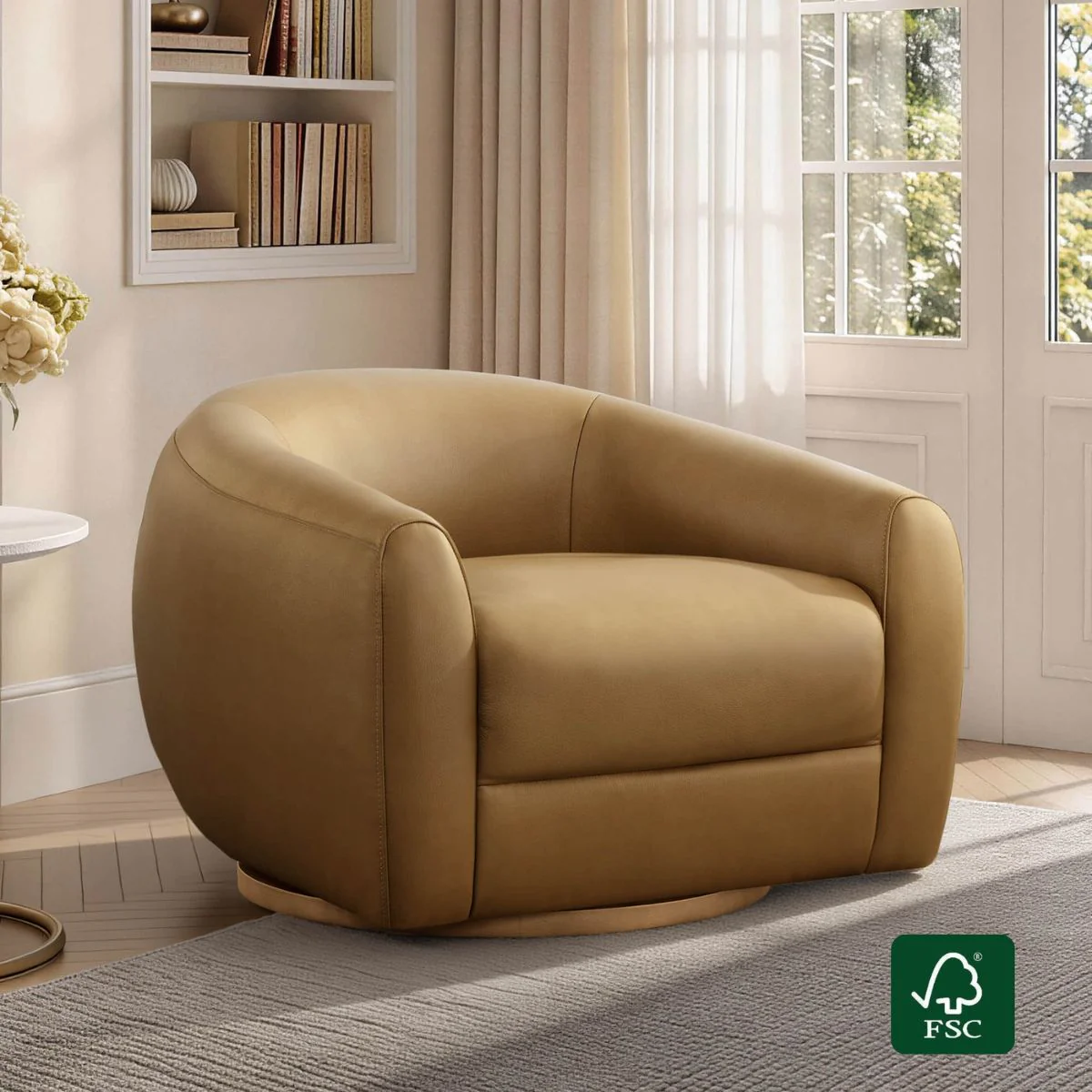
How to Choose the Right Swivel Chair for Your Living Space
Furniture shopping has a way of making even the most decisive people pause — and swivel chairs are no exception. With so many styles, materials, and configurations on the market, knowing where to start can feel overwhelming. Yet the swivel chair remains one of the most versatile pieces you can add to a room. It rotates freely, inviting conversation and movement in a way that static seating simply cannot.
Whether you’re outfitting a reading nook, anchoring a living room corner, or refreshing a home office, the right swivel accent chair can do heavy lifting both functionally and aesthetically. It adapts to the people in the room rather than forcing them to work around it. For anyone who hosts guests regularly, works from home, or simply values flexibility in their furniture, a swivel chair is one of the smartest investments you can make.
This guide walks you through everything you need to know — from construction and materials to styling and placement — so you can shop with confidence and find a swivel chair that genuinely fits your space and your life.
What Sets a Swivel Chair Apart from Standard Seating
At first glance, a swivel chair might look like any other accent chair. The difference becomes apparent the moment you sit down. Rather than locking you into a single forward-facing position, a swivel chair rotates on its base, giving you the freedom to turn toward whoever is speaking, shift your angle toward a window, or pivot to reach a side table without standing up. That freedom of movement changes how you experience a room.
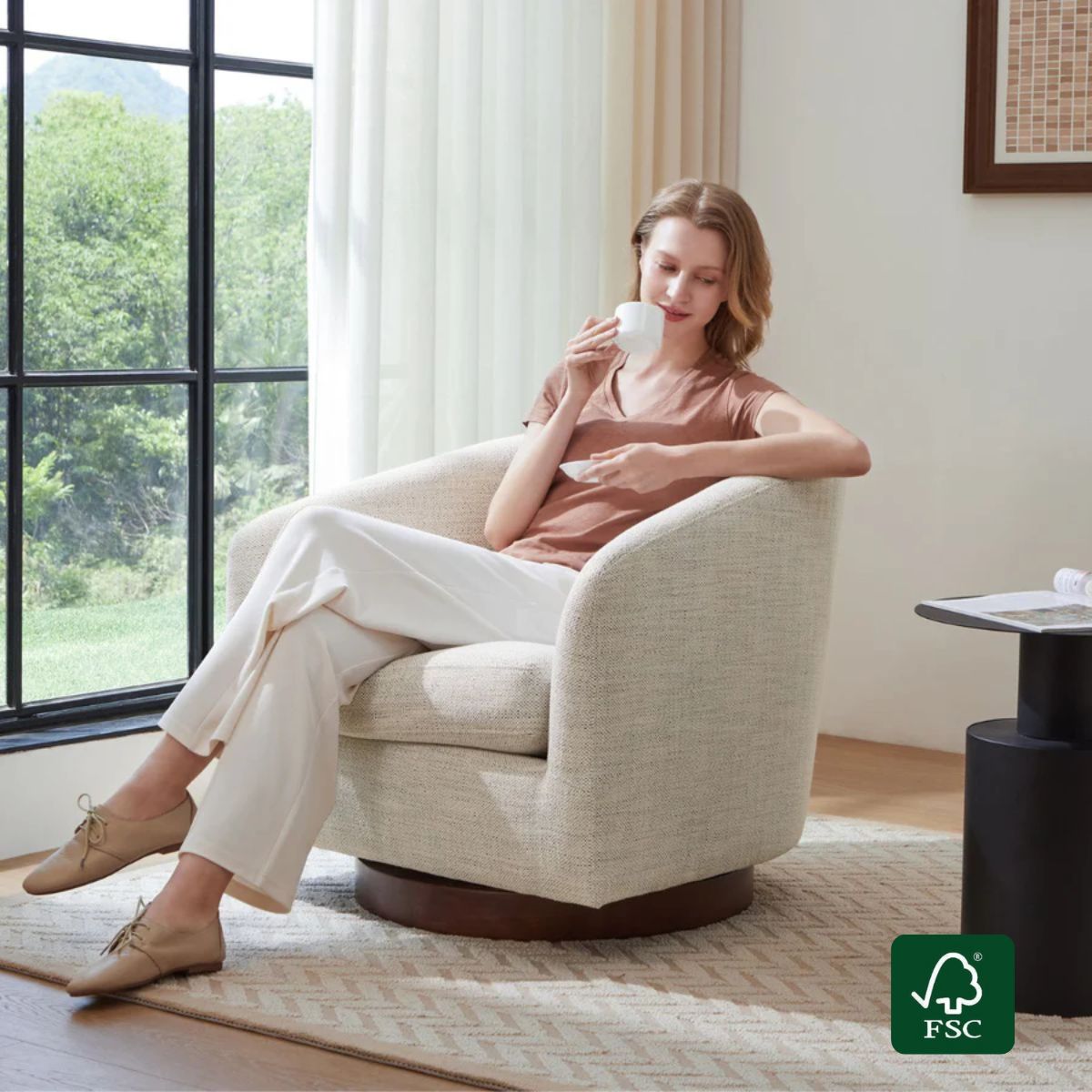
This functional advantage is most obvious in open-plan living spaces where a single chair might need to serve multiple zones — a conversation area on one side, a television on another, a dining space beyond that. Static chairs force you to choose. A swivel chair lets you adapt. That adaptability also makes swivel seating particularly well-suited for smaller rooms, where every piece of furniture needs to earn its footprint by serving more than one purpose.
The rotational mechanism itself has evolved considerably from older pedestal-based office chair designs. Modern swivel accent chairs use low-profile bases — often crafted from solid wood or brushed metal — that blend seamlessly into residential interiors. The result is seating that carries the elegance of a traditional accent chair while offering the practical range of motion that contemporary living demands. This combination of form and function is precisely why swivel chairs have become a staple in thoughtfully designed homes.
Key Features to Evaluate Before You Buy
Not all swivel chairs are built equally, and the details that separate a chair you’ll love for years from one you’ll regret become clear once you know what to look for. Evaluating a few core features before committing to a purchase will save you both money and frustration.
Base Construction and Material
The base is the backbone of any swivel chair, and its material directly affects both durability and visual character. Wooden bases — particularly those made from solid hardwood — are a strong choice for living room settings because they bridge the gap between functional and decorative. A well-crafted wood base adds warmth and texture to a room in a way that metal alternatives often cannot. When evaluating a wooden base, look for tight joinery, a consistent finish, and evidence of structural reinforcement at the swivel point, since that joint bears the most stress over time.
Metal bases are another common option and tend to offer a cleaner, more industrial aesthetic. They’re generally easier to maintain and can be more stable in chairs that see heavy daily use. Regardless of material, check that the base diameter is proportionate to the seat: a base that’s too narrow relative to the chair’s seat width creates a top-heavy silhouette and can compromise stability when someone leans to one side. A reliable indicator of quality is whether the base extends at least as wide as the outer edges of the armrests.
Upholstery and Seat Comfort
Upholstery does dual work in a swivel accent chair — it determines how the chair looks and how long you’ll actually want to sit in it. Fabric options range from performance wovens and boucle textures to velvet and leather, each with distinct trade-offs. Performance fabrics are a practical choice for households with children or pets because they resist staining without sacrificing softness. Velvet and boucle read as more luxurious but require slightly more care to maintain their appearance over time.
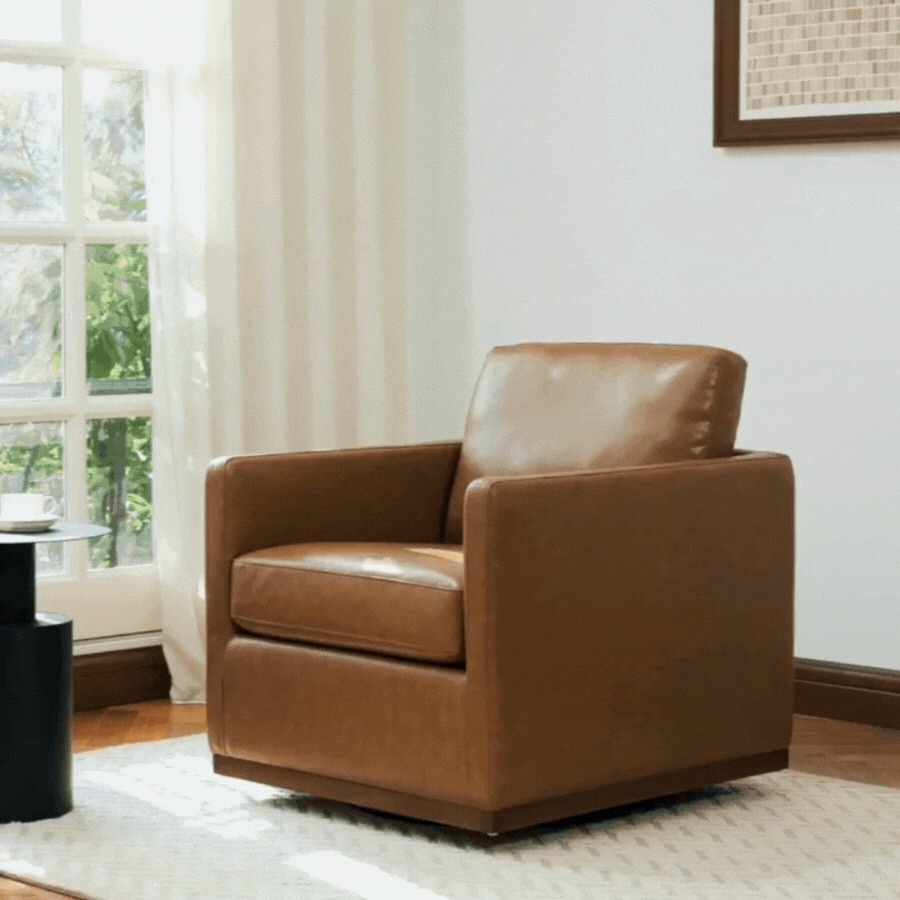
Beyond fabric choice, pay attention to seat depth and cushion density. A seat that’s too deep forces shorter users to either slide forward awkwardly or lose lumbar support entirely. A cushion that’s too soft loses its shape quickly and stops providing meaningful support within months of regular use. Medium-density foam with a fiber wrap offers a balance of initial softness and long-term resilience that tends to hold up well across different body types and sitting habits.
How to Style a Swivel Accent Chair in Your Home
Choosing the right swivel chair is only half the equation — placing it well is what makes the piece feel intentional rather than incidental. Swivel chairs offer unusual styling flexibility because their rotational function actually works best when they’re positioned away from walls, where the full range of motion can be used. That said, there are a few placement strategies that tend to produce particularly strong results.
In a living room, pairing a swivel chair with a sofa creates an L-shaped or U-shaped conversation grouping that feels welcoming without being rigid. Because the chair can rotate toward the sofa or away from it, guests don’t feel locked into a single conversational direction. This setup works especially well when the swivel chair is upholstered in a complementary but contrasting fabric — a textured boucle chair against a smooth linen sofa, for instance, adds tactile interest while keeping the palette cohesive.
Chitaliving’s approach to swivel accent seating leans into this balance between visual warmth and practical flexibility. Their wood-base designs are particularly effective in rooms that mix natural materials, where the grain of the chair’s base echoes the tones of other wooden elements like coffee tables, shelving, or flooring. That material continuity gives a room the layered, considered quality that distinguishes a decorated space from a merely furnished one.
For smaller rooms or bedroom sitting areas, a single swivel chair in a corner with a floor lamp and a small side table creates a functional reading nook that also photographs beautifully. The swivel function lets you orient toward natural light during the day and toward the room in the evening, making it genuinely useful across different times and activities rather than being decorative alone.
Matching a Swivel Chair to Your Room’s Aesthetic
Swivel chairs span a wide range of design languages, from clean Scandinavian minimalism to rounded mid-century silhouettes to structured transitional forms. Finding one that genuinely fits your room requires looking beyond individual pieces and considering the design vocabulary already present in your space.
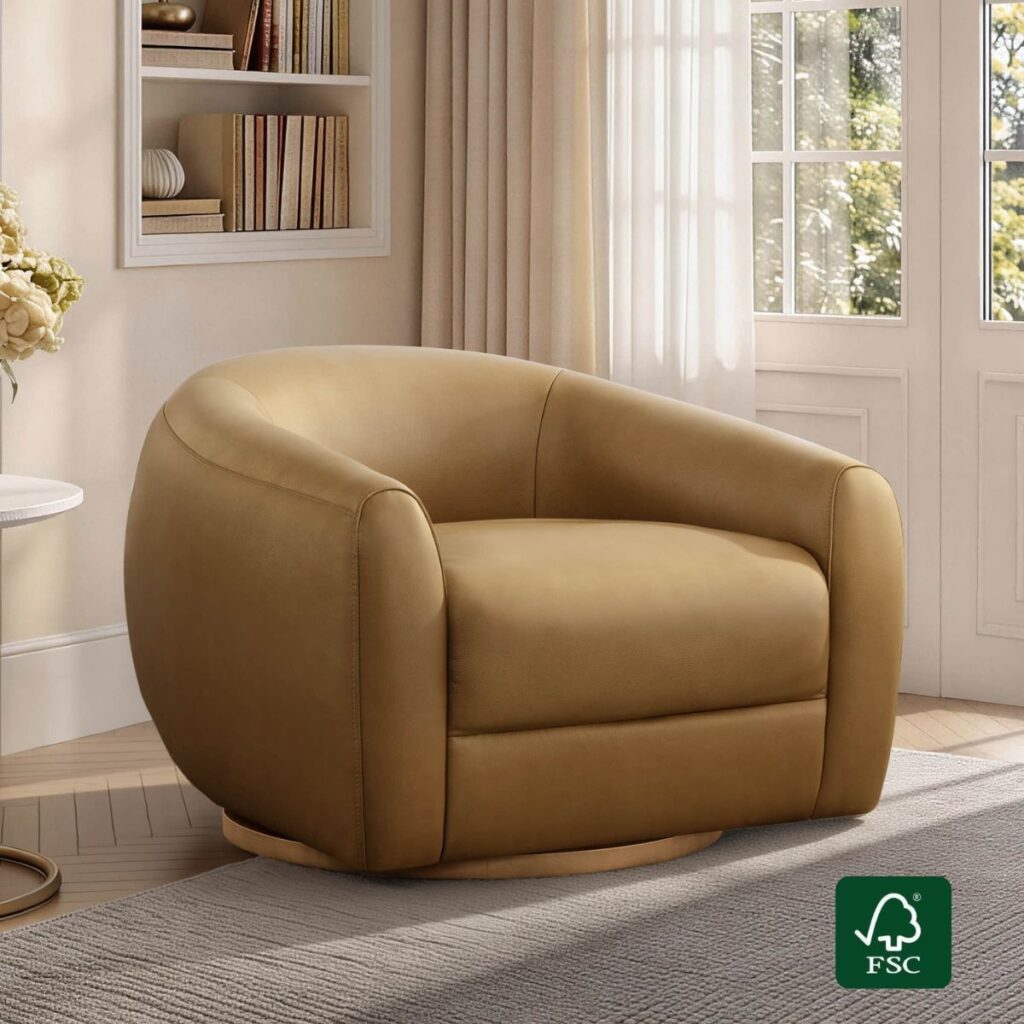
If your room features mostly straight lines — a boxy sofa, rectangular coffee table, angular shelving — a swivel chair with a rounder, more organic silhouette introduces visual contrast that keeps the space from feeling too rigid. Conversely, if your existing furniture already has curved elements, a swivel chair with cleaner, more geometric proportions can provide grounding structure. The goal isn’t to match every piece but to create a balance between tension and harmony that gives the eye places to rest and places to travel.
Color and material play an equally important role. A swivel chair in a neutral like cream, oatmeal, or warm gray is the safest choice for long-term versatility — it can move between rooms and survive changes in your broader color scheme without becoming a problem piece. If you’re drawn to a bolder upholstery choice, treat the chair as a deliberate accent and build the room’s palette around it rather than trying to integrate it after the fact.
Common Mistakes to Avoid When Shopping for a Swivel Chair
Even well-informed shoppers make predictable errors when buying swivel seating. The most common is choosing a chair based on appearance in a showroom or product photo without accounting for scale. A chair that looks compact online can easily overwhelm a smaller room once it arrives. Always measure your intended space before ordering — note not just the floor area but also ceiling height, doorway width for delivery, and the visual weight of other furniture in the room.
A second common mistake is underestimating the importance of the swivel mechanism’s quality. Budget chairs often use mechanisms that feel smooth initially but develop wobble or resistance within a year of regular use. A simple test: when evaluating a chair in person, apply lateral pressure to the seat while rotating. A well-constructed mechanism should feel solid with no lateral play. If you’re shopping online, look for chairs from brands that provide specifics about their hardware and offer meaningful warranty coverage on the mechanism itself.
Finally, avoid buying a swivel chair in isolation from the room it’s meant for. Bring fabric swatches, paint chips, or photos of your existing furniture when shopping in person. When ordering online, request fabric samples first if the retailer offers them. The difference between a swivel chair that elevates your room and one that merely occupies space in it almost always comes down to how carefully the selection was considered against the full context of the space.
Choosing a Swivel Chair That Earns Its Place in Your Home
A well-chosen swivel chair rewards you every time you use it — it moves with you, fits the room it belongs in, and holds up long enough to become a genuine fixture rather than a temporary placeholder. That kind of lasting value is worth pursuing carefully.
Start with function: identify where the chair will live, how it will be used, and by whom. Then move to construction, evaluating base material, upholstery quality, and mechanism integrity. Style and aesthetics matter, but they work best as the final filter applied to a shortlist already narrowed by practical criteria. Chitaliving offers a focused range of swivel accent chairs built around solid wood bases and considered upholstery choices — a useful reference point whether you buy from them or use their designs to calibrate what you’re looking for elsewhere.
The right swivel chair won’t just fill a corner. It will become the seat people gravitate toward, the piece that makes your room feel more alive, and the furniture decision you look back on and feel genuinely good about. Take your time, shop with intention, and let the chair do its job.