Create a More Enjoyable Outdoor Space With Simple Updates
Your yard is a lot like your living room, except the ceiling is the sky and the squirrels act like they own the place. If your outdoor space feels plain, messy, or just a little forgotten, a few smart updates can make it look far more inviting. You don’t need a giant budget or a landscaping degree. You just need a plan that makes the space easier to use, easier to enjoy, and easier to keep looking good.
Plan a Functional Yard Layout
Before you buy plants, pillows, or a cute little lantern that looked amazing online, step back and look at how your yard actually works. Think about where people walk, where sunlight hits, and which areas feel awkward or empty. A nice outdoor space usually starts with flow, not fancy extras.
One thing many homeowners often overlook is how their watering system affects the entire landscape. Planning irrigation before planting helps ensure every part of the yard receives consistent coverage. That’s where top-rated sprinkler installation can fit naturally into your upgrade plans, especially if you want a healthier landscape that stays attractive without dragging a hose around every weekend.
Try dividing the yard into simple zones. Maybe one area is for sitting, one is for planting, and one is just open space. When each part has a purpose, the whole yard feels more polished. Even a small space can seem bigger when it has a clear layout.
Select the Right Plants for Your Yard
Plants do a lot of heavy lifting in outdoor design. They add color, soften hard edges, and make everything feel more alive. Still, it’s easy to buy the wrong ones if you choose based only on looks. That bright flower may be gorgeous, but if it needs full sun and your yard is mostly shady, it’s going to struggle.
Start by noticing the basics. Which spots get strong afternoon sun? Which stays damp after rain? Which areas are close to a walkway or front entry? Then match plants to those conditions instead of trying to force a bad fit. It saves money, time, and a surprising amount of plant-related heartbreak.
It also helps to think in layers. Taller plants can go in the back, medium plants in the middle, and lower growers near edges or paths. Mix in evergreen shrubs if you want the yard to look decent even when flowers take a season off. If you prefer low-fuss care, choose hardy plants that don’t need constant trimming, watering, or pep talks.
Design Cozy Outdoor Spaces
A yard feels finished when it gives you a reason to stay outside. That doesn’t mean you need a giant deck or a full outdoor kitchen with chef-level ambition. A simple seating area can do the trick. A bench under a tree, two chairs with a small table, or a compact bistro setup on the patio can make the whole space feel more useful.
Try to place seating where it makes sense. If the spot gets blazing hot by noon, add shade nearby or move the setup. If you like morning coffee outside, choose a quiet corner with softer light. If you host friends, keep chairs close enough for conversation without making everyone feel like they’re packed into a lifeboat.
Leave enough room to walk around furniture easily. Tight layouts can make a yard feel cluttered fast. If the space is small, go for pieces with slim frames or light colors so things feel airy. Outdoor spaces work best when they invite you in, not when they make you sidestep around every planter like an obstacle course.
Use Lighting to Set the Mood
Good outdoor lighting can make even a basic yard feel warm and intentional. It’s not just about looks, either. Lighting helps people move around safely and lets you enjoy the space after sunset without turning the whole yard into a stadium.
Start with the practical spots. Paths, steps, and entry points should be easy to see. Soft path lights or small solar lights can help guide the way without looking harsh. Around a patio or seating area, string lights often work well because they add glow without needing a big setup. They’re a little magical, and honestly, they make almost everything look better.
You can also use lighting to show off favorite features. A small spotlight on a tree, a row of lights near flower beds, or a gentle glow around a water feature can add depth. The trick is restraint. Too many bright lights can flatten the space and feel more like a parking lot than a peaceful retreat. Think gentle layers, not flashlight interrogation.
Add Texture and Color
If your yard looks flat, it may not need more stuff. It may just need more contrast. Texture and color can make a space feel designed, even when the changes are simple. This is where details matter.
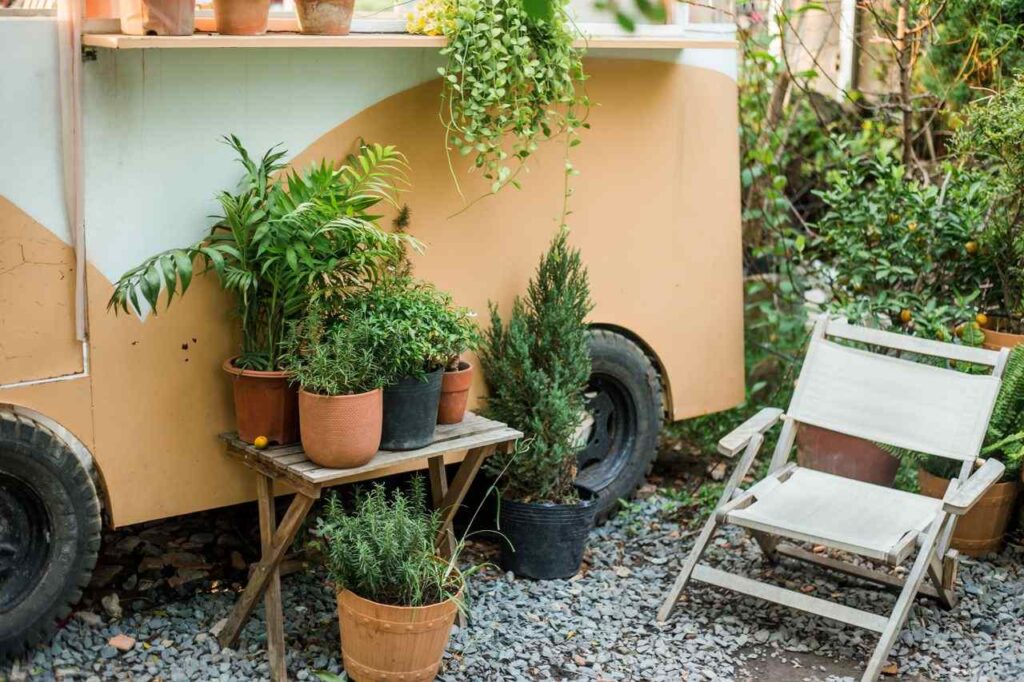
Planters are an easy place to start. A mix of ceramic, wood, or metal containers can add personality near an entry or patio. Outdoor rugs can define a seating area and make it feel more like an actual room. Cushions and throw pillows bring in color without requiring a major commitment. If you get tired of a shade, swap it out. Much easier than repainting a fence in a moment of weekend confidence.
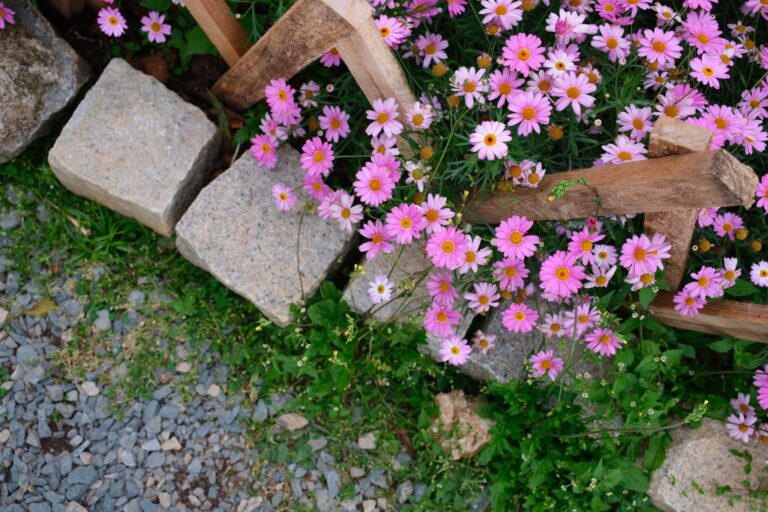
Natural materials help too. Mulch gives beds a tidy look and helps plants retain moisture. Gravel or stone can add texture around pathways or garden edges. If your home has painted shutters, trim, or a colorful front door, try repeating those tones in planters or accessories. When the yard picks up on the home’s style, everything feels more connected.
Keep Upkeep Realistic
The best yard is not the one that looks perfect for two days after a big makeover. It’s the one you can actually maintain without turning every weekend into a full-time outdoor shift. That means being honest about your schedule, energy, and tolerance for chores.
Choose upgrades that match real life. If you’re busy, keep plant beds smaller and use durable materials that don’t need constant attention. Group plants with similar watering needs together. Sweep paths now and then, trim overgrowth before it gets wild, and check outdoor furniture for wear before each season starts.
A simple routine goes a long way:
- Water deeply when needed
- Pull weeds a little at a time
- Refresh mulch once or twice a year
- Clean cushions and rugs seasonally
- Replace dead plants quickly
That last one matters more than people think. One tired plant can make the whole yard look sleepy. When you focus on practical choices from the start, your outdoor space stays inviting without becoming a giant to-do list. And that means more time enjoying it, which is kind of the whole point.