Creative Ways to Personalize Your Home Decor
Personalized home decor allows homeowners to create spaces that reflect individual tastes, memories, and lifestyle preferences. While many interiors rely on standard retail furnishings, customized decorative elements provide a distinct aesthetic and functional identity. To effectively personalize your home decor combines materials, textures, visual storytelling, and design consistency while maintaining balance within the overall interior layout.
When personalization is approached strategically, it enhances visual cohesion without overwhelming the space.
Use Textile Customization for Decorative Accents
Textiles offer one of the most versatile ways to personalize interior spaces. Decorative fabrics can be customized and applied across cushions, wall hangings, and upholstery accents to create distinctive visual themes.
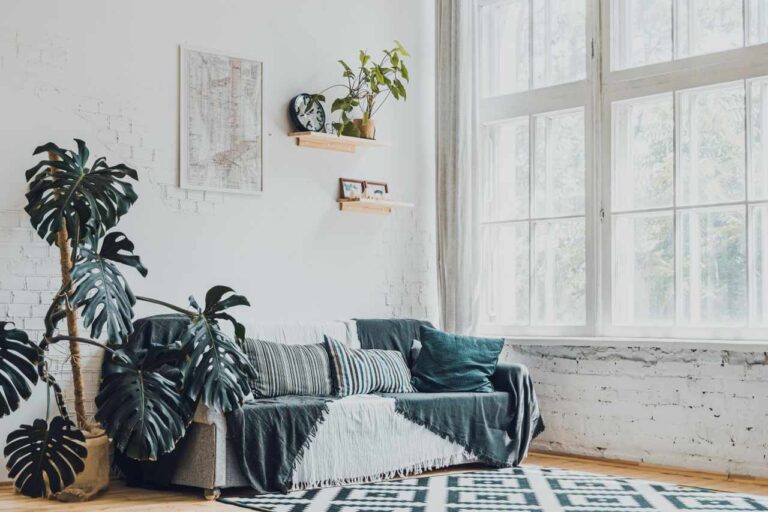
Homeowners often incorporate elements such as custom patches into decorative textiles to add unique patterns or personalized graphics. These patches can be stitched onto throw pillows, fabric wall panels, or accent blankets to introduce texture and custom imagery.
Because patches are produced using embroidered or woven techniques, they add dimensional detail that printed fabrics cannot easily replicate.
Design considerations when using textile customization include:
- Selecting color palettes that complement existing furniture
- Placing accents in focal areas rather than across every surface
- Maintaining balance between decorative elements and neutral fabrics
Textile customization works particularly well in living rooms, bedrooms, and creative spaces where soft materials naturally integrate with the surrounding decor.
Create Custom Wall Displays
Walls provide large surfaces that can be used to express personal style without affecting floor space. Instead of relying solely on standard framed artwork, homeowners can create custom display arrangements that combine different visual elements.
Effective wall display techniques include:
- Multi-frame gallery walls featuring personal images
- Mixed-media arrangements combining artwork, prints, and textiles
- Shadow boxes containing meaningful objects or memorabilia
- Geometric wall layouts that create structured visual patterns
Careful spacing between display pieces is essential for maintaining visual clarity. Uneven spacing can make gallery walls appear cluttered or disorganized.
Designers often recommend maintaining consistent frame materials or color tones so that diverse images still appear visually cohesive.
Custom wall displays help personalize interiors while maintaining a professional design aesthetic.
Incorporate Personal Photography Into Decor
Personal photography adds emotional value to interior spaces because it reflects meaningful experiences and relationships. However, displaying photographs effectively requires thoughtful presentation to avoid visual clutter.
One method involves organizing curated collections of images into professionally printed formats such as photo books. These books allow homeowners to archive large collections of images in a structured format that can be displayed on coffee tables or bookshelves.
Photo books serve both decorative and archival purposes. When placed in living rooms or offices, they provide guests with a visual narrative of family events, travel experiences, or creative projects.
Unlike framed photos, which occupy wall space, photo books allow collections to be rotated or updated without altering the room’s overall layout.
Customize Shelving Displays
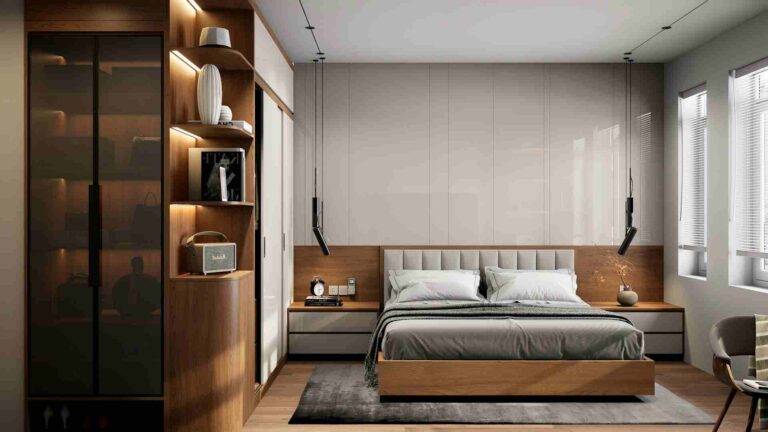
Shelving systems offer opportunities to integrate personalize your home decor decorative objects within functional storage areas. Bookshelves, floating shelves, and display cabinets can all be arranged to highlight personal collections and design preferences.
Effective shelf styling typically combines several categories of objects:
- Books arranged vertically or horizontally
- Small sculptures or art pieces
- Decorative containers or ceramics
- Personal memorabilia
Layering objects at varying heights helps create depth within the display. Designers often recommend placing larger items toward the back of the shelf and smaller objects in the foreground.
Consistent color themes also help maintain visual harmony across shelf arrangements.
When curated carefully, shelving displays become an extension of the homeowner’s personality while maintaining a structured appearance.
Use Lighting to Personalize Your Home Decor
Lighting plays an important role in emphasizing personalize your home decor elements. Accent lighting can draw attention to specific objects or design features without changing the overall layout of a room.
Common lighting strategies include:
- Wall-mounted picture lights for artwork
- LED strip lighting beneath shelves
- Spotlights directed toward decorative displays
- Table lamps that highlight reading or display areas
Directional lighting creates focal points that guide the viewer’s attention toward customized decor elements. If you’re unsure which fixtures will work best for your space, visiting a reputable lighting store can provide inspiration and help you compare styles that complement your home’s overall design.
Lighting color temperature also influences the appearance of materials. Warm lighting tones often enhance wood textures and fabric colors, while cooler lighting may better highlight modern or minimalist designs.
Proper lighting ensures that personalized elements remain visually prominent within the room.
Combine Vintage and Modern Decorative Elements
Another effective personalization strategy involves blending vintage items with contemporary furnishings. Combining pieces from different design periods adds character and visual contrast to interior spaces.
Examples include:
- Pairing antique furniture with modern lighting fixtures
- Displaying vintage collectibles alongside minimalist shelving
- Using restored architectural elements as decorative accents
When combining different styles, maintaining a consistent color palette helps unify the space.
Vintage elements often introduce craftsmanship and historical character that cannot be replicated with mass-produced decor.
This approach allows homeowners to showcase personal interests while maintaining a balanced interior design.
Rotate Decorative Elements Periodically
Personalized decor does not need to remain static. Rotating decorative items periodically helps keep interiors visually fresh while allowing homeowners to showcase different collections throughout the year.
Items commonly rotated include:
- Seasonal textiles such as pillows or blankets
- Decorative objects stored in display cabinets
- Photographs or artwork in gallery walls
Rotating decor prevents rooms from becoming visually stagnant while allowing homeowners to refresh interior styling without purchasing new furnishings.
This practice also protects delicate items from continuous light exposure or wear.
To personalize your home decor requires thoughtful integration of textures, personal imagery, lighting, and curated displays. Textile customization, photography collections, shelving arrangements, and mixed-style design elements all contribute to interiors that reflect individual identity. By combining personalized materials with balanced design principles, homeowners can create spaces that remain visually cohesive while expressing personal creativity and experiences.