
Decor Tips That Make a New House Feel Like Home
Moving into a new house can feel exciting, weird, and a little like sleeping at a cousin’s place for the first week. Everything is yours, but nothing feels quite familiar yet. The good news is you don’t need a giant budget or a designer clipboard to fix that.
A home starts to feel right when it works for your daily life. With a few smart decor choices and some patience, you can help your new place feel warm, useful, and truly yours.
Move With A Plan
Before you worry about throw pillows and paint swatches, give your move some structure. A solid plan makes decorating much easier because you’re not hunting for towels in a box labeled “maybe kitchen.”
If you’re relocating far from your old place, working with long distance movers can help you get your belongings there in a more organized way, which matters when you’re trying to settle in without turning every room into a cardboard jungle.
Try thinking room by room before moving day. Decide which spaces need to function first. For most people, that means the bedroom, bathroom, and kitchen. Label boxes clearly and keep a short list of must-have items with you.
It also helps to avoid planning every decor detail too early. Your new house may have different light, wall space, or traffic flow than your old one. Move in with a plan, but leave room for the house to tell you what makes sense. Homes are a bit bossy like that.
Start With Essentials
When you first arrive, focus on comfort, not perfection. You do not need a styled bookshelf on day one. You need toilet paper, clean sheets, and a lamp that lets you see where your snacks are. Start with the basics that make the house livable.
Unpack your bedroom first so you have one calm place to land at night. Make the bed, set up a bedside light, and charge your phone somewhere you can actually find it in the dark. In the bathroom, hang a shower curtain, unpack fresh towels, and stock the counter with daily items.
Then create one comfortable seating area, even if the rest of the room still looks halfway between “new beginning” and “yard sale aftermath.” A couch, chair, or even floor cushions can make a huge difference. Add one soft blanket and a warm lamp, and suddenly the room says, “You live here now.”
That small win matters. Feeling at home starts with function. Pretty can catch up later.
Let Each Room Breathe
One of the most common moving mistakes is trying to finish every room right away. It’s tempting. You want the house to feel done. But rushing often leads to awkward layouts, cluttered corners, and buying things you later regret. That giant shelf may have looked perfect online, but in person it blocks the walkway like a bouncer.
Instead, let each room breathe for a bit. Place your main furniture first and live with it for a few days. Notice how you move through the space. Where do you naturally drop your keys? Which corner gets the nicest light? Is the chair in a good reading spot or just silently judging the wall?
Empty space is not a decorating failure. It gives your eyes a place to rest and helps you understand what the room actually needs. Sometimes the answer is art. Sometimes it’s storage. Sometimes it’s nothing at all.
A home feels better when it supports your routine, not when every inch is filled. Give the room time to introduce itself.
Use Color For Comfort
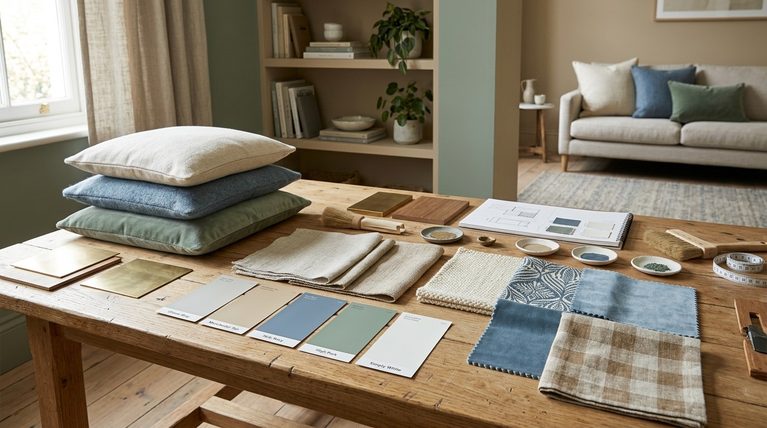
Color can do a lot of emotional heavy lifting in a new home. Even small changes can make a space feel warmer, calmer, or more familiar. You don’t need to repaint the whole house unless you want to. Start with easy updates like pillows, curtains, rugs, and bedding.
If a room feels cold or plain, bring in warm tones like soft terracotta, beige, olive, or muted gold. If it feels busy or stressful, use calmer shades like light blue, dusty green, or creamy white. Pay attention to natural light too. A color that looked cheerful in your old sunny apartment might look sleepy in a darker room.
Textures help just as much as color. A woven basket, linen curtains, or a chunky throw can make a space feel layered and relaxed. These pieces add comfort without requiring a full makeover.
Think about how you want each room to feel, not just how you want it to look. That shift helps you decorate for real life instead of for a photo. Your house does not need to be camera-ready. It needs to welcome you in.
Mix Old And New
The fastest way to make a new house feel personal is to bring your history into it. Familiar items create emotional shortcuts. That old lamp from your first apartment, your favorite framed print, or the slightly scuffed coffee table you almost gave away can help the new place feel connected to your life.
You don’t need all new decor to create a fresh start. In fact, mixing old and new usually looks better. A few updated pieces can wake up older favorites without making the space feel staged. Try pairing a sentimental chair with a new side table, or your existing dishes with a new table runner.
This approach also helps your budget breathe a little. You can shop slowly, check thrift stores, and wait for pieces that actually fit your space. Rushed decorating often costs more and means more do-overs.
A home with some age, some memory, and some personality feels richer than one filled with random trendy items. The goal is not “brand new.” The goal is “that feels like you.”
Create Small Routines
A house starts feeling like home when your daily habits settle in. Decor helps, but routines are what really stitch the place together. Once the basics are unpacked, create a few little rituals that make the space feel lived in.
Set up an entry table with a bowl for keys and a spot for mail. Make a coffee or tea corner that’s easy to use in the morning before your brain has fully clocked in. Put a small lamp in the living room and turn it on each evening instead of relying on harsh overhead lights that make everything feel like a dentist office.
You can also add tiny comfort cues. Light a candle after dinner. Open the curtains first thing in the morning. Play music while you tidy up. These simple habits tell your brain that this place is safe, familiar, and part of your normal life.
The truth is, homes rarely feel perfect overnight. They grow into comfort little by little. Give yourself time, keep things practical, and let your routines do some of the decorating work too.