The Hidden Design Secret: How Your AC Shapes Your Home Decor
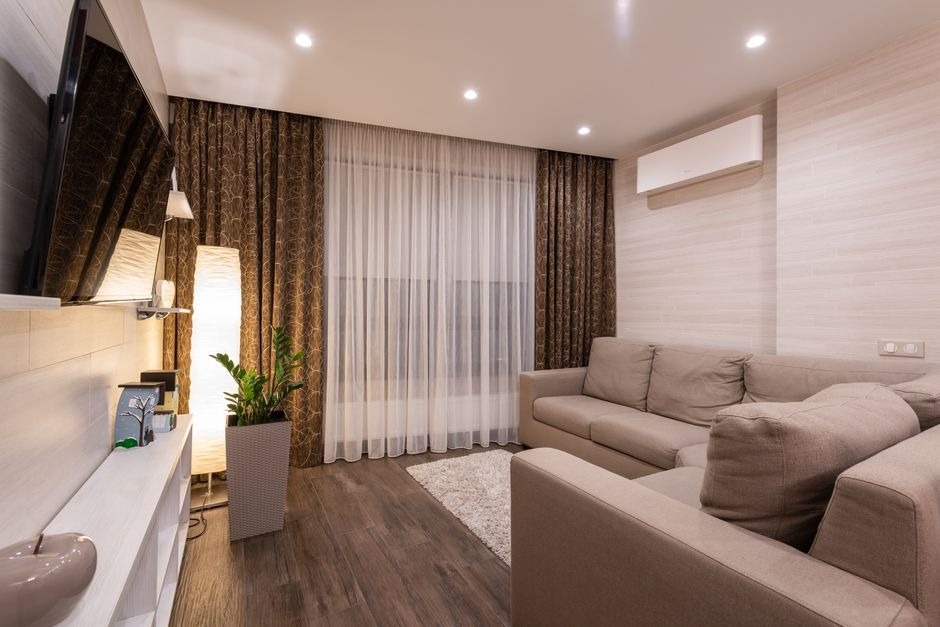
Your home decor can look flawless on paper and still feel off in real life. A room with gorgeous paint, layered textures, and carefully chosen furniture can quickly become uncomfortable if the temperature swings all over the place. Airflow, humidity, and cooling performance shape how your space looks, feels, and even ages over time. If you care about creating a home that feels polished rather than patchy, your HVAC system deserves as much consideration as your paint colors, lighting, and furniture layout.
Why Cooling Matters to Your Decor
When you think about home decor, your mind probably goes straight to color palettes, statement rugs, wall art, or the ongoing battle between open shelving and hidden storage. Fair enough. Still, your air conditioner quietly affects nearly every part of the room.
Poor cooling can leave certain corners hot and muggy, which makes fabrics feel damp and can shorten the life of materials like wood, wallpaper, and paint. Humidity can quietly damage finishes over time. It can cause bubbling paint, warped trim, and a general tired look that no throw pillow can rescue.
Comfort also changes how you use a room. A beautiful sunroom that feels like a toaster by noon becomes wasted square footage. A bedroom with weak airflow can ruin sleep, and tired people rarely make great decor decisions.
Temperature control supports the visual side of design too. Window treatments, furniture placement, and even candle storage work better when the room stays stable. Interior style is not only about what you see. It is also about what your home lets you enjoy without constantly fiddling with a thermostat.
Signs Your AC Is Affecting Your Home
Some AC issues announce themselves with drama: strange noises, warm air, water leaks, or an energy bill that suddenly acts like it has champagne taste. Others are quieter and easier to miss, especially if you are focused on decorating instead of ductwork.
Start with uneven cooling. If your living room feels fine but your hallway feels sticky, your system may be struggling with airflow, duct issues, or a failing component. That kind of imbalance can affect moisture levels across different areas of the house.
Next, pay attention to dust. If surfaces get dusty right after cleaning, your filter, ducts, or blower may need attention. Decor lovers know the pain of styling a shelf only to watch it collect fuzz two hours later.
Musty smells are another red flag. That odor can point to mold or mildew in the system, often tied to excess moisture. It is not only unpleasant. It can also affect air quality and make soft furnishings hold onto odors.
You should also notice how often the system cycles. If it turns on and off constantly, it may be oversized, malfunctioning, or struggling to maintain the set temperature. None of that helps your comfort, your finishes, or your utility bill.
How AC Repairs Protect Your Home and Decor
A lot of people delay AC repairs because the system is still technically running. It blows air, so it must be fine, right? Not always. A half-working system can create a slow-motion maintenance problem across your home.
Excess humidity is a major issue. It can soften caulk lines, encourage mildew in bathrooms, and make painted walls look dull faster. If you have invested in peel-and-stick wallpaper, vintage wood furniture, or textured finishes, unstable moisture levels can be especially unkind.
Repair timing matters too. Waiting until a heat wave hits usually means longer service queues and more stress. If you notice weak airflow, warm spots, or moisture near vents, scheduling local air conditioner repair at the first sign of trouble can help you avoid bigger damage and more expensive repairs.
This is also part of smart home ownership, not just emergency response. Small issues like a clogged drain line or failing capacitor may seem minor, but they can affect system efficiency and strain other components. That means more wear, less comfort, and a higher chance that your home starts feeling off even when it still looks great in photos.
Design Choices That Support Better Cooling
You do not need to become an HVAC technician to make design choices that support better cooling. A few practical adjustments can help your rooms stay comfortable while protecting the look you worked hard to build.
First, check vent placement before arranging furniture. Blocking a supply vent with a sofa, bench, or oversized plant can reduce airflow and create uneven temperatures. That dramatic fiddle-leaf fig may be photogenic, but it should not choke the room.
Use curtains strategically. Blackout panels can reduce heat gain in sunny rooms, especially on west-facing windows. Lighter fabrics help maintain brightness without trapping as much warmth near the glass. If a room always runs hot, your fabric choices are doing more than styling the mood.
Rugs also play a role. In some spaces, they add comfort and absorb sound, but thick rugs layered wall to wall can make a room feel warmer. In already stuffy rooms, balance softness with breathability.
You should also keep return vents clear. These are easy to overlook because they are not glamorous. Still, if they are blocked by cabinets or decor, your system has to work harder. Good design should support function, not quietly sabotage it.
Simple Habits for Lasting Comfort and Style
The best home maintenance routines are the ones you can actually stick with. You do not need an overly complicated maintenance routine. You just need a few habits that keep your system from drifting into chaos.
Change filters on schedule. A dirty filter restricts airflow, spreads dust, and forces the system to work harder. If you have pets, allergies, or ongoing renovation dust, you may need to replace it more often than the standard recommendation.
Keep an eye on indoor humidity. If rooms feel sticky even when cool, consider using a hygrometer. Ideally, indoor humidity should stay in a moderate range. Too much moisture can affect paint adhesion, wood stability, and overall comfort.
Clean around vents and registers when you dust. It takes a minute and can prevent buildup that gets recirculated through the room. While you are at it, check for discoloration near vents, which can signal condensation or airflow issues.
Schedule seasonal HVAC maintenance before peak summer demand if possible. Preventive service often catches worn parts, drainage problems, or refrigerant issues early. That means fewer interruptions, steadier comfort, and a better shot at keeping your home looking as fresh in August as it did in spring.
Where Style Meets Comfort
A beautiful home should do more than impress at first glance—it should feel comfortable every day. If your home is too humid, too dusty, or never quite reaches the right temperature, even the most thoughtfully designed space can lose its appeal.
A well-maintained HVAC system helps preserve the details that make your home feel polished, from smooth paint finishes and well-kept furniture to fresh bedding and balanced indoor air. It also protects the time, effort, and investment you’ve made in creating a space that reflects your style.
Rather than treating your AC as an afterthought, consider it an essential part of your home’s overall design and upkeep. Regular maintenance and timely repairs help create a more comfortable living environment while supporting the longevity of your decor and finishes.
When your cooling system performs as it should, your home not only looks its best but feels inviting in every season. After all, great interior design isn’t just about appearance—it’s about creating a space that’s beautiful, comfortable, and enjoyable to live in every day.