Smart Ways to Maintain Household Plumbing
Taking care of domestic pipes keeps daily household routines running without unexpected disruptions. Proper care prevents costly emergency repairs and preserves the structural integrity of your water infrastructure.
Simple daily habits often make significant long-term differences in daily drainage performance. Paying attention to early signs of wear keeps water moving freely through every fixture in your home.
Preventing Blockages in Kitchen and Bathroom Fixtures
Keeping grease, cooking oils, and heavy debris out of your drains prevents stubborn build-ups from forming. Simple drain strainers trap hair and food particles before they travel deep into your pipe system. Clearing these strainers daily keeps wastewater moving without unnecessary restriction.
Homeowners often need external support when severe clogs impact daily household activities. Booking professional blocked sink services in Sydney or elsewhere can restore full flow and protect your drainage system from further structural strain. Relying on experts clears tough obstructions without damaging internal pipe walls.
Regular rinsing with hot water helps clear residual soap scum and light organic buildup. Consistently practicing this cleaning habit maintains clear pathways for wastewater every single day. Pouring hot water down basin outlets prevents grease from cooling and hardening inside lines.
Monitoring Water Pressure and System Strain
High water pressure places unnecessary stress on household pipe joints and internal fixture valves. Monitoring municipal pressure levels prevents sudden leaks and extends the operational life of household fixtures. Maintaining moderate flow protects delicate internal seals from premature degradation.
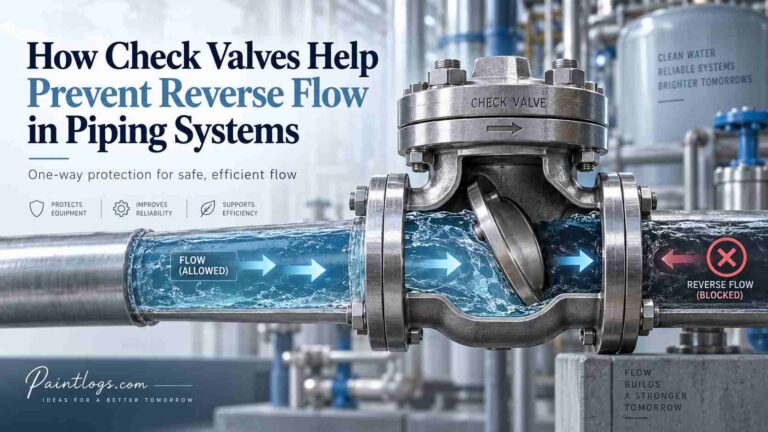
Installing a dedicated pressure-reducing valve keeps fluid flow within safe operational ranges. Household systems perform much better when water moves at balanced rates across every floor. These simple valves absorb sudden pressure spikes before they cause pipe damage.
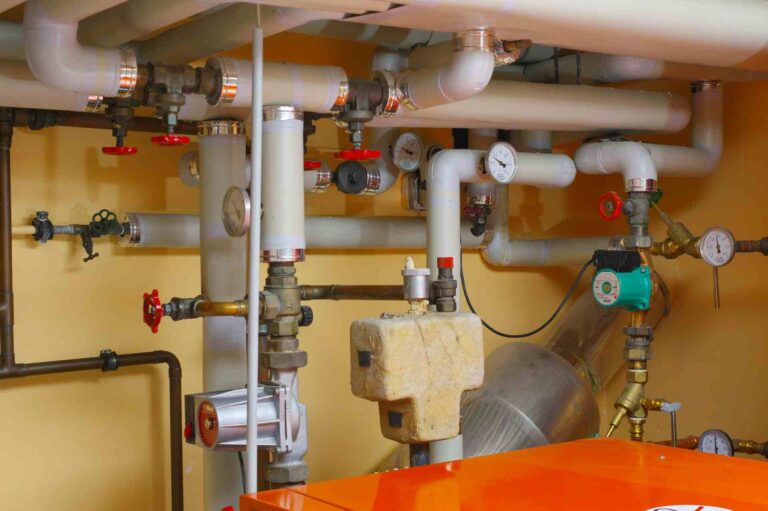
Regular checks on pressure gauges help identify internal surges before severe pipe ruptures happen. Adjusting pressure valves early saves significant money on fixture replacements and emergency repairs. Keeping pressure balanced reduces continuous stress on home supply lines.
Managing Wastewater Systems and Septic Tanks
Wastewater systems demand periodic inspections to remain safe and operational over extended periods. Ignoring early signs of drainage failure leads to major backup issues across your property. Timely maintenance prevents foul odors and costly soil contamination around your yard.
According to public health guidelines for wastewater systems, slow-draining sinks often indicate that a septic system is not functioning properly. Addressing slow drainage immediately helps prevent complete system failures and hazardous wastewater overflows. Prompt attention protects both household hygiene and outdoor soil health.
Professional inspections identify heavy sludge build-up before wastewater backs up into domestic living spaces. Regular pumping schedules confirm your entire disposal setup functions safely under heavy daily use. Scheduling regular pump-outs extends the lifespan of your septic tank.
Understanding Drain Contamination Risks
Drain line maintenance involves more than just keeping water moving smoothly through household pipes. Biological build-up inside plumbing fixtures creates hidden health hazards for home environments. Understanding how germs spread through plumbing fixture outlets keeps your living area safe.
Medical research from health toolkits highlights that sinks and other drains can easily become contaminated with multidrug-resistant organisms. Keeping sink drains sanitized limits the spread of harmful bacteria around sink basins and counters. Sanitizing these outlets stops microbial colonies from expanding into active living spaces.
Regular cleaning routines reduce organic matter where bacteria thrive inside drainage traps. Disinfecting drain openings creates a cleaner environment for daily washing activities. Clean drain lines protect household members from exposure to airborne pathogens.
Inspecting Visible Pipes for Corrosion
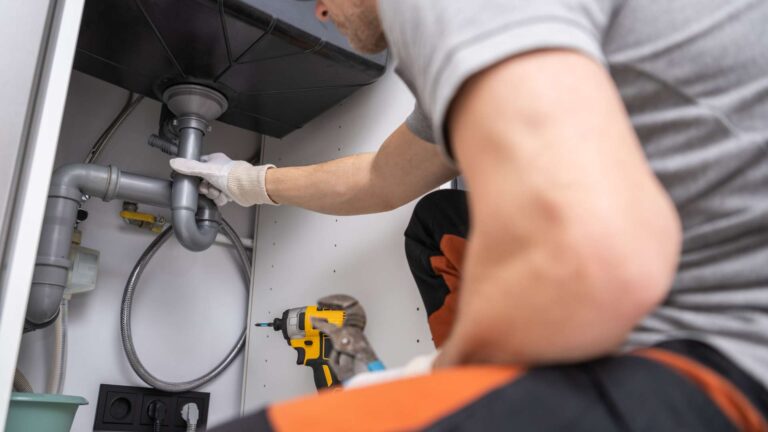
Exposed pipes under sinks and in basements require regular visual checks for early signs of decay. Rust spots, discoloration, and small water droplets signal deteriorating metal or loose connections. Catching these early indicators prevents sudden pipe wall breaches in hidden utility spaces.
Regular inspection points cover several key household locations.
- Checking connection points beneath kitchen sinks for dampness
- Examining exposed basement lines for visible rust patches
- Testing shut-off valves to confirm smooth operational movement.
Replacing worn fittings before complete failure prevents sudden indoor flooding emergencies. Small proactive fixes keep your complete plumbing system operating smoothly for many years. Regular upkeep saves thousands of dollars in water damage restoration costs.
Protecting Pipes During Extreme Weather Changes
Sudden temperature drops cause standing water inside uninsulated pipes to freeze and expand rapidly. Insulating exposed outdoor spigots and unheated indoor lines guards against costly structural bursts. Proper insulation sleeves trap heat and maintain stable fluid movement during severe cold snaps.
Allowing faucets to drip slowly during severe cold spells relieves internal pressure within supply lines. Open cabinet doors under sinks let warm room air circulate around hidden pipes. Simple steps keep water moving and prevent hard ice blockages from forming.
Seasonal checks verify winter insulation remains intact and dry before colder weather sets in. Simple seasonal prep protects your property against catastrophic pipe ruptures. Taking time for seasonal maintenance protects your plumbing during extreme thermal shifts so lines stay crack-free.
Establishing Routine Plumbing Inspection Schedules
Scheduling annual professional plumbing evaluations uncovers hidden issues before they escalate into costly emergencies. Trained technicians use diagnostic tools to inspect lines hidden deep inside walls and foundations. Comprehensive checks locate slow leaks before they damage surrounding building materials.
Detailed home inspections locate minor hairline cracks and hidden leaks early in their development. Maintaining a written log of repairs helps track pipe longevity and system upgrades. Detailed records make it easier to plan future plumbing updates before failures happen.
Consistent professional maintenance preserves property value and maintains reliable water delivery every day. Investing in routine checkups offers peace of mind for every homeowner. Proactive care helps your entire water system operate efficiently for decades.
Consistent plumbing maintenance protects your property against unexpected damage and preserves daily comfort. Adopting simple inspection routines keeps household water systems operating smoothly year after year.
Taking proactive steps today prevents costly repairs and safeguards the long-term value of your home. Clear drains and balanced pressure confirm your living space stays clean and functional.