When Your Roof Starts Affecting Comfort and Appearance
Fairfield homeowners know their roofs deal with everything from heavy rain and seasonal storms to changing temperatures throughout the year. Over time, those conditions can affect both how a home looks and how comfortable it feels inside.
Your roof does more than sit on top of your house like a giant hat. It influences curb appeal, protects against the weather, and helps keep your home comfortable year-round.
What Your Roof Says About Your Home
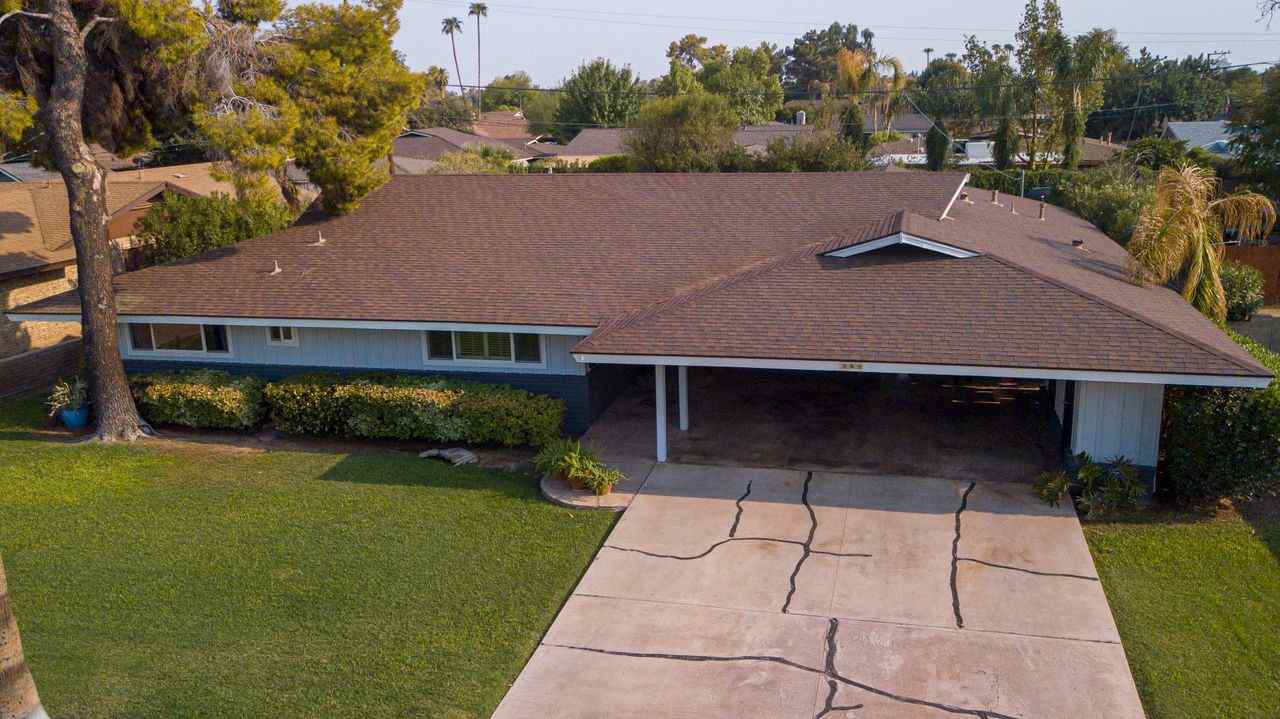
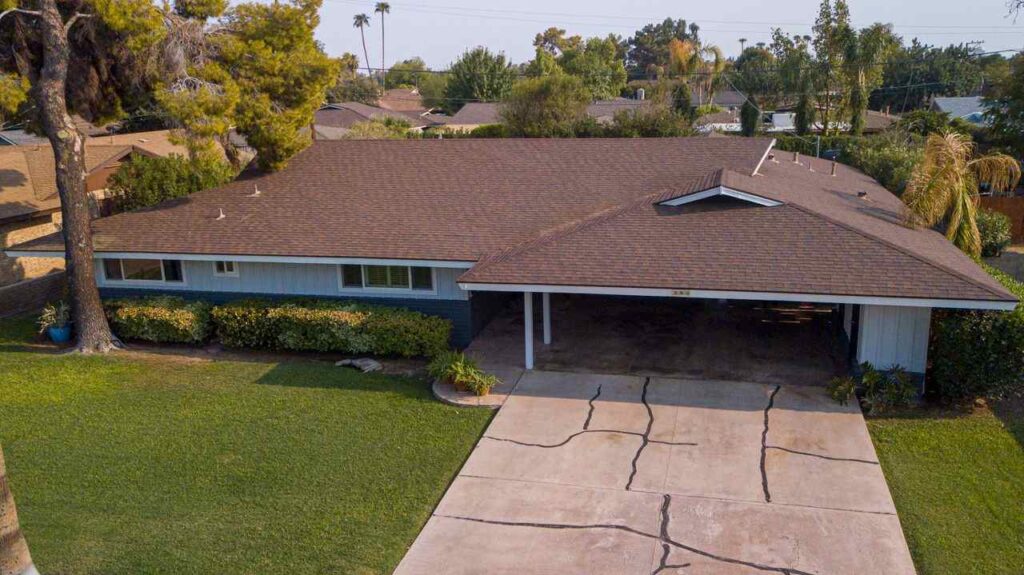
When people talk about home style, they usually jump to paint colors, porches, or fancy planters. The roof gets ignored, which is a bit funny because it takes up a huge chunk of what you see from the street. If it looks worn, patchy, or saggy, the whole house can seem older than it really is.
Looks aren’t the only issue. A roof also hints at how well your home is holding up against rain, wind, and heat. If you live in the area and aren’t sure whether your roof needs repairs or a full replacement, speaking with a roofing company Fairfield homeowners trust for inspections and practical recommendations can help you make a more informed decision.
Think of your roof like the cover of a book. It sets expectations. A clean, solid roof makes the rest of the house feel cared for, even before someone steps inside.
How Roof Damage Affects Curb Appeal
You can spot a lot from your driveway without climbing a ladder or risking a cartoon-style wobble. Start by stepping back and looking at the roof as one whole surface. Does it look even? Are there dark streaks, curling edges, or missing shingles that catch your eye right away?
Color fading is another clue. If one area looks much lighter or darker than the rest, it may be aging unevenly. Moss or algae can also change the look of the roof and make the home seem neglected, even when the siding and yard are tidy.
Check the roofline too. A dip or sag can affect the shape of your home in a big way. It makes the exterior look off-balance. Flashing around chimneys and vents matters as well. If those spots look rusty or lifted, the roof may be waving a tiny red flag.
A good rule is simple. If your eyes keep landing on the roof for the wrong reasons, it probably deserves a closer look.
How Your Roof Affects Indoor Comfort
Roof trouble doesn’t stay outside politely. It often shows up indoors in ways that seem random at first. Maybe one bedroom gets stuffy in summer while another feels chilly in winter. Maybe your upstairs sounds louder during rain, or the hallway ceiling feels cooler than the rest of the house.
These changes can happen when roofing materials wear down or when moisture affects the layers beneath them. A roof helps protect insulation and ventilation, both of which play a big role in indoor comfort. When something is off top, your heating and cooling system often has to work harder.
You might also notice small drafts near attic access points or rooms below older roof sections. Some families first suspect the windows, then discover the roof is part of the puzzle. Every part of your home works together. If one part struggles, the others end up doing extra laps.
Comfort issues aren’t always dramatic, but they can be steady little annoyances that add up over time.
Small Roof Problems Can Grow Quickly
A tiny roof problem has a sneaky personality. It rarely arrives with cymbals and fireworks. More often, it begins with one loose shingle, a small gap near flashing, or a bit of trapped moisture after heavy weather. That doesn’t sound serious until it keeps happening.
Water has a way of traveling through a home. A stain on your ceiling may not sit right below the actual source of the leak. Moisture can move along wood, insulation, and support structures before it finally shows its face. By then, the repair may involve more than one simple patch.
You may also deal with:
- Ceiling spots or peeling paint
- Damp attic insulation
- Musty smells after rain
- Higher energy bills
- Wood rot around roof edges
None of these problems are fun, and all of them get more expensive when ignored. The frustrating part is that the early signs often seem harmless. That’s why regular roof checks matter. Catching a problem while it’s still small can save you from a much bigger home headache later.
Balancing Style and Protection
If your roof needs attention, it helps to think beyond basic repair. This is also a chance to consider how the roof fits your home’s overall style. The best choice usually balances appearance, durability, and what makes sense for your climate.
A dark roof can make a light-colored house feel grounded and crisp. A softer gray or brown can warm up brick, stone, or neutral siding. Texture matters too. Some roofing styles look sleek and simple, while others add more depth and character.
Still, pretty shouldn’t be the only goal. The roof has a job to do. Wind resistance, lifespan, maintenance needs, and heat performance all matter. A style that looks perfect on one house may be wrong for another if it doesn’t suit the structure or the weather.
It helps to look at the whole exterior as one picture:
- Siding color
- Trim and shutters
- Brick or stone tones
- Gutters and fascia
- Landscaping around the home
When those pieces work together, your home feels polished without trying too hard.
Take Action Before Problems Grow
You don’t need to panic every time you see a streak or a loose shingle. You just need a plan. Start by walking around your home and taking photos of anything that looks off. Make notes after storms if you notice debris, gutter overflow, or new interior spots on ceilings.
If your attic is easy to access, take a quick look during daylight. Watch for damp areas, musty smells, or beams of light where they shouldn’t be. Then gather your questions before talking with a roofing professional. Ask what problem they see, how urgent it is, and whether repair or replacement makes more sense for your home’s age and condition.
A thoughtful approach beats guesswork every time. Your roof isn’t just a shell overhead. It shapes curb appeal, protects comfort, and helps your home age gracefully. When you pay attention to early signs, you give yourself more choices, fewer surprises, and a better chance of keeping your home both stylish and sturdy. Paying attention to early warning signs helps you protect your investment, improve comfort, and keep your home’s exterior looking its best for years to come.