Keeping leftover paint is handy for touch-ups, but paint doesn’t last forever. Over time, paint can expire or go bad, especially if it’s not stored properly. How long paint remains usable depends on whether the can has been opened, the type of paint (latex, acrylic, oil-based, etc.), storage conditions, and even where the paint was applied (interior vs. exterior surfaces).
This guide will answer common questions in simple terms – like how Long Does Paint Last? How long unopened or opened paint lasts, how different paint types compare, how long a paint job endures on walls or siding, how long paint fumes linger, and how to tell if your old paint is still good to use. We’ll also share expert tips on storing paint to extend its shelf life, and what to do when it’s time to throw paint away and dispose of it safely.
Let’s dive in, so you can avoid smelly, clumpy paint surprises and get the most out of your leftover paint.
Paint Shelf Life at a Glance: Unopened vs. Opened
Unopened cans of paint can last for years if stored correctly. In general, water-based paints like latex or acrylic can stay good for up to 10 years unopened, and oil-based paints can last as long as 15 years unopened.
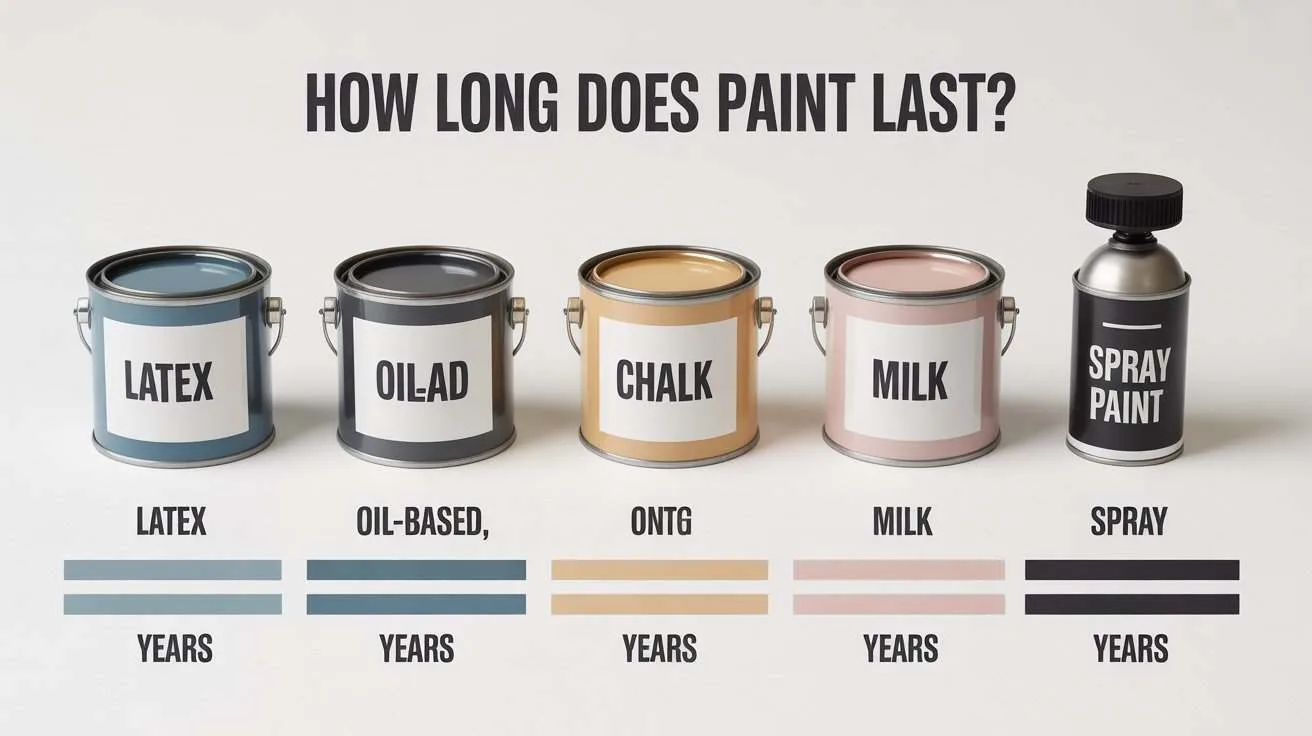
Once you pop the lid, however, the clock ticks faster – opened paint may only last a couple of years under good conditions. Air exposure introduces bacteria and begins the drying process, so an opened can’s shelf life is much shorter. Below is a comparison of different paint types and how long they typically last:
| Paint Type | Unopened Shelf Life (stored properly) | Opened Shelf Life (re-sealed & stored) |
|---|---|---|
| Latex / Acrylic (Water-Based) | ~10 years | ~2–5 years |
| Oil-Based / Alkyd | ~15 years | ~5–10 years (if tightly sealed) |
| Chalk Paint | ~1–3 years | ~1 year (may thicken) |
| Milk Paint (pre-mixed) | ~3–5 years | Use immediately (mixed milk paint spoils in 1–7 days) |
| Spray Paint (Aerosol) | 2–5 years (some cans last longer) | ~2–3 years (once opened, if nozzle kept clean) |
Shelf life assumes paint is stored in a cool, dry place and kept sealed. Always check old paint before use.
As the table shows, latex or acrylic house paint (water-based) is typically usable for about a decade if unopened. Oil-based paint naturally lasts longer due to its slower drying oils – up to 15 years unopened. Spray paints in sealed aerosol cans can remain good for a few years; in fact, one source notes an unopened spray can may last “indefinitely” if it still sprays when shaken. However, it’s wise to assume a 2–5 year useful life for spray paint, as the propellant can leak or the nozzle can clog over time.
Once a can is opened, paint starts degrading faster. Opened latex paint can last about 1–2 years on average before it might spoil. Some paint pros report that well-sealed, half-full cans of paint can remain usable for up to 3–5 years, but this is the exception rather than the rule. Two years is a good rule of thumb for opened latex paint stored properly.
Oil-based paint is more resistant to bacteria and skinning, so an opened can of oil paint can often last several years (even up to 10 years) if sealed tightly. Chalk paint (a specialty matte furniture paint) has a shorter shelf life – often about 1 year according to its manufacturers. And milk paint, which is made from natural ingredients like milk proteins and lime, spoils very quickly once mixed with water – it should be used within a day or two of mixing (or up to a week if refrigerated).
Why do unopened paints last so much longer?
A factory-sealed can has not been exposed to air or contaminants, so the ingredients remain stable (though they will separate over time). Once opened, air introduces microbes and begins a mild curing process, eventually leading to a sour smell or skin on the paint as it ages. Additionally, every time you open the can, solvents can evaporate and the paint may thicken.
In short: If your paint can has never been opened, there’s a good chance it’s still good even after many years – unless it was stored in extreme conditions. But after opening, try to use up the paint within a couple of years for best results. Next, we’ll look at each paint type in detail and how to tell if that old can is still okay to use.
How Long Do Different Paint Types Last?
Different paints have different shelf lives and durability. Let’s break down the main types of paint – latex (acrylic), oil-based, and specialty paints like spray, chalk, or milk paint – and how long you can expect each to last.
Latex (Water-Based) Paint
Latex paint, also called acrylic latex or simply “acrylic” paint, is the most common house paint for walls and ceilings. It’s water-based and known for easy cleanup and low odor. Unopened latex or acrylic paint can last about 10 years in storage under proper conditions. In fact, one expert notes “unused latex and water-based acrylic paints last up to 10 years” when sealed..
Once you open a can of latex paint, however, its lifespan is shorter. Opened latex paint generally stays good for about 2 years. Some sources suggest it might last up to 5 years if the can is nearly full and tightly resealed – the less air inside, the better. But as a rule of thumb, plan on around 2 years for opened latex. Over time, opened latex paint can develop bacterial growth (causing a foul smell) or dry out into clumps or a rubbery skin.
Why the wide range (2–10 years) for latex paint?
Storage conditions make a big difference. Extreme heat or freezing cold can ruin latex paint even in a sealed can. If latex paint freezes (which can happen around 32°F), its components can separate like “cottage cheese” and become unusable. High heat (above ~90°F) can dry it out or encourage mold. That’s why proper storage (more on that later) is crucial to hit the high end of its shelf life.
In summary, latex paint lasts longest unopened (up to a decade). Use opened latex paint within a couple of years for best results. Always test old latex paint before committing it to your walls (we’ll explain how to test it further below).
Oil-Based Paint
Oil-based (alkyd) paint uses oil or alkyd resin as a binder and takes longer to dry. Oil paints have the longest shelf life. An unopened can of oil-based paint can last 15 years or more and still be good. The oils don’t spoil easily and the pigments remain well suspended if unopened (though they will settle at the bottom).
Even after opening, oil-based paint is less prone to going bad quickly. If stored properly (sealed up and kept in a stable environment), an opened can of oil paint can last around 5-10 years. Sherwin-Williams notes that oil-based paints “are less susceptible to going bad and can last up to 15 years” if stored well.
You may find a thick film (“skin”) on the top of old oil paint – this is dried paint that you can peel off and discard. Once you remove the skin, stir the remaining oil paint thoroughly. Oil paint’s heavy pigments settle densely at the bottom, so it might take several minutes of mixing to get a smooth consistency again.
Pro tip: When reusing old oil paint, check for a rancid odor or chunky texture. Good oil-based paint will smell like paint or solvent, while bad oil paint might smell rotten (similar to bad latex paint) and show clumps that don’t mix in. If the liquids and solids refuse to recombine after thorough stirring, or if there’s a hardened layer throughout, the paint has likely degraded.
In short, oil-based paint is very hardy – it can last many years longer than latex. Painters have been known to successfully use oil paint a decade old. But always inspect and stir old oil paint well. If it looks smooth and normal after stirring and has no foul smell, it’s probably fine to use.
Spray Paint (Aerosol)
Spray paints (the kind in aerosol cans) have a different lifespan because they are stored under pressure. Most spray paints are oil-based or lacquer-based. Manufacturers often estimate spray paint shelf life at 2–3 years for a previously opened can and maybe 5 years or so for an unopened can in ideal storage. Sherwin-Williams advises that spray paint, stored properly, can last about 2 to 5 years.
Interestingly, because an unopened aerosol can is sealed airtight, some experts say it “can last indefinitely” as long as the can remains pressurized and intact. The key is whether it will still spray: over very long periods the propellant might leak out or the valve could gum up. So practically, count on a few years of shelf life for spray paint. If the can still sprays when you shake and test it, the paint inside is likely still good to use.
After using a spray paint can, it’s important to clear the nozzle (by spraying upside-down for a second) before storage. A clogged nozzle or loss of pressure will render the remaining paint unusable, no matter how good the paint itself is. So, while the paint formula in an opened spray can might last a couple years, the can could fail mechanically sooner.
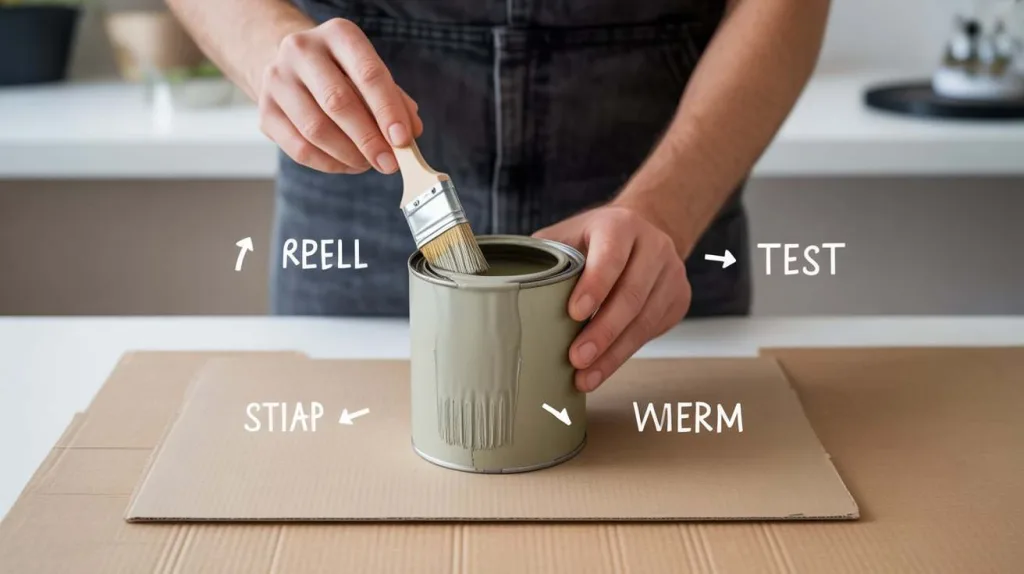
To be safe, use your spray paints within a few years. If you find an old can, test it on cardboard: if it sprays evenly and the paint isn’t clumpy, it’s fine. If it sputters or comes out in globs, the can or paint has likely degraded.
Chalk and Milk Paint (Specialty Paints)
For completeness, let’s mention chalk paint and milk paint, since DIYers use these for furniture and crafts:
- Chalk paint (a decorative matte paint popular for furniture refinish) has a shorter shelf life than regular wall paint. Unopened chalk paint might last 1–3 years, but once opened or after some time, it often thickens or develops lumps within a year or so. Annie Sloan, a major chalk paint brand, suggests one year is typical, though sometimes it can last a bit longer. Chalk paint doesn’t form a solid skin like latex, but it can become very thick. Some users can revive slightly thick chalk paint by stirring in a tiny bit of water, but if it’s extremely lumpy or grainy, it’s time to toss it.
- Milk paint is sold as a powder or premixed; it’s all-natural (made from milk protein, lime, and pigment). Powdered milk paint (unmixed) can last indefinitely in storage, but once mixed with water, milk paint spoils fast. In fact, mixed milk paint is often only good for a day or two of use – it will start to smell sour as bacteria grow (similar to actual spoiled milk!). Some premixed commercial milk paints have additives to last longer unopened – General Finishes recommends using theirs within a year, or 3–5 years unopened. But as a rule, do not try to store mixed milk paint; any leftovers should be discarded after you finish your project.
How Long Does Paint Last on Walls and Other Surfaces?
So far we’ve talked about paint in the can, but how about paint on your walls or house exterior? A paint job doesn’t last forever either. The lifespan of paint on a surface depends on whether it’s an interior or exterior surface, the material being painted, the quality of paint, and environmental conditions. Here’s a breakdown:
Interior Walls and Ceilings
Indoors, paint can last a long time on the walls – often 5 to 10 years or more before you might repaint. Interior paint isn’t exposed to rain or UV sunlight, so it doesn’t peel or fade as quickly as exterior paint. Many homeowners repaint for decor reasons (changing color, refreshing a room) rather than because the paint failed.
In fact, experts suggest repainting interior rooms every 5–10 years just to keep them looking fresh. High-traffic areas like hallways or kids’ rooms might show scuffs and need repainting on the earlier side (closer to 3–5 years), whereas ceilings or low-use rooms can easily go over a decade without repainting.
That said, interior paint can “age” in ways you might notice over time:
Fading or yellowing:
Bright sunlight over years can fade vibrant wall colors. White paints can yellow slightly with age, especially oil-based enamels.
Wear and tear:
Areas behind furniture, near vents, or in kitchens (grease, smoke) might discolor. Flat paint might become dull from cleaning or polishing.
Paint odor:
Generally, once cured, old interior paint doesn’t continue to smell. If you still detect paint odor months later, it could be due to poor ventilation or very high VOC paint (most modern interior paints have low odor).
Good interior paint jobs can last a decade or more if the surfaces remain in good condition. If your walls still look good and the color works, there’s no strict “expiration date” on the wall. Repaint when you see peeling, heavy scuffing, or simply want a new look.
Exterior Paint (Home Siding, Brick, etc.)
Exterior paint has a tougher job – it faces sun, rain, wind, and temperature swings. How long an exterior paint job lasts varies by material:
Wood siding (or wood trim):
Wood expands, contracts, and holds moisture, so paint on wood tends to need more frequent repainting. A quality paint job on wood siding might last around 5–7 years in harsh climates, up to 10 years in milder conditions. In some cases, exposed south-facing wood might need touch-ups even sooner (around 4 years) due to sun and weather.
Stucco or masonry:
Stucco, fiber-cement siding, and other masonry tend to hold paint better. Stucco can often go 7–10 years before repainting. Cementitious siding (like Hardie board) also can often reach 10 or more years if painted well.
Brick:
Painted brick can last a long time because brick is stable and paint adheres well. Brick exteriors can often go 15 years or more without needing a repaint. Some sources cite a range of about 15–20 years for paint on brick in optimal conditions. The mortar and texture hold paint for a long time, especially if using high-quality masonry paint.
Vinyl siding:
Vinyl is usually installed pre-colored and doesn’t require paint, but if you do paint vinyl siding (with a vinyl-safe paint), expect roughly 5–10 years of life from that paint job. High-quality exterior latex paint on vinyl, done properly, can last closer to 10-15 years in gentle climates. One key: choose a light color paint for vinyl – dark colors absorb heat and can cause the vinyl to warp or the paint to fail sooner.
Metal siding or gutters:
These can hold paint well if primed properly; you might get around 10 years, though rust can cause peeling if it develops.
Interior vs. Exterior Paint Formulas:
It’s worth noting that exterior paints are formulated differently – they have additives to resist UV rays, mildew, and temperature changes, which is why you generally shouldn’t use interior paint outdoors (it won’t last). Conversely, exterior paint used indoors isn’t ideal either (it may have more VOCs and won’t get the same kind of UV curing). For best results, use each paint in its intended environment.
Climate and exposure greatly affect exterior paint life. Bright sun (UV) can fade colors and break down paint binders (darker colors often fade faster). Frequent rain or coastal salt air can cause paint to deteriorate or mildew.
If you live in a mild climate, your exterior paint jobs will tend to last closer to the upper end of the range. Regular maintenance like cleaning the exterior, caulking gaps, and fixing any moisture issues can also extend the life of an exterior paint job.
In summary, exterior paint jobs typically last 5–10 years on average, depending on the surface:
- Brick or masonry: ~15 years or more before repaint.
- Wood siding: ~5-7 years (up to 10) before repaint.
- Vinyl siding (painted): ~10 years (possibly up to 15).
- Stucco: ~7-10 years.
- Metal: ~10 years (ensure rust is managed).
After those periods, you’ll notice fading, chalking (a powdery residue), cracking, or peeling, which are signs it’s time to refresh the paint. Always prepare the surface well before repainting; a well-prepped surface (clean, primed, dry) will help the new paint job reach its full lifespan.
Factors That Affect Paint Shelf Life
Several factors can shorten or extend how long your paint stays good in the can. Understanding these will help you store paint correctly:
Temperature Extremes:
Perhaps the biggest paint killer is improper temperature. Freezing ruins most latex paints – when frozen, the paint can separate into a chunky, cottage cheese texture that never fully recombines. High heat can dry out paint or encourage mold growth.
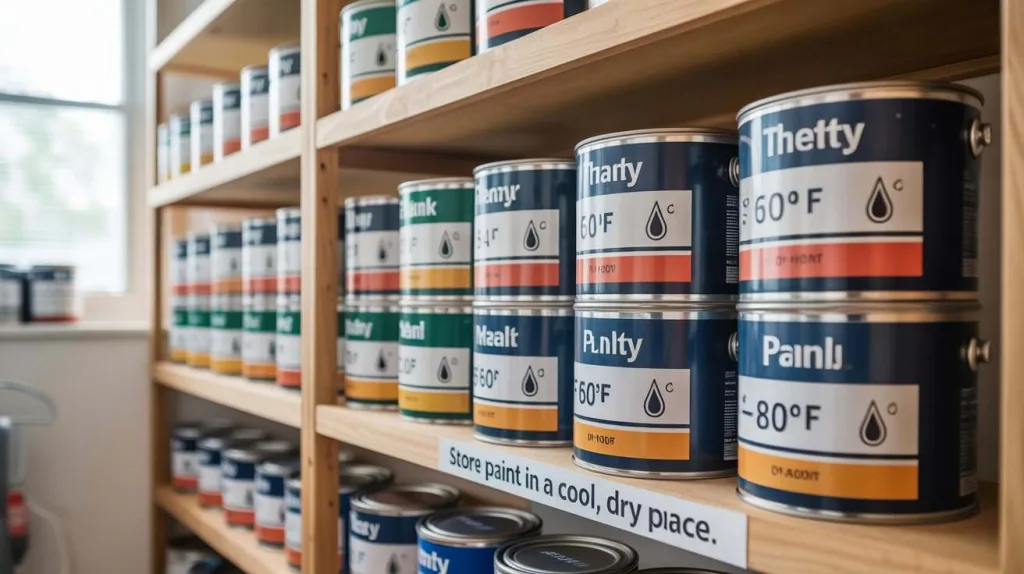
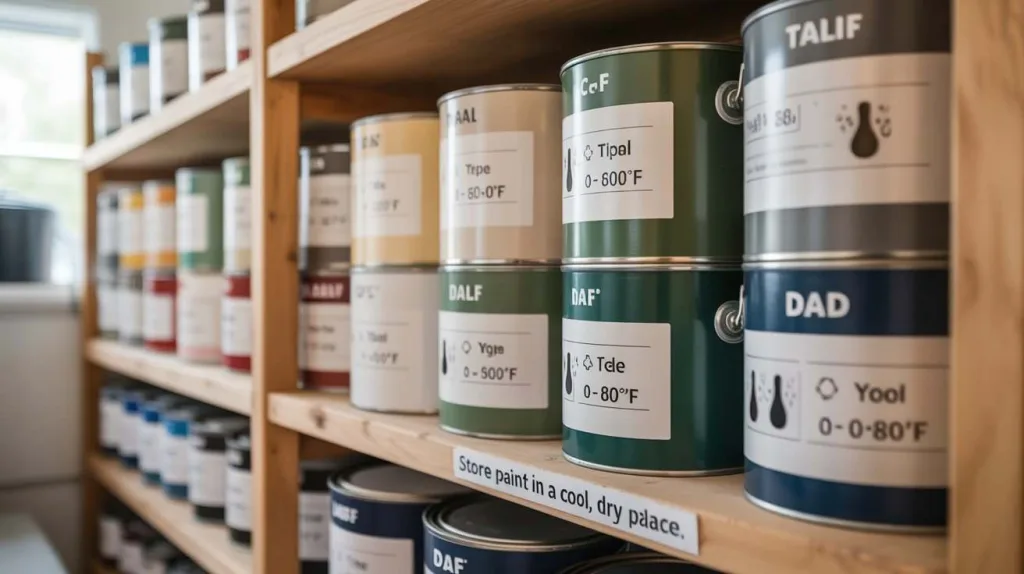
Ideal storage temperature is between 60°F and 80°F (16–27°C) for paint. Avoid letting cans sit in an unheated garage through winter freezes or in a hot attic in summer. Even unopened cans can spoil if repeatedly frozen or baked.
Air Exposure:
Oxygen and air exposure will dry out paint and can introduce bacteria. This is why opened paint doesn’t last as long – the air in the half-empty can begins a slow curing process. The more air space in the can, the greater the chance of it forming a skin on top or drying along the sides.
Partially full cans are at higher risk of going bad than full cans. If you’ve used half the paint, there’s a lot of air in that can feeding any microbes.
Contamination:
Introducing any contaminants will shorten paint life. Never dip a used paintbrush or roller directly into the storage can – you might transfer dirt or bacteria. Also, avoid pouring used paint back into the original can.
Even a tiny bit of dust, wood bits, or mold spores can bloom inside a closed can over time, causing that sour smell. Using clean tools and pouring paint into a tray for use (instead of working out of the can) helps keep the main can fresh.
Storage Conditions:
Beyond temperature, consider humidity and location. A damp basement floor can cause the can to rust (metal cans can rust from the bottom, letting air in). Store cans up off concrete, on a shelf or board.
Also keep paint out of direct sunlight; sun can heat the can and also degrade paint pigments. Consistency of environment is key – big temperature swings (hot day, cold night) can cause the can to breathe air in and out.
Sealing:
A tight seal is crucial. If the lid is not fully closed or if it’s dented, air can seep in slowly. Always clean the can rim and firmly hammer the lid closed after use. Some people even place plastic wrap under the lid for extra insurance (more on that in storage tips). A leaking can lid will dry out paint fast.
Age and Type of Paint:
As discussed, water-based paints (latex/acrylic) are more prone to bacterial growth and tend to have shorter shelf lives than oil-based paints. Also, older generation paints (e.g., old formulations from decades ago) might not last as long as modern paints. But generally, age itself isn’t fatal – paint stored well can surprise you and remain good far beyond expected times.
Still, after a certain point (say, 10-15 years), even if the paint is not “spoiled,” its performance can degrade (thickening, color change, or poorer adhesion). For example, old paint might not blend seamlessly or could have diminished coverage, which leads professionals to recommend buying fresh paint for big projects even if the old paint looks okay.
In summary, store paint in a stable, cool, dry environment with minimal air in the can. If you do that, you’ll maximize its shelf life.
FAQs
How long does unopened paint last?
Unopened paint lasts up to 10 years for latex or acrylic and around 15 years for oil-based, if stored in a cool, dry place . Avoid freezing or extreme heat, and always stir and test before using.
How long does paint last after opening?
Once opened, paint lasts 1–2 years for latex and up to 5 years for oil-based, if tightly sealed and stored at room temperature (sources: The Spruce, Sherwin-Williams). A sour smell or clumps means it’s gone bad.
Does paint expire or go bad?
Yes. Paint can spoil over time — bacteria cause a rotten smell, thick skin, or lumps. If it smells foul or won’t mix smooth, don’t use it.
How long does latex paint last vs. oil-based?
Latex paint: ~10 years unopened, ~2 years opened.
Oil-based paint: ~15 years unopened, ~5–10 years opened. Always check smell and texture before use.
What are signs paint has gone bad?
Bad smell, mold, skin on top, or chunky texture are the main signs (sources: Sherwin-Williams, Southern Living, This Old House). Paint should stir smooth and smell normal — otherwise, discard it.
Does paint go bad if it freezes or gets too hot?
Yes. Freezing ruins latex paint, making it lumpy, while heat dries or sours paint. Keep cans between 60°F and 80°F to prevent damage.
Is it okay to use old paint?
Yes, if it looks and smells normal. Stir and test it on cardboard — if it applies smoothly, it’s usable. Never use paint with mold, odor, or from before 1978 (possible lead).
How should I dispose of old paint?
For latex paint, dry it out with cat litter or paint hardener, then toss it in the trash once solid. Oil-based paint is hazardous waste — take it to a local drop-off or PaintCare site .