YOUR HOME IS COSTING YOU MORE THAN YOU REALIZE! Most homeowners don’t realize how much their homes are costing them. Your heating and cooling system runs 24/7, even when you’re not home. You’re heating a spare bedroom nobody uses. Your lighting wastes 75% of its energy. You’re wasting space you’re not using.
These aren’t minor problems. Over 10 years, inefficiency costs $20,000+. Wasted space reduces your quality of life and resale value.
2026 is when you stop paying for a home that doesn’t work and start building one that does.
YOUR TRANSFORMATION OPTIONS
| Upgrade | Cost | Savings | Payback |
| 2-Head Mini Split | $4,000-8,000 | $120-160/month | 5-8 years |
| Solar Electric Inverter | $5,000-12,000 | $100-150/month | 7-10 years |
| Cabinet Murphy Bed | $2,500-4,500 | Space value | Immediate |
| Smart Thermostat | $100-300 | $15-22/month | 1-2 years |
| LED Lighting | $300-800 | $16-22/month | 1-2 years |
| Flexible Shelving | $500-1,500 | Usable space | Immediate |
1 – THE ENERGY WASTE PROBLEM
Your HVAC system is your biggest energy cost. Most homes waste massive amounts of energy because traditional systems heat and cool your entire home equally, even rooms you’re not using.
The numbers tell the story. Your average energy bill runs $150 to $200 per month. Of that, 30-40% is wasted energy on empty spaces, that’s $540-960 per year going straight down the drain. Over 10 years, you’ve wasted $5,400-9,600 just because your system can’t adjust to how you actually live.
Traditional HVAC treats your entire house as a single system. You can’t cool your bedroom at night while heating your living room during the day. Older systems that are 10+ years old make it worse; they run at 60% efficiency instead of 90%+.
The solution is zone-based climate control. A 2 Head Mini split lets you:
- Control temperature independently by zone
- Heat the bedroom at night, cool the living room during the day
- Leave empty spaces alone
- Reduce energy use by 30-40%
- Get payback in 5-8 years, then pure savings for a decade
- Eliminate hot and cold spots throughout your home
Installation takes 1-2 days. You see savings on your next energy bill. Get a quote from local HVAC providers and understand precisely how much you’re currently wasting.
2 – THE ENERGY INDEPENDENCE PROBLEM: YOU’RE PAYING FOR POWER YOU COULD GENERATE
Your energy bill keeps rising because utility companies control your costs. Rates increase 3-5% annually. In 10 years, your $200 bill becomes $250 or more. In 20 years, it could double. You’re locked into a system where you can’t control costs. The utility company sets rates. You pay. You have zero leverage.
You’re dependent on grid electricity with no control over price increases. Energy prices only go up. There’s no protection against future rate hikes. You’re at the mercy of external forces completely outside your control.
The solution is to generate your own power. A solar system with a solar electric inverter converts sunlight into electricity that you use immediately. You get:
- Energy independence (you generate your power)
- Predictable costs (zero increase from utilities)
- Protection against rate increases forever
- 7-10 year payback, then basically free electricity
- 25+ year system lifespan
Here’s the real scenario: If you have an efficient mini split, your home uses less power. That means you need a smaller, cheaper solar system. Payback becomes 7 years instead of 12. Then you’re generating basically free electricity for 20+ years. That’s $26,400 in savings over two decades, even with rising utility rates.
Get a solar assessment. Most are free. You’ll know the exact payback timeline for your specific home and location.
3 – THE SPACE PROBLEM: YOU’RE PAYING TO HEAT AND COOL ROOMS YOU DON’T USE
Most homes have dead space. A guest bedroom is empty 50 weeks a year. A spare office you never use. Space that costs money but delivers no value. You’re heating and cooling rooms that sit empty while feeling cramped elsewhere.
That average guest bedroom is 200+ square feet. You’re paying $200-300 annually to condition it. Over 10 years, that’s $2,000-3,000 for a room you use 2 weeks per year. That’s brutal math.
Homes are built for static use. You have a guest bedroom “just in case.” It sits empty 350 days a year. You’re paying for it constantly. Meanwhile, you feel cramped because your actual living space is inefficient.
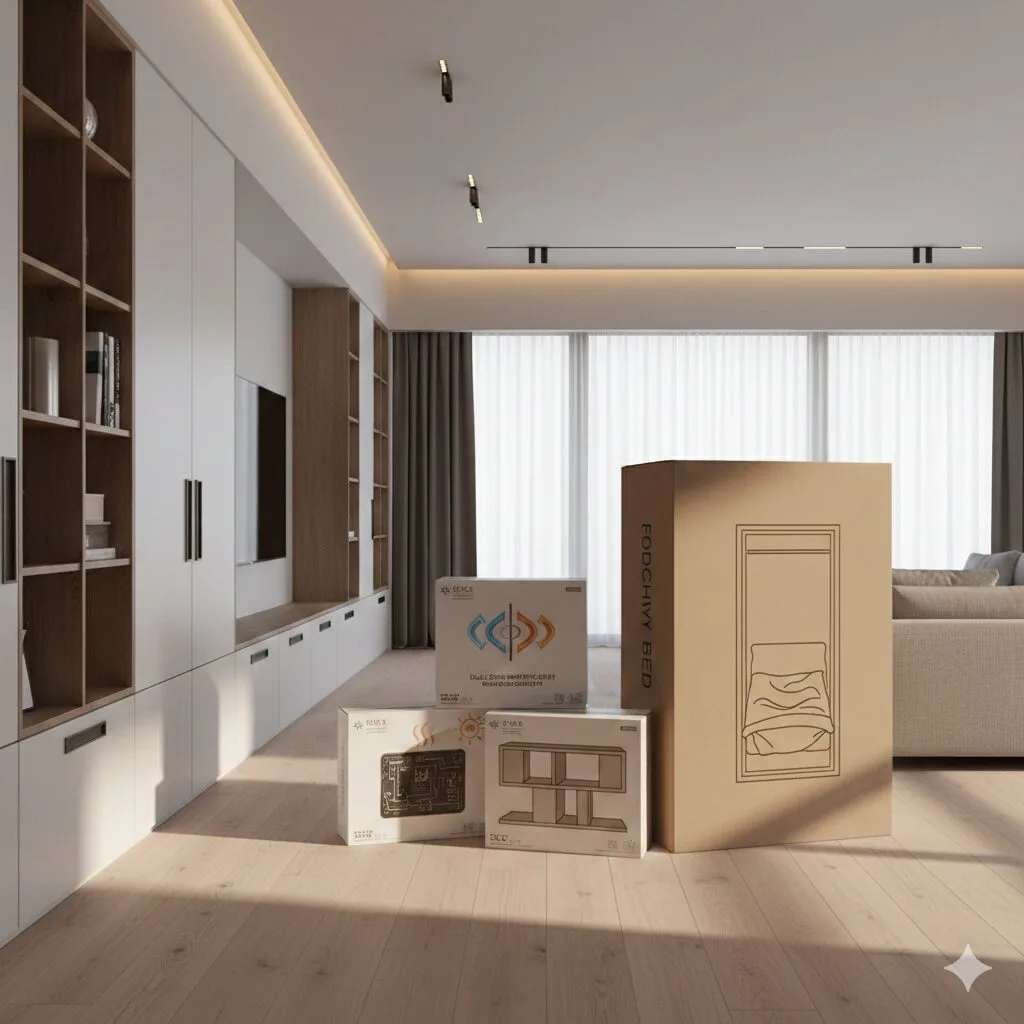
The solution is a flexible space that adapts to how you actually live. A cabinet Murphy bed queen-size transforms unused rooms into multipurpose spaces. You get:
- A guest bedroom that becomes your home office during the week
- Real bed for guests that folds away when they leave
- Less square footage to heat and cool
- A home that feels larger and more functional
- Resale value increases of $8,000-15,000 because flexible space is valuable
Instead of three bedrooms, one of which sits empty, you have four functional spaces. Your guest room is no longer a burden. It’s an asset. Measure your unused room. Murphy beds come in standard sizes. One installation permanently and immediately transforms that space. As homeowners continue to extend their living spaces beyond interiors, adding features like patios and shade structures can significantly improve outdoor comfort while maintaining a cohesive design aesthetic.
4 – SMART THERMOSTAT: AUTOMATED SAVINGS WITHOUT THINKING
You can’t optimize what you don’t control. Manual thermostats mean constant adjustments and constant waste. You heat the house before you leave for work. You cool the entire house at night. You’re making manual decisions constantly and usually getting them wrong.
Manual control creates waste; it’s 10-15% higher energy use than optimized systems. On a $150 monthly bill, that’s $15-22 wasted each month. Over 10 years, that’s $1,800-2,640 in pure waste because you forgot to adjust the thermostat.
A smart thermostat learns your schedule and adjusts automatically:
- Lower temperature when you’re away
- Wake-up warmth timed to your alarm
- Cooling schedule optimized for sleep
- Learning algorithm that improves over time
- Cost: $100-300
- Payback: 1-2 years
Installation takes 30 minutes with any HVAC system. You see savings on your next bill. This is one of the fastest payback upgrades you can make.
5 – EFFICIENT LIGHTING: 75% ENERGY REDUCTION THAT YOU CONTROL
Most homes still use incandescent or outdated CFL lighting, wasting energy and money constantly. Incandescent bulbs waste 75% of energy as heat. They’re inefficient by design. You can’t control brightness or color. Lighting runs on timers, or you forget to turn it off completely.
Lighting typically accounts for 15-20% of your total home energy bill, that is $22-30 per month on a $150 bill. LED conversion reduces that by 75%. That’s $16-22 per month in pure savings. Annual savings of $192-264 just from lighting.
LED smart lighting gives you:
- 75% energy reduction
- Complete control via phone app
- Customizable brightness
- Color temperature control (warm evening light, bright morning light)
- 25+ year bulb lifespan
- Whole-home conversion cost: $300-800
- Payback: 1-2 years
Start with high-use areas. Convert your kitchen and living room first. See the savings immediately. Then expand to bedrooms and bathrooms over time.
6 – FLEXIBLE SHELVING: ORGANIZE WASTED SPACE INTO USABLE SPACE
Disorganized rooms feel small. Organized rooms feel spacious. This isn’t philosophy, it’s how human perception works. Clutter makes your brain feel cramped. Organization makes space feel open and breathable.
2026 is when you stop paying for a home that doesn’t work and start building one that does. And while energy savings and space optimization are key, don’t forget about the finishing touches that make a space feel welcoming, like quality rugs for living room to anchor your seating area and add warmth.
The average home has 30% of space that’s disorganized and unusable. That’s 200+ square feet of functional space wasted. You think you need a bigger home. Actually, you need to organize what you have. Strategic shelving makes space functional immediately.
Benefits include:
- Everything has its place
- Rooms feel larger and more open
- Efficient space usage
- Reduced clutter stress and mental load
- Cost: $500-1,500
- Benefit: Immediate, you feel it the same day
Start with one room. Add shelving. Organize what you have. Feel the difference. Then expand to other rooms. This compounds with your other upgrades. A more organized space feels bigger. Feeling bigger improves your quality of life.
WHAT EXPERTS SAY ABOUT HOME TRANSFORMATION IN 2026
Rising energy prices and growing climate pressure are reshaping how we live at home, and in 2026, energy efficiency is no longer just an eco-friendly upgrade; it’s a financial safeguard The Environmental Blog. The economics of transformation are forcing the conversation. It’s no longer optional.
According to environmental policy professor Gilbert Michaud from Loyola University, homeowners should focus on practical projects that can be completed quickly. “These types of projects can be done in a matter of weeks and will deliver immediate energy savings,” emphasizing that transformation doesn’t require massive renovation CNBC.
The key insight from experts: You don’t need to overhaul everything. You need to be strategic about what you change first.
YOUR TRANSFORMATION ROADMAP
Start with a mini split first; it’s your biggest energy waster and has the greatest saving potential. Month one, get quotes from local HVAC providers and solar companies. Schedule installations for month two. The installation phase spans months three through four. By month five, start space optimization with a Murphy bed and shelving. By summer 2026, the transformation will be complete.
Total investment ranges from $17,000 to $ 25,000, depending on system size and your home’s specific needs. Year one savings start at $2,000 and grow. By year five, you’ve saved $10,000. By year ten, $20,000+ in accumulated savings. Resale value increases by $30,000 to 50,000. Payback happens in 5-8 years; everything after is pure profit.
COMMON QUESTIONS
Which upgrade should I do first?
Mini split, it’s your most enormous energy waste and biggest saving potential.
Can I do these gradually?
Yes. Start with mini split. Add solar when ready. Space optimization can happen over months. You don’t need to do everything at once.
What if I can’t afford everything?
Start with a mini split and a smart thermostat. They’re cheapest and have the fastest payback. Add solar when you can. Add space optimization as the budget allows.
Are there tax credits available?
Yes. Federal credits cover 30% of energy projects. Check your state for additional credits. Act before the deadline, some credits expire.
How long until I see transformation?
Climate control improvements happen day one. Energy savings show on your first bill. Space improvements are immediate. Full financial payback takes 5-8 years.
What if I’m renting?
Renters can use smart thermostats and LED lighting. Space organization applies everywhere. Discuss mini split with landlord, it increases property value.
YOUR HOME CAN TRANSFORM IN 2026
Stop paying for inefficiency. Stop tolerating wasted space. Stop accepting rising energy bills. Transform your home in 2026 with a home that costs less to operate, feels larger, generates its own power, and adapts to how you actually live.
Your energy bills drop. Your space works harder. Your home feels different. Your resale value increases. That’s not an upgrade. That’s transformation.
Start now. Transform by summer 2026.