
Mixing colors can lead to interesting results, especially when you combine two contrasting shades like green and gray. So, what color does green and gray make when mixed together? The simple answer is a muted, earthy green, gray-green or sage green.
GREEN + GREY = GRAY-GREEN OR SAGE-LIKE COLOR
Depending on the proportions and the medium you’re using, paint, digital design, or printing, this mix can look like sage green, seafoam green, dusty green, gray-green, soft olive, or eucalyptus green.
The more gray you add, the more subdued, neutral, and calming the final color becomes, making it ideal for calm spaces, minimalist designs, and nature-inspired artwork.
Now, let’s dive into the details and see how these shades are created.
How Green and Gray Mix: The Basics
Green and Gray in Paint (RYB Model)
In the RYB (Red, Yellow, Blue) model, green is a secondary color created by mixing blue and yellow. On its own, green is a vibrant color that evokes nature, growth, and freshness. Gray, on the other hand, is a neutral tone, made by mixing black and white. It has the unique ability to tone down any color it’s mixed with.
When you mix green with gray, you’re essentially adding a muted or earthy tone to the green. This combination makes the green less vibrant and more subdued, resulting in a softer, more neutral version of the color.
- More Gray: When you add more gray, the resulting color will be cooler and more subdued, often referred to as sage green or seafoam green.
- More Green: If the green is more dominant in the mix, you will get a richer and more earthy green like olive green.
The RGB Model (Digital Light)
In the RGB (Red, Green, Blue) model, which is primarily used for digital screens and light, green is a primary color, and gray is created by mixing all primary colors at low brightness. When you mix green with gray in the RGB model, the result will typically be a muted, desaturated version of green.
Here’s how it works:
- More Gray: Adding more gray will cause the green to lose vibrancy, resulting in a muted or pale green.
- More Green: A stronger green will overpower the gray, keeping the color richer and closer to a natural green, though still duller than the original vibrant shade.
In RGB, the mix will be best suited for backgrounds, web design, or subtle accents where the goal is not to have a bright, vibrant green, but a more refined, calming shade.
The CMYK Model (Printing)
In the CMYK (Cyan, Magenta, Yellow, Black) model used for printing, green is created by combining cyan and yellow, and gray is created by adding a proportion of black to neutralize the color. When you mix green and gray in printing, the result is typically a darker, muted green, often grayish-green or olive.
Here’s how green and gray mix in CMYK:
- More Gray: The addition of black (in the CMYK model) will darken the green, resulting in a darker, more subdued color, perfect for print designs that need earthy, natural tones.
- More Green: If you use more yellow or cyan in the mixture, you’ll get a richer, brighter green that still carries a neutral, grayish undertone.
In CMYK, this mixture is ideal for print designs that require a soft, earthy look, such as product packaging, branding, and brochures.

Core Results: What Color Does Green and Gray Make?
When mixing green and gray, the outcome can vary greatly based on the proportions of each color used. However, there are a few classic shades that consistently appear. Let’s break them down.
Sage Green
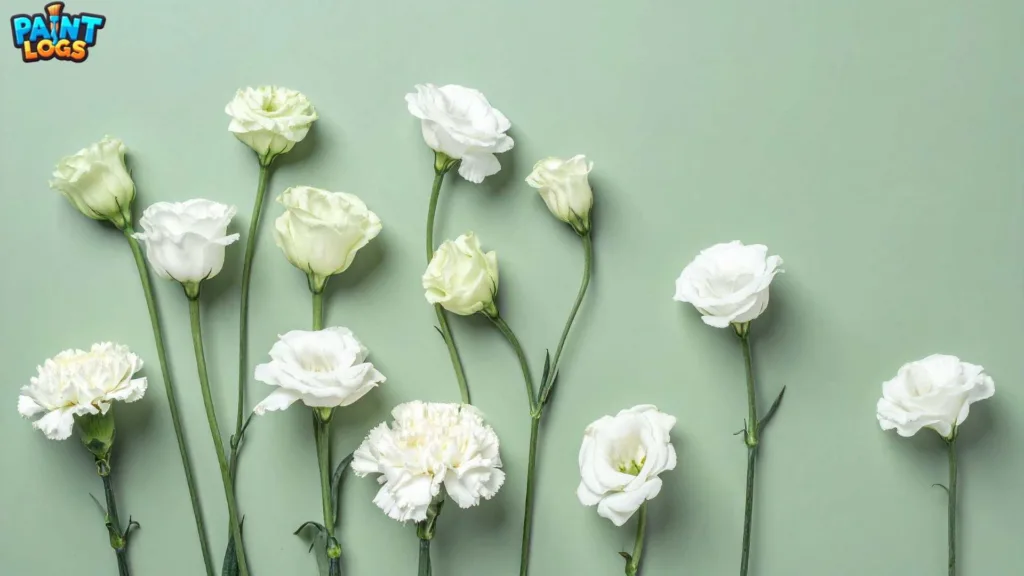
A common result when green and gray are mixed is sage green. This color is a soft, muted green with a slight grayish undertone. It’s often associated with natural, calming environments and is popular in interior design, botanical art, and subtle background colors. Sage green is often used in spaces designed to feel relaxing, as it has a soothing, earthy quality.
- Hex Code: #9C9A6D
- Use: Common in bedrooms, bathrooms, and living rooms for a tranquil, natural look.
Seafoam Green
Another popular color resulting from the mix of green and gray is seafoam green. This is a lighter, pastel-like shade of green with a grayish-blue undertone. It’s airy, fresh, and perfect for modern and minimalist designs. Whether used in fashion or decor, seafoam green adds a touch of softness and serenity to any palette.
- Hex Code: #A2D8D7
- Use: Ideal for spring fashion, wedding decor, and light, pastel-themed interiors.
Dusty Green / Muted Green
A more general term, dusty green or muted green, refers to any desaturated green created when gray dulls the vibrancy of green. These shades have a vintage and earthy feel, making them great for retro designs, natural aesthetics, and earth-toned palettes. They evoke a sense of being closer to nature and can be used in art, clothing, and minimalist interiors.
- Hex Code: #6C7C52
- Use: Often used in vintage fashion, retro designs, and subtle art backgrounds.
Green-Gray / Gray-Green
The green-gray mix is a broad category of neutral tones that can range from olive to seafoam to more earthy gray-green shades. These versatile colors are perfect for neutral palettes in interior design, branding, or any design project that requires a balance of softness and sophistication.
- Hex Code: #708B7A
- Use: Best for calming room designs, minimalist design, and brand identities seeking a calm, grounded look.
Want to explore more color blends? Learn what colors pink and green make in our detailed article.

Tints and Shades of Green and Gray
One of the most interesting aspects of mixing green and gray is how adding white or black can significantly change the resulting color. Tints occur when white is added to a color, making it lighter. Shades, on the other hand, are created when black is added, making the color darker. Let’s explore how these two methods affect the green-gray mixture.
Lightening the Mix (Adding White or Yellow)
When you mix green and gray and add white to the mix, you will create a lighter version of the resulting color. This makes the color softer and more subtle, perfect for pastel-themed designs or spaces that need a soothing touch. In this case, the color leans more toward mint green or light sage green.
- Mint Green: A refreshing, pastel green-gray that’s calming and ideal for modern interior designs or spring fashion.
- Khaki Green: A warm, neutral version of green-gray, often used for earthy, natural-themed spaces.
| Color | Hex Code | Use |
|---|---|---|
| Mint Green | #98FF98 | Perfect for pastel accents, modern interiors |
| Khaki Green | #B3B18D | Great for earthy fashion or vintage-themed interiors |
Darkening the Mix (Adding More Black or Gray)
By adding more gray or black to the mix, you can create a darker, more intense green-gray. This results in deeper, richer tones like charcoal green or forest green. These darker hues are ideal for designs that need more depth and contrast.
- Charcoal Green: A deep, sophisticated shade of green-gray, often used in luxury designs and corporate branding.
- Forest Green: A dark green with a grayish undertone, reminiscent of deep forests and natural themes.
If you’re experimenting with muted and dramatic colors, don’t miss our post on what colors green and black make.
| Color | Hex Code | Use |
|---|---|---|
| Charcoal Green | #36454F | Used in luxury branding or corporate spaces |
| Forest Green | #228B22 | Ideal for nature-inspired designs or modern aesthetics |

Practical Uses for Green and Gray Mixes in Art and Design
Now that we’ve explored the tints and shades of green and gray, let’s look at some real-world applications. Whether in art, interior design, or fashion, the green-gray combination is versatile and can be used in various ways to create calming, earthy, and sophisticated looks.
Art and Painting
In art, green and gray mixes are often used to create depth, balance, and subtlety in paintings. The muted tones produced by mixing green and gray are perfect for creating natural, earthy landscapes, botanical illustrations, and shaded areas.
- Sage Green is often used for foliage or backgrounds in nature-themed paintings.
- Charcoal Green works well for creating depth and shadows, especially in darker scenes.
This combination allows artists to capture the calmness of nature and depth of shadow, perfect for both abstract art and realistic paintings.
Interior Design
In interior design, the combination of green and gray creates a calming, relaxed atmosphere, making it a popular choice for bedrooms, living rooms, and office spaces. The mix of earthy tones like sage green or seafoam green adds a soft touch to any room.
- Sage Green Walls: Often used in bedrooms or bathrooms for a peaceful, natural ambiance.
- Gray-Green Accents: Ideal for living rooms or office spaces, providing a grounded, neutral aesthetic.
Green-gray tones can also be used in furniture, flooring, and accessories to create an inviting and balanced environment.
Fashion and Textiles
In fashion, green and gray combinations are widely used for their earthy and modern appeal. The versatility of these colors makes them suitable for both casual wear and formal attire. Whether you’re going for a vintage, military-inspired look, or something more minimalist, green and gray have you covered.
- Olive Green Jackets paired with Gray Pants make a great casual or semi-formal outfit.
- Sage Green Dresses with gray accessories provide a sophisticated, elegant look for formal events.
The combination of these colors is often used for fall/winter fashion or eco-friendly designs that reflect nature and sustainability.
Digital Design
In digital design, green and gray are often used in web design, UI/UX, and branding. The subdued, neutral nature of this color combination makes it ideal for creating modern, professional, and minimalist designs.
- Gray-Green Backgrounds: Used in websites and apps to create a neutral, clean look.
- Sage Green Buttons: Popular in call-to-action buttons and icons to provide a calm yet engaging user experience.
The beauty of green-gray tones in digital design is that they provide clarity without being too distracting, allowing other elements to shine.

Real-World Examples of Green and Gray Mixing
In Nature:
The natural world is full of green and gray combinations. Moss and cacti both show natural gray-green shades, as does the seafoam green color seen in ocean waves.
- Moss Green: A common example in forests, gardens, and botanical landscapes.
- Seafoam Green: Seen in the ocean, particularly in shoreline waves and coastal landscapes.
In Fashion:
In fashion, green and gray are often paired together in military-style clothing, streetwear, and vintage designs. The earthy tones give a sophisticated look and are easy to pair with other colors.
- Olive Green and Gray Outfits are a timeless combination for both casual and formal looks.
- Charcoal Green accessories like bags or scarves can elevate a winter wardrobe.
In Architecture:
Many buildings incorporate gray-green tones in their exteriors, especially those in urban settings or natural environments. These colors blend well with natural surroundings and provide a modern yet grounded look.
- Olive Green Panels or sage green interiors can create a calming and earthy environment in office spaces and homes.
If you’re exploring color combinations, don’t miss our post on what happens when red and green are mixed.
Conclusion
Mixing green and gray results in a wide range of earthy, muted colors, from the calming sage green to the deeper, more intense charcoal green. The final color depends on the proportions of green and gray you use, along with the medium (paint, digital, or print). Whether you are designing a calming room, creating subtle art pieces, or crafting modern outfits, the green-gray mix offers a versatile palette for neutral tones and sophisticated designs.
Understanding how to mix and manipulate green and gray gives you the tools to create balanced, harmonious colors that suit a variety of styles, from pastel hues for spring fashion to deep, earthy tones for interior design. Embrace the beauty of these colors and experiment with different shades to achieve the perfect look for your next creative project!
FAQs
What color do you get when you mix green and gray?
When green and gray are mixed together, the result is usually a muted, earthy green. Depending on the proportions, this can range from sage green to seafoam green.
How does adding more gray affect the color?
Adding more gray to the mix makes the green duller and subdued, creating colors like moss green or charcoal green. This results in a darker, more neutral tone.
What happens if I add more green to the mix?
If green is the dominant color in the mix, the result will be a richer, vibrant green with a gray undertone, like olive green or forest green.
Can you make light green-gray colors?
Yes! Adding white or yellow to the mix will lighten the green-gray combination, resulting in shades like mint green or light sage green.
How do I create a darker green-gray shade?
To create a darker green-gray, add more gray or black. This will result in deep, sophisticated shades like charcoal green or hunter green.
What is sage green, and how is it made?
Sage green is a muted green with gray undertones. It’s typically made by mixing green with gray and is popular in home decor and botanical art for its calming qualities.
Is seafoam green a result of mixing green and gray?
Yes! Seafoam green is a light, pastel-like green mixed with gray. It’s often used in modern and minimalist designs for a fresh and airy look.
What color do green and gray make in digital design?
In digital design, mixing green and gray results in a desaturated version of green, ideal for backgrounds or subtle accents. It gives a modern, minimalist vibe.
What other colors can I mix with gray to create new hues?
You can mix gray with various colors to create different tones. For example: Green and gray: Muted, earthy greens. Blue and gray: A calming mix of cool tones. Yellow and gray: A warm, earthy combination like olive or mustard.
What is the best use of green and gray in interior design?
In interior design, green and gray are used to create calming, neutral environments. Shades like sage green work well for bedrooms and bathrooms, while seafoam green is perfect for living rooms or kitchens.
Can green and gray be used together in fashion?
Yes, green and gray make a great combination in fashion. You can pair olive green jackets with gray pants for a vintage-inspired look or wear sage green dresses with gray accessories for a sophisticated, modern vibe.
Does adding gray make green look dull?
Yes, adding gray to green generally results in a duller, more muted version of the original green, often described as gray-green or olive.