Exterior Weatherproofing Tips for Homeowners
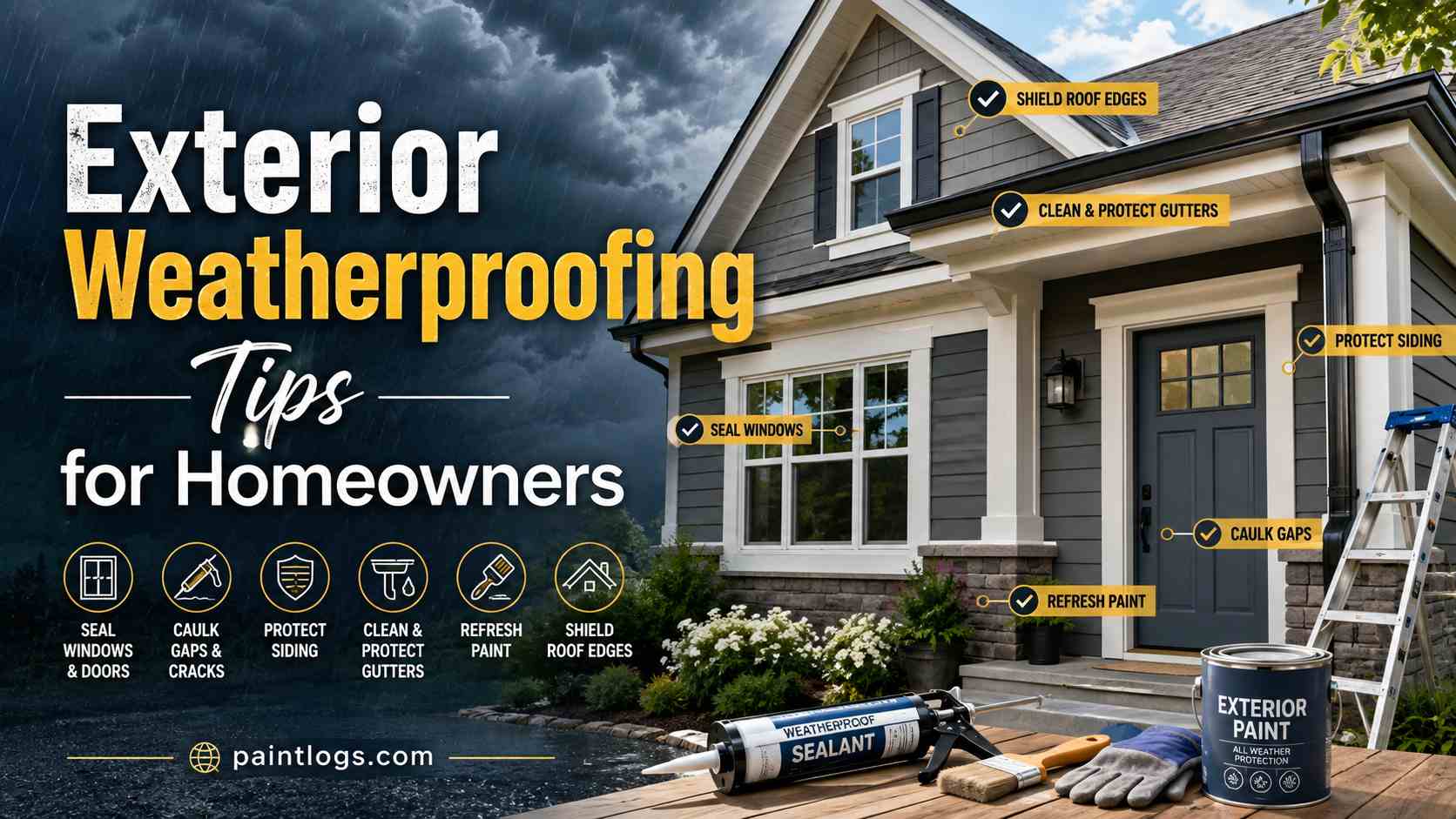
Protecting your house from harsh weather elements stops structural decay before damage spreads. Regular maintenance checks keep wind, rain, and freezing temperature shifts from creating damage inside your walls. Taking quick action preserves your living space for years. Homeowners who perform routine checks and follow exterior weatherproofing tips that save thousands of dollars on long-term structural repairs.

Inspect Your Roof Structure Yearly
Shingles protect your home against heavy downpours, high winds, and burning sunshine. Missing or curling pieces allow moisture to slide directly into your attic space. Replacing damaged materials early keeps the internal framing dry and secure.
Routine maintenance extends the lifespan of your entire roofing system by several years. If severe hail or wind hits your property, scheduling a full storm restoration protects your investment against long-term water infiltration. Professional inspectors locate hidden weaknesses before minor leaks turn into huge structural hazards.
Attic spaces require adequate airflow to prevent heat buildup beneath roof decking. Poor ventilation traps warm, damp air during humid summer months, causing wooden trusses to warp or rot. Installing ridge vents or soffit intake panels solves airflow issues and preserves roof integrity.
Clear and Upgrade Drainage Systems
Gutters direct thousands of gallons of rainwater away from your foundation every single year. Clogged channels force water over the edges, creating pooling right near basement walls. Cleaning out leaves, pine needles, and debris every fall prevents foundation cracks.
Among homeowners making exterior upgrades, 51% choose to replace their roofs, and 48% upgrade their gutters and downspouts. Modern seamless gutters handle heavy flow far better than older sectional designs. Upgrading these systems prevents soil erosion right around your home foundation.
Downspout extensions direct water at least 5 feet away to keep soil stable and dry near basement walls. Simple splash blocks or underground drain pipes move heavy rainfall toward safe drainage zones.
Apply Weather-Resistant Exterior Coatings
Applying protective exterior coatings offers an extra layer of defense against deep water penetration in regions receiving heavy rainfall. Siding materials like wood, brick, and concrete absorb rain without sealants. Fresh coats of water-repellent paint block dampness before rot starts.
Exterior walls face relentless exposure to extreme elements day after day. Quality acrylic or silicone sealants block driving rain and allow interior humidity to escape. Inspecting your exterior siding annually reveals areas needing fresh coverage.
Stucco and masonry surfaces require specialized breathable coatings to prevent moisture entrapment. Water trapped behind rigid paint blisters and cracks during winter freeze cycles. Elastomeric coatings flex with temperature changes, keeping masonry dry and solid.
Seal Windows and Exterior Doors
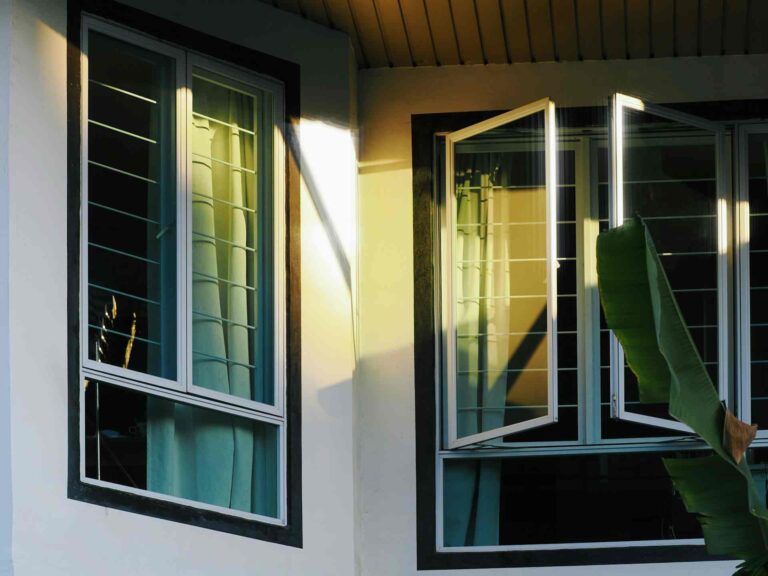
Small gaps around window frames let cold drafts enter during winter months. Old caulk hardens, cracks, and flakes away after years of temperature swings. Removing dried sealant and applying fresh exterior-grade caulk blocks unwanted air shifts. Look for key areas during your seasonal walkaround:
- Gaps around outdoor hose spigots and electrical outlets
- Cracks near door thresholds and exterior jambs
- Unsealed openings where utility lines enter siding
- Splits in window frame corners and trim pieces
Weatherstripping and moveable door joints wear down after continuous daily use. Replacing flattened foam or rubber strips creates a tight seal against driving rain and chilly drafts. Heavy draft stoppers or door sweeps add another protective layer along garage entry doors.
Modernize Fixtures and Household Efficiency
Upgrading to energy-efficient appliances and fixtures saves money on utility bills and improves home weatherproofing. Smart thermostats paired with modern outdoor ventilation covers optimize thermal performance. Proper balance keeps interior temperatures steady through severe weather snaps.
Modern fixtures reduce stress on household energy systems during harsh winter months. Sealed exterior vents prevent freezing air from flowing backward into heating ducts. Smart upgrades save money and add strong barrier protection against wind intrusion.
Insulating exposed pipes in unheated crawlspaces prevents sudden pipe bursts during deep freezes. Foam pipe sleeves slip over metal or plastic water lines quickly. Wrapping exterior spigots with insulated covers shields plumbing valves against ice damage.
Protect Basement Walls and Foundations
Foundation walls sustain constant hydraulic pressure when saturated soil expands against concrete. Small hairline cracks expand as groundwater freezes and thaws throughout winter. Sealing foundation cracks with hydraulic cement prevents subterranean leaks.
Subsurface drainage systems prevent standing water from pressing against basement footings. Sump pumps collect excess groundwater and pump it safely away from structural walls. Installing battery backups keeps sump pumps running during storm-related power outages.
Waterproofing membranes applied to exterior foundation walls block dampness at the ground level. Heavy rubberized coatings form an impermeable barrier against soil moisture. Combined with gravel backfill, exterior membranes keep basements completely dry.
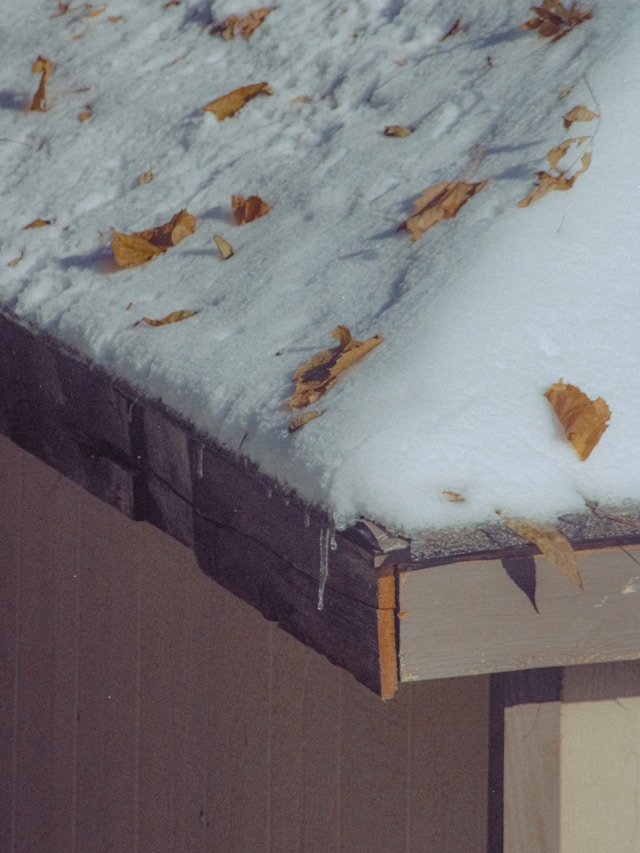
Taking preventive steps keeps your property secure against severe seasonal storms and gradual weather wear. Small repairs completed today eliminate massive restoration bills in the future. Protecting your exterior structure keeps your home safe, dry, and comfortable throughout every season.