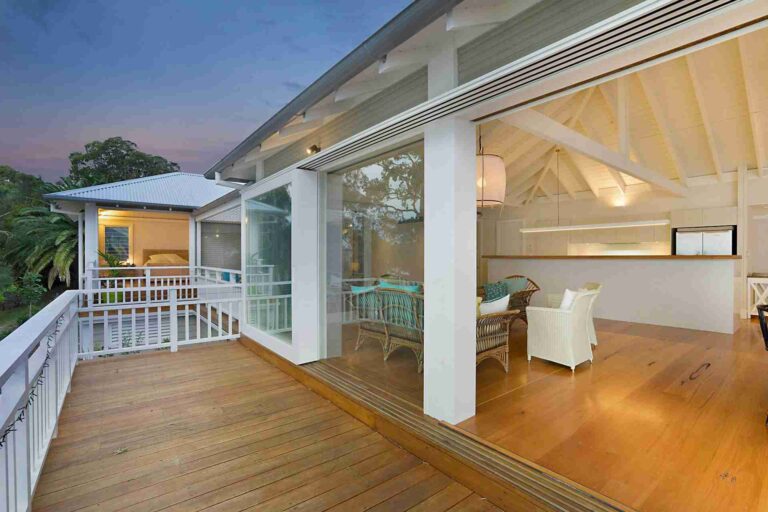
Planning an Exterior Upgrade That Pays Off
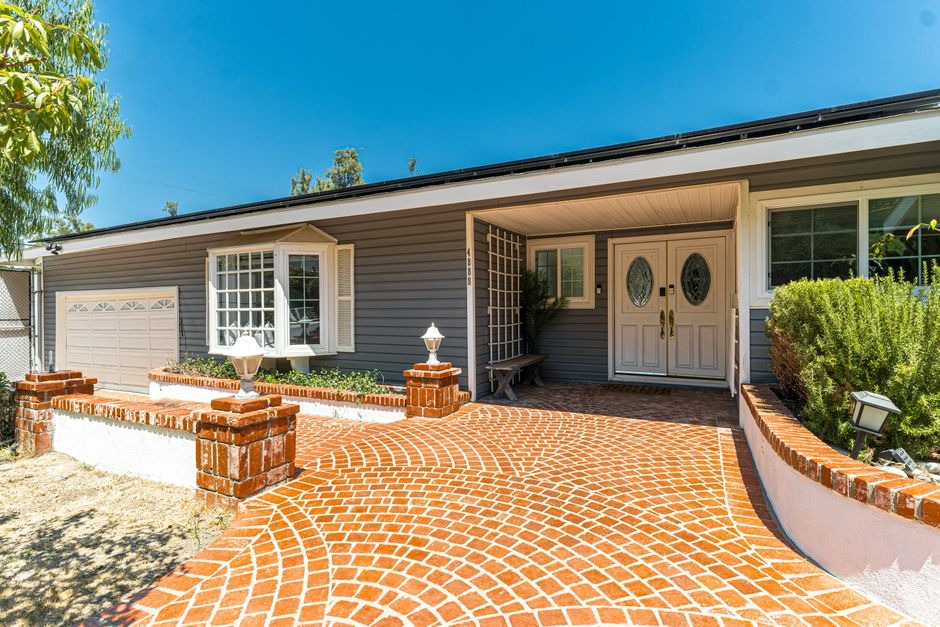
Curb appeal tends to announce itself only when something looks off. A tired facade, peeling trim, or a sagging gutter line can pull down the whole impression of an otherwise cared-for house. Work on the outside of a home sits where design, upkeep, and resale value meet, which makes it a bigger decision than a quick coat of paint suggests. For anyone who enjoys shaping how a space feels, this is the part of the story everyone sees first. Handle it thoughtfully, and the rest of the property starts to feel deliberate.
Start With What the House Actually Needs
Wish lists are fun, but the honest starting point is condition. Long before paint chips or facade ideas enter the picture, a home tells you what it needs through small warning signs. Old windows can leak air and drive up energy bills, doors can stick and let drafts through, and gutters can overflow toward a foundation that would rather stay dry. Sorting genuine problems from cosmetic wants is where a smart plan begins.
When homeowners keep running into drafty windows, failing gutters, and water pooling near the foundation, the smartest move is to hire the best exterior renovation company out there to handle window, door, and gutter work. A good crew shows up on schedule and explains the fix in plain terms before the first panel comes off.
A quick way to rank the list helps: safety concerns come first, then anything letting in water, then upgrades that improve efficiency, and finally the purely cosmetic touches. That order keeps money from being spent twice. Replacing trim before solving a drainage issue is really just paying for the same job two times over.
Match Choices to Climate and Daily Wear
Materials never stay in a showroom. Out in the world, they take on sun, rain, wind, dirt, and the freeze-thaw swings that come with a full Ohio calendar. Something that photographs beautifully can weather poorly once it faces a few seasons in a demanding climate. That gap between the picture and the payoff is worth respecting.
Strong sun can fade darker colors and push more heat into a home. Wet stretches punish poor drainage details. Cold snaps put steady pressure on joints and seals. When comparing products, it helps to ask how much upkeep each option needs, how well it stands up to moisture and impact, whether the color holds over time, and whether local crews can install it correctly. That final point carries more weight than people expect. A premium material fitted badly can underperform a mid-range one fitted well.
Build a Budget That Includes the Boring Parts
Plenty of renovation budgets stumble because they only count the visible upgrades. Someone prices out new windows, a nicer front door, and fresh gutters, and the total looks reasonable. Then the quieter costs arrive and rearrange the math in a hurry. Planning for them early is what separates a calm project from a stressful one.
Labor, permits, disposal fees, and repair contingencies all belong in the number from the start. If a crew opens up a wall and finds hidden trouble, that becomes the day’s reality rather than a problem for some future version of you. A realistic budget usually folds in materials, labor, permits and inspections, cleanup, and a cushion of roughly ten to twenty percent for surprises. Thinking in terms of return rather than sticker price also helps, since some upgrades lower maintenance or trim energy use while others are mostly about looks. Both can be worthwhile, but they play different roles in the decision.
Choose a Contractor With a Real Process
The company doing the work shapes the outcome even more than the product list. A polished estimate means little if the crew communicates poorly or skips the details that matter. Homeowners feel that difference on day two, not in the sales pitch. So the vetting stage deserves real attention.
The goal is someone who can walk through scope clearly, name the risk areas, and talk through the order of operations when several trades overlap. When windows, doors, and gutters share a timeline, sequencing keeps the job from tangling. Ask for proof of licensing and insurance, a written scope, material specifications, a realistic timeline, warranty terms, and recent examples. A contractor who answers pointed questions calmly is usually a safer bet than one selling on charm alone.
Treat Curb Appeal as More Than Color
Paint gets all the attention, but a facade that reads as polished depends on proportion, contrast, and consistency. The homes that look best rarely pile on features. They make a few solid choices and repeat them with discipline. That restraint is the quiet trick behind a lot of impressive exteriors.
It helps to name the home’s general style, even loosely, since a ranch, a colonial, and a craftsman each respond differently to trim, door design, and color. When details fight each other, the result feels busy rather than finished. Window trim contrast, a well-chosen front door, sensible lighting, and landscaping that connects to the facade all pull in the same direction. Even house numbers and a porch light can either sharpen the look or quietly undercut it.
Plan for Timing, Disruption, and the Mess
Outside work sounds tidier than a kitchen remodel, yet it still reshapes daily life. Noise, debris, blocked access, and weather delays can turn a neat schedule into a week of improvisation. Setting expectations early keeps the disruption manageable. A few questions up front save a lot of frustration later.
Ask when crews arrive, where materials will sit, how cleanup is handled, and whether driveways or entries will be blocked. Working from home or having pets makes those answers matter more. Moving outdoor furniture ahead of time, trimming landscaping near the work zones, and letting neighbors know about noise all smooth the process. Keeping a simple photo record as the job moves along helps with progress checks and warranty questions down the line.
Think Past the Finish Line
Once the crew packs up, the project is not truly finished. The exteriors that hold up do so because owners keep a light hand on maintenance. That does not mean constant fuss, just steady attention across the seasons. A little consistency stretches the value of the whole investment.
A basic calendar for inspections, gutter cleaning, and seasonal walkthroughs goes a long way, since small tasks cost far less than full replacements. A quick look after a heavy storm can catch a minor issue before it grows expensive. Keeping records of warranties, contractor contacts, finish details, and installation dates rounds out a smart approach. Handled with a clear budget, honest expectations, and an eye for both design and durability, an exterior upgrade delivers more than a prettier house. It leaves a home that works harder, ages better, and looks intentional from the curb.