When to Paint or Replace Exterior Roofing
A home’s exterior is its primary defense against nature, and the roof carries the heaviest burden of weather protection. Over years of exposure to sunlight, rain, wind, and seasonal temperature swings, even high-quality roofing materials gradually degrade.
When visible wear appears, homeowners face a critical financial and maintenance choice: should you paint (coat) your exterior roofing, or invest in a full roof replacement? Making the right call requires evaluating your roof’s current structural condition, material age, and future home plans.
The Distinction Between Painting and Replacing
In residential and commercial roofing, “painting” refers to applying specialized elastomeric, acrylic, or silicone roof coatings rather than standard house paint. Standard exterior paint degrades rapidly under harsh weather and offers no waterproofing protection. Specialized liquid coatings cure into a flexible, seamless membrane that expands and contracts with seasonal temperature shifts while sealing minor surface imperfections.
Conversely, a complete replacement is a structural overhaul rather than a surface-level treatment. While coatings are applied directly over clean, intact roofing materials to enhance weather resistance, a full replacement involves tearing away all existing shingles, underlayment, and compromised flashing down to the bare wood deck. This comprehensive process allows technicians to inspect for underlying rot, reinforce structural supports, and install fresh, multi-layered waterproofing systems.
According to the U.S. Department of Energy, reflective roof coatings create “cool roofs” that lower surface temperatures by reflecting sunlight. This reduces heat transfer into living spaces and slashes air conditioning costs during peak summer months. However, coatings are strictly restorative tools designed to preserve roofs that are still structurally sound; they cannot bridge severe gaps or replace rotten timber.
When Roof Painting (Coating) Is the Right Choice
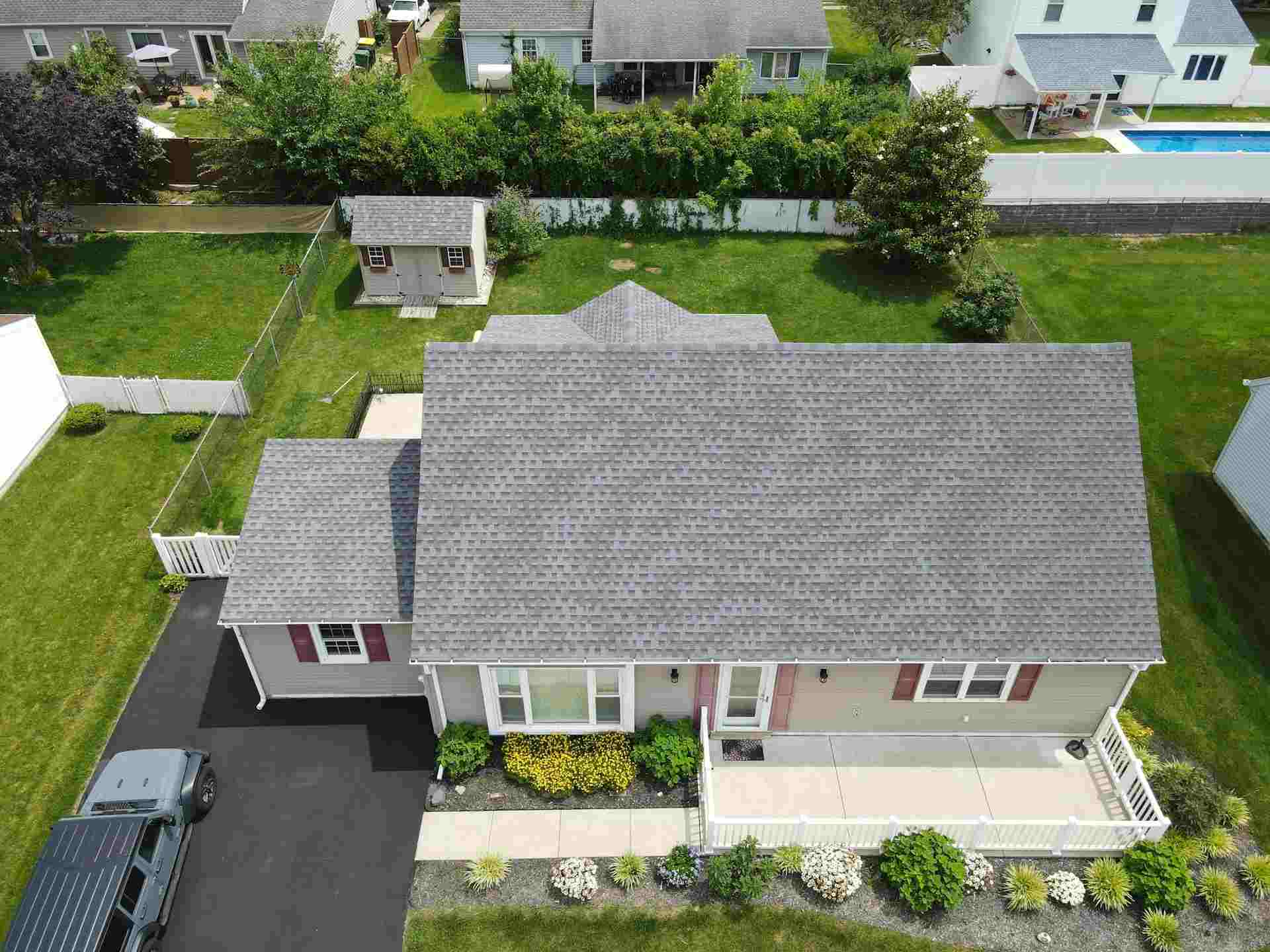
Roof coatings offer a cost-effective solution for roofs suffering from mild surface wear or color fading. Local climate factors, such as intense summer ultraviolet (UV) rays and high humidity, accelerate aesthetic fading and minor surface erosion without destroying the underlying deck.
Homeowners evaluating their property’s exterior health in Charlotte often use specialized roof coatings to restore thermal protection and delay an expensive tear-off. Coating your roof is recommended when your structure meets the following conditions:
- Faded Visual Appearance: UV exposure bleaches shingle and metal finishes over time. A topcoat restores vibrant color and visual appeal without the disruption of a construction project.
- Minor Surface Abrasions: If metal panels display minor surface rust or asphalt shingles show light granule loss, without active leaks, a coating seals these vulnerable points against future weathering.
- Energy Efficiency Goals: Applying a light-colored or reflective coating lowers roof surface temperatures, reducing thermal stress on your home and cutting monthly energy bills.
- Extending Material Life: If your roof is within 5 to 7 years of its expected expiration date but has a sound structural deck, a coating can safely buy extra years of service while you budget for a future replacement.
Signs It Is Time for a Full Replacement
While coatings extend the life of aging materials, they cannot repair structural failure. Painting over compromised decking, rotted underlayment, or active leaks traps moisture beneath the non-breathable seal, accelerating internal wood decay and encouraging toxic mold growth inside the attic.
Industry guidance from the Insurance Institute for Business & Home Safety highlights that structural integrity is essential for resisting wind damage and preventing interior water intrusion. A complete roof replacement involves tearing down existing materials to the structural deck, replacing rotted wood, installing fresh underlayment, and laying down brand-new roofing materials.
A full replacement is required when you observe any of the following severe warning signs:
- Exceeded Expected Lifespan: Standard three-tab asphalt shingles typically last 15 to 20 years, while architectural shingles last 25 to 30 years. Coatings on roofs past their operational lifespan offer minimal value.
- Active Leaks and Water Intrusion: Multiple active leaks, water stains across ceilings, or moist attic insulation signal that underlayment and flashings have failed completely.
- Severe Shingle Deterioration: Shingles that are curling, cupping, deeply cracked, or missing large sections of granules can no longer adhere to protective coatings.
- Spongy Decking or Sagging Lines: Soft, yielding spots felt when walking on the roof deck, or visible sagging along the roofline, indicate severe structural timber rot that requires immediate deck replacement.
Choosing between to paint or replace exterior roofing comes down to structural health, age, and budget requirements. Reflective coatings provide an economical way to improve energy efficiency and extend the life of a sound roof, but they cannot fix underlying water damage or degraded decking. Scheduling a comprehensive professional inspection ensures you catch minor wear early enough to benefit from a coating – or invest in a full replacement before major structural damage occurs.