How Online Rent Payments Are Changing the Way Property Managers Collect Rent
Rent collection used to be one of the most awkward parts of property management.
A tenant forgot to mail the check. A property manager had to follow up. A check arrived late. Someone had to record the payment, deposit it, update the ledger, and answer questions from the owner.
For a small rental operation, that process may be manageable for a while. For property managers handling multiple tenants, owners, and lease dates, it quickly turns into a time drain.
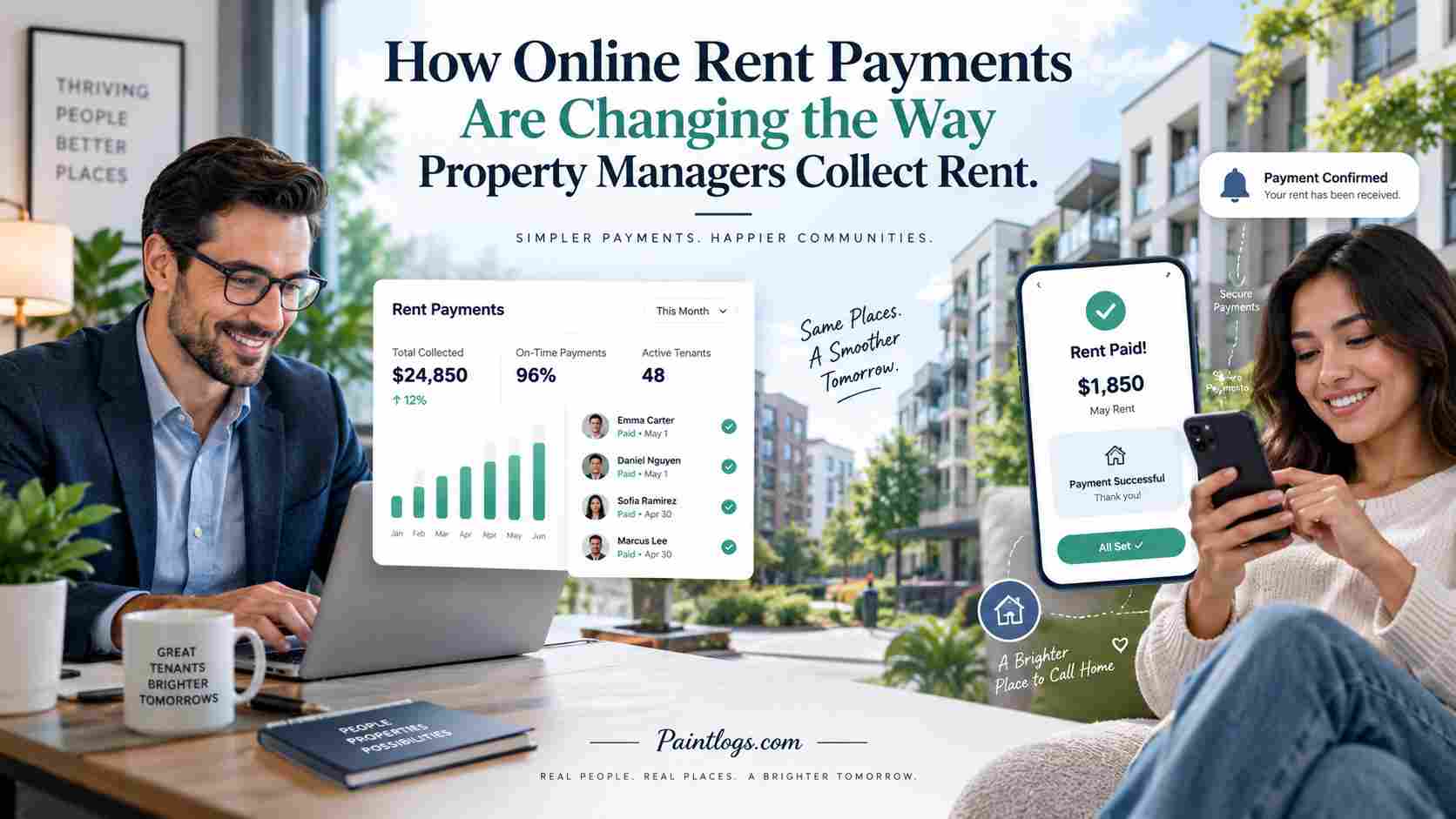
That is why online rent payments have become such an important part of modern rental operations. They give tenants a more convenient way to pay and give property managers a cleaner way to track rent, manage records, and monitor cash flow.
Landlords benefit too. When payments are easier to collect and easier to document, owners get better visibility and fewer surprises.
Why Paper Checks Create Problems
Paper checks may feel familiar, but they are not always efficient.
They can arrive late. They can get lost. They require manual deposits. They also create extra work when property managers need to confirm whether rent was paid, when it was received, and how it was recorded.
The most common problems include:
• Late arrivals because of mailing delays
• Manual tracking in spreadsheets
• Extra bank trips
• More follow up with tenants
• Harder payment verification
• More room for recordkeeping errors
The issue is not only inconvenience. Rent is a major source of cash flow for owners and property management businesses. Even a few delayed payments can make reporting, bill payment, and owner communication more difficult.
What Changes When Rent Moves Online
Online rent collection changes the workflow.
Instead of waiting for a check, the tenant pays through a secure digital system. The payment is recorded automatically. The property manager can review payment status, identify late balances, and keep a cleaner payment history.
A typical process looks simple:
• The property manager activates online payments through the platform
• The tenant is invited to pay through a secure portal
• The tenant makes a one time payment or sets up recurring payments
• The payment is recorded in the system
• Reports show paid, unpaid, and overdue balances
This makes rent collection easier to manage because the information is no longer scattered across checks, emails, bank statements, and spreadsheets.
Why This Matters for Property Managers
For property managers, online rent payments are not just about getting paid. They are about reducing the friction around collections.
Every manual follow up takes time. Every missing record creates a question. Every unclear payment status can slow down reporting.
Online payment tools help property managers:
• See payment activity faster
• Reduce manual data entry
• Send reminders more consistently
• Maintain better tenant payment records
• Improve owner reporting
• Spend less time chasing routine payments
This helps the property management team focus on higher value work, such as tenant service, maintenance coordination, owner communication, and portfolio performance.
A Better Tenant Experience
Tenants are used to paying bills online. Rent is one of the few major payments that many renters still expect to manage through older methods.
Giving tenants a secure digital payment option can make the process easier for them.
Tenants may be able to:
• Pay from a phone or computer
• Set up recurring payments
• View payment history
• Receive payment reminders
• Confirm that payment was submitted
That convenience can reduce confusion and missed deadlines. It also gives tenants a more professional experience with the management team.
When paying rent feels simple, tenants are less likely to delay because the process itself is inconvenient.
Stronger Records and Cleaner Bookkeeping
Rent collection is only the first step. After the payment is received, it still needs to be recorded properly.
Property managers need accurate records for owner statements, income tracking, expense review, and tax related reporting. If payments are collected in one place and bookkeeping happens somewhere else, extra work is created.
That is where a property management platform becomes more valuable than a basic payment app.
A dedicated system can help connect:
• Rent payments
• Tenant records
• Lease information
• Income tracking
• Expense tracking
• Owner reports
• Tax related summaries
When these records stay organized throughout the year, property managers do not have to rebuild the story later from bank statements and spreadsheets.
Where SimplifyEm Fits Into the Workflow
Platforms built for rental operations, such as SimplifyEm property management software, combine online rent collection with the tools property managers need to manage the rest of the business.
That includes income and expense tracking, tenant and lease management, document storage, reporting, and payment records.
For property managers, this matters because rent collection does not happen in isolation. A payment connects to a tenant, a lease, an owner, a property, and a financial report.
When those pieces live in one system, the workflow becomes easier to manage.
For landlords, the value is visibility. They can better understand what was collected, what is outstanding, and how the rental property is performing.
What to Look for in an Online Rent Payment System
Not every online payment tool is built for property management. Some tools only process money. Others support the full rental workflow.
Before choosing a system, property managers should look at more than the payment screen.
Important questions include:
• How quickly are funds deposited?
• Are payment records easy to review?
• Can tenants set up recurring payments?
• Are rent reminders included?
• Does the system connect payments with tenant and lease records?
• Can reports be shared with owners?
• Are fees clear and easy to explain?
• Is customer support available when something goes wrong?
The best system should make rent collection easier for tenants and easier to manage for property managers.
Why Standalone Payment Apps May Not Be Enough
A generic payment app can help collect money, but property managers usually need more than that.
They need to know which lease the payment belongs to. They need to see whether a tenant has an outstanding balance. They need to report income to owners. They may also need to connect rent activity with expenses, maintenance, and tax records.
Standalone apps often leave those steps to be handled manually.
That creates extra work after the payment is received.
Property managers should ask whether the system only moves money or whether it actually supports rental operations.
Getting Tenants to Switch
Moving tenants to online payments does not have to happen overnight.
A practical rollout can start with new tenants first. Existing tenants can be invited to switch when leases renew or when new payment instructions are sent.
To improve adoption, property managers should keep the message simple.
Explain:
• How to set up the account
• Which payment methods are accepted
• When rent is due
• Whether recurring payments are available
• Who to contact with questions
• How payment confirmations work
The easier the process feels, the more likely tenants are to use it.
Clear Policies Still Matter
Online payments make collection easier, but they do not replace good rent policies.
Property managers still need clear lease terms, consistent procedures, and legally compliant notices. Tenants should understand the due date, accepted payment methods, grace period if applicable, late fee policy if legally permitted, and what happens when payment is missed.
Technology supports the process. It does not replace the process.
When clear policies and online tools work together, rent collection becomes more consistent and easier to manage.
How Online Payments Support Owner Communication
Property managers are not only collecting rent from tenants. They are also reporting performance to owners.
When payment records are clean, owner communication becomes easier.
Property managers can more confidently answer questions such as:
• Has rent been collected?
• Which tenants are late?
• What is the current cash flow?
• Are payment issues improving or getting worse?
• How does this month compare with prior months?
Better records create better conversations with owners.
This helps build trust and shows that the property management business is organized and professional.
Frequently Asked Questions
Are online rent payments secure?
Online rent payments can be secure when property managers use a reputable platform with appropriate payment security and data protection practices. Teams should review each provider carefully before connecting bank accounts or inviting tenants to pay.
How long do online rent payments take to process?
Processing times vary by platform and payment method. Bank transfers may take several business days, while some other payment methods may process faster. Property managers should review each provider’s deposit timeline.
Can tenants schedule automatic rent payments?
Many online rent payment systems allow tenants to schedule recurring payments. This can reduce missed due dates, but tenants should make sure funds are available before each scheduled payment.
Do landlords have to accept online rent payments?
Requirements vary by state and local law. Some jurisdictions may require certain payment options or limit how payments can be handled. Property managers and landlords should review applicable rental laws before changing accepted payment methods.
Can online rent payments simplify bookkeeping?
Yes. When rent payments are connected to tenant records, leases, income tracking, and reports, bookkeeping becomes easier to manage. This reduces the need to maintain separate spreadsheets and payment records.
What should property managers look for in online rent payment tools?
Property managers should look for reliable payment processing, clear records, recurring payment options, tenant reminders, owner reporting, support, and integration with broader property management workflows.
Simplify Rent Collection and Financial Management
Online rent payments provide more than a convenient alternative to paper checks. They help property managers maintain accurate payment records, monitor cash flow, reduce manual follow up, and improve the tenant payment experience.
For landlords, online payments can provide better visibility and fewer recordkeeping headaches.
When comparing solutions, property managers should look at the full workflow, not just the payment feature. The right platform should support payment processing, bookkeeping, lease management, tenant records, and reporting in one organized system.
That is how rent collection becomes less reactive and more controlled.