What Homeowners Should Know Before Choosing a New Roof
Buying a new roof represents a massive financial decision for any property owner. Standard shingles wear down over decades, forcing hard choices regarding material quality, installation methods, and long-term warranties. Regional weather patterns and structural demands can damage your budget without proper planning.
Taking time to review core options protects your home investment against sudden weather events. Understanding installation requirements, ventilation needs, and contractor credentials creates a smooth replacement process from start to finish.
Local Climate Demands
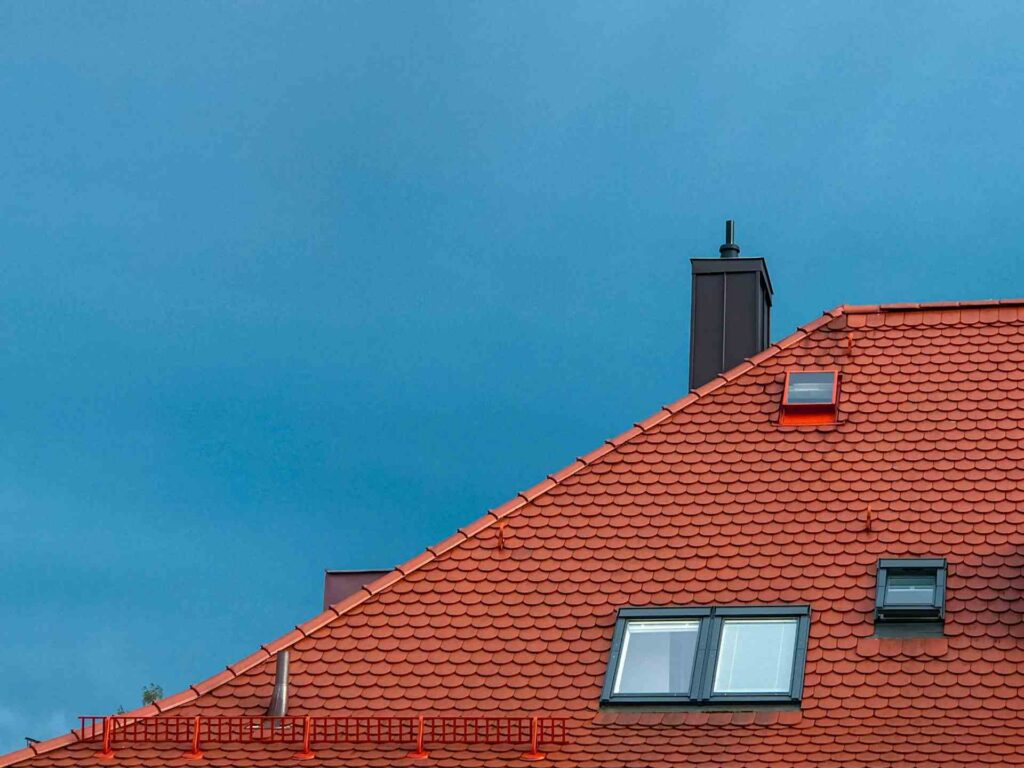
Regional weather patterns determine how well various materials withstand wind, rain, and heavy snow. Property owners in Indiana face intense seasonal temperature shifts that put heavy stress on outer layers. Selecting durable materials prevents water intrusion when severe winter storms sweep through your area.
Freezing conditions cause ice accumulation near gutters, creating severe stress on wooden roof edges. Strong spring storms unleash high winds capable of lifting loose shingles off the decking. Heavy snow buildup puts continuous strain on underlying support beams throughout winter months. Choosing a new roof high-impact options limits structural harm during severe hail events and unexpected wind gusts.
Building Codes and Deck Prep
Cutting corners during initial teardown creates lasting structural problems beneath new shingles. Standard building codes mandate complete removal of previous roofing layers down to the bare wooden deck before laying fresh material.
Direct inspection of wood decking reveals hidden decay, mold, or sagging boards that need immediate repair. Replacing damaged decking before installing new underlayment maintains structural stability across your entire roofline.
Skipping old material removal to layer new shingles directly over worn materials traps hidden moisture. Trapped moisture rots underlying plywood sheets, weakening the entire support frame of your house. Clean deck surface preparation guarantees optimal adhesive bonding for modern water barriers.
Attic Ventilation and Moisture Control
Proper airflow throughout attic spaces balances indoor temperatures with outside weather conditions. Federal energy guidelines explain that natural outdoor airflow through attics keeps spaces cold during winter to prevent ice dams. Balanced air circulation stops trapped humidity from rotting wooden attic rafters.
Continuous ridge vents paired with soffit intakes maintain consistent movement of fresh outdoor air. Installing proper intake vents near the eaves creates balanced airflow from bottom to top. Poor airflow traps heat during hot summer months, accelerating shingle decay from underneath the deck. Adequate airflow lowers utility bills by reducing cooling demands on air conditioning equipment.
Evaluating Popular Roofing Materials
Selecting the right material requires weighing initial costs against long-term durability. Each material carries unique advantages regarding maintenance, lifespan, and aesthetic appeal for residential structures.
- Asphalt Shingles: Cost-effective choice providing simple installation and wide color choices for traditional homes.
- Metal Panels: Exceptional strength lasting up to 50 years with minimum upkeep and superior wind resistance.
- Slate Tile: Natural stone offering extreme fire resistance and classic beauty, requiring heavy structural support.
- Synthetic Composites: Lightweight materials engineered to mimic wood or slate while offering high impact protection.
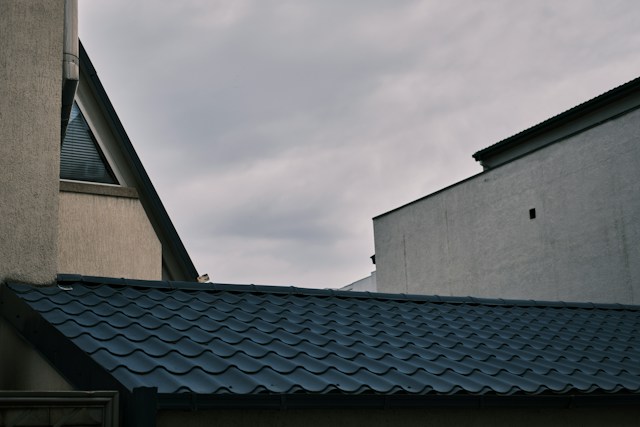
Metal installations offer distinct benefits for structures facing heavy snow loads or hail storms. Interlocking metal sheets shed ice quickly, reducing weight loads on load-bearing walls. Standing seam metal profiles feature concealed fasteners that prevent water seepage during torrential rainstorms. Synthetic tiles provide a similar aesthetic without requiring extra frame reinforcement.
Contractor Credentials and Warranties
Hiring qualified installers remains just as critical as choosing a new roof’s premium materials. Legitimate contractors carry active liability insurance and state licensing to protect property owners during construction.
Requesting local references helps verify past installation quality and customer service standards. Verifying active workers’ compensation policies protects homeowners from liability during on-site accidents.
Written contracts should list explicit timelines, payment schedules, cleanup duties, and specific product lines. Labor warranties protect against installation errors. Manufacturer warranties cover material defects. Reviewing warranty terms clarifies what coverage applies if leaks surface years down the road.
Budgeting and Financial Planning
Roof replacement costs involve more than basic shingle purchase prices. Budget estimates must account for labor fees, tear-off disposal, permit fees, and potential deck repairs. Unexpected structural fixes often arise once old materials get stripped away.
Planning a 10 percent emergency buffer within your budget prevents project delays when workers find rotten plywood. Financing options offered by licensed contractors help spread major replacement expenses across manageable monthly payments. Investing in higher quality underlayment materials adds upfront cost but extends total system life. Comparing detailed quotes from three distinct contractors yields fair market pricing.
Choosing a new roof demands careful evaluation of local weather demands, proper deck preparation, and airflow needs. Taking time to inspect attic ventilation, follow regional building codes, and select reliable materials protects your property value. Working with licensed local contractors guarantees precise installation and lasting peace of mind. A well-built roofing system offers reliable shelter and structural protection for decades to come.