How Check Valves Help Prevent Reverse Flow in Piping Systems
Fluid lines are used to transport fluids like liquids and gases from one point to another in a certain direction. As such, managing the flow of fluids is crucial in ensuring effective and safe piping systems operation.
Back flow can cause malfunctions in the machinery, negatively affect the operation of the system, and even cause damage to the pumps or contaminate the entire process. The check valve is one of the flow control devices.
Controlling Fluid Direction
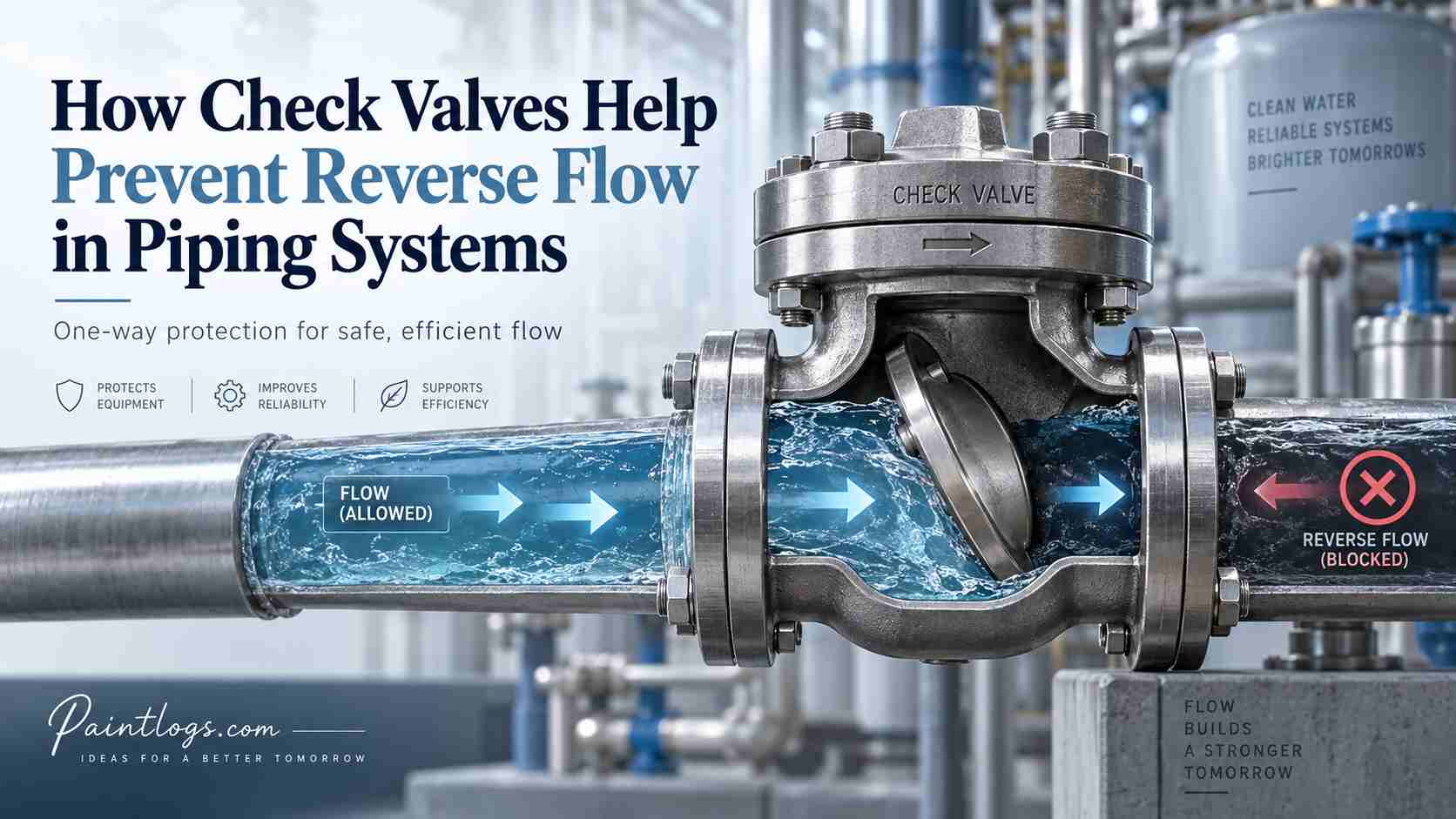
Check valves do not need an operator to manually move the valve in order to activate it. Once fluid flows through the pipe and enough pressure builds up, the valve automatically opens.
Should the flow of the fluid slow down, stop, or try to flow in the opposite direction, the valve automatically shuts. The ability to automatically open and close makes the check valve suitable for use in situations where there needs to be directional control.
Shutting of the valve helps to stop the flow of fluid in the reverse direction in order to avoid any backflow of the fluid back to pumps, tanks, or other equipment. Backflow may be caused by pressure changes within the pipe system.
Supporting System Efficiency
The backflow phenomenon may influence the performance of the piping system by affecting the pressure levels and preventing fluid flow in the designated direction. In case of multi-pump or multi-line systems, the uncontrolled reverse fluid flow may result in the movement of fluid through the non-operating part of the system. This may negatively impact the predictability of the process and put extra burden on the system components.
The use of properly sized check valves may ensure the desired flow direction while reducing pressure loss at the same time. The selection of valves should take into account parameters like fluid type, pressure, temperature, flow rate, pipe diameter, and installation conditions. It is crucial to select the proper valve size since the improper one may cause pressure loss.
Protecting Equipment
Reverse flow may increase the load on the pumping systems and other mechanical equipment. For instance, when the pump shuts off, the liquid can start moving backward through the discharge pipe.
This situation may lead to the generation of pressure variations and operation of the components in non-design conditions. In such a case, the check valve may be closed because of the loss of the forward pressure.
There are several types of valves that can be used in the piping system depending on their functionality. The butterfly valve can be used for flow control/flow isolation purposes, and check valves can be used for flow direction control purposes. Proper selection of the valves will help to solve these issues.
Reducing Operational Risks
It is possible that reverse flow could have an impact on more than just the equipment used in the process. In industrial processes, there are instances where it is necessary to keep different fluids separate to avoid contamination or mixing that would be undesired. By making sure that the check valve operates properly, it is possible to restrict flow between two areas of a system.
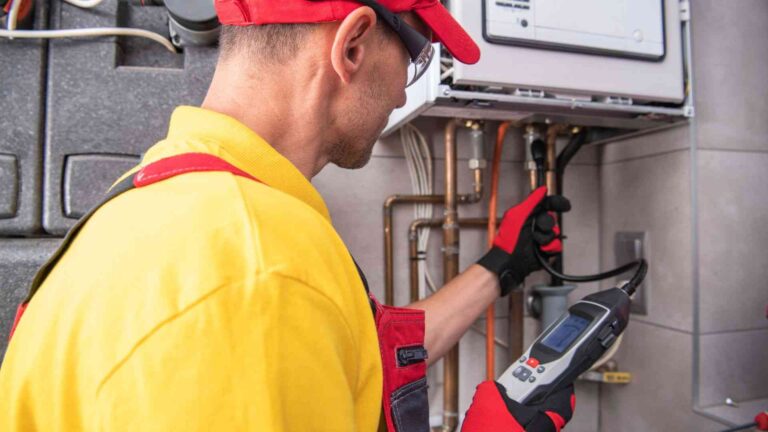
Maintenance is also something that plays an important role when it comes to proper valve operation. There are different reasons why a check valve may not seal itself properly, such as damage caused by debris, corrosion, wear, and buildup. These issues need to be detected through proper inspection before becoming a problem for the entire piping system.
Prevention of reverse flow plays a major role in ensuring that the piping system works efficiently. This is achieved through the use of check valves that automatically restrict any backward flow of fluids to ensure that pumps and pressure are maintained. If all the above criteria are well-matched to the particular valve being used, then the valve will be useful in backflow prevention.