Energy-Efficient Roof Upgrades for Modern Homes
Painting and maintaining a home exterior goes beyond applying fresh coats of house paint. The roof overhead plays a massive role in thermal performance and curb appeal. Upgrading your roof setup reduces utility bills and keeps interior spaces comfortable throughout every season.
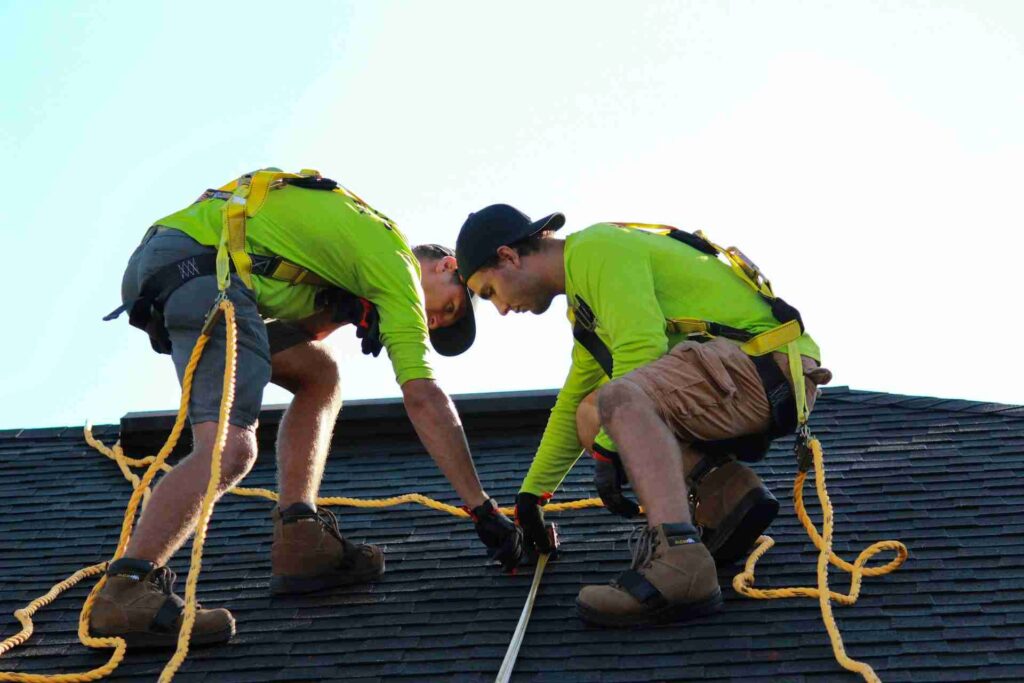
Tiled Conversions for Glass Structures
Property owners across the United Kingdom experience damp weather and freezing winter snaps that push heating systems to high output. Hiring trusted Guardian Roofs UK conservatory specialists turns drafty glass additions into fully insulated, comfortable rooms. Replacing outdated polycarbonate sheets with lightweight insulated tiles locks in warmth effectively. Clean exterior finishes matching existing house brickwork give the home a polished appearance.
High insulation values stop warmth from escaping through the top of the house. Homeowners notice immediate improvements in indoor acoustic comfort during heavy rainstorms. Downpour noise drops significantly once solid roofing panels replace thin glazing.
Solid ceiling structures allow for recessed LED spotlight installations, lowering lighting energy consumption. Interior finishes look far cleaner when painted with light, reflective wall colors.
Solar Reflective Coatings and Cool Roof Paint
Application of reflective roof coatings acts as a shield against intense sunlight. Dark roof surfaces absorb solar radiation, transferring heat down into the top-floor bedrooms. Specialized cool roof paints reflect light away before heat absorption occurs. Modern coating formulas create a protective barrier that keeps upper rooms cooler during peak summer afternoons.
Fresh reflective paint coats change how a structure handles summertime heat gain. Research from building energy studies shows cool roofs with high reflectance slash cooling costs by 7 to 15 percent in warmer climates. Proper surface preparation guarantees smooth paint adhesion for long-term thermal protection.
Applying a light-colored elastomeric coating can extend substrate life by shielding shingle surfaces from harmful degradation. Painters routinely inspect roof tiles for cracks before applying final reflective topcoats.
Modern Trends in Thermal Home Renovation
Current home improvement projects put heavy focus on practical comfort and modern living spaces. Data from home design surveys indicates current renovation trends focus on turning sunrooms into functional year-round living spaces. Homeowners want spaces that remain cozy regardless of outdoor weather shifts. Modern thermal upgrades make sunrooms usable during both frosty mornings and hot afternoons.
Combining wall insulation updates with modern ceiling structures keeps climate control balanced across the entire layout. Painting dark exterior trims with heat-resistant finishes adds stylistic flair without absorbing excess sun heat. Selecting weather-resistant exterior trim paint protects wood surfaces against peeling, cracking, and water damage over extended periods.
Vegetated Green Roof Systems
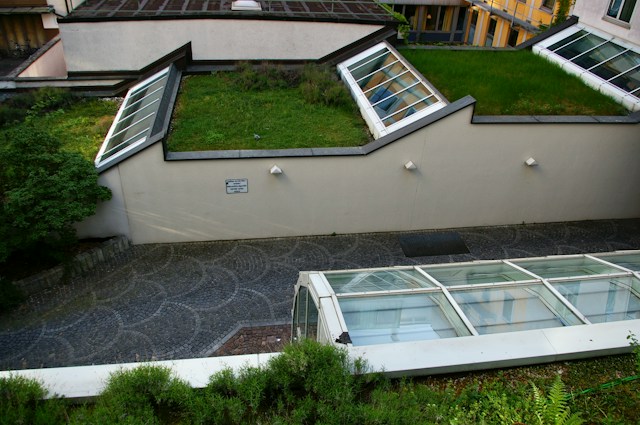
Planting living vegetation over flat roof surfaces provides natural thermal mass. Soil layers buffer harsh climate swings and absorb stormwater runoff. Green roofs protect underlying waterproof membranes from ultraviolet light exposure. Plant roots extract water from the soil medium, creating a natural cooling effect across top-level ceilings.
Environmental measurements highlight the thermal cooling capability of living roofs. Reports from environmental protection agencies state green roof surface temperatures drop up to 56 degrees Fahrenheit lower than conventional asphalt roofs.
This extreme temperature drop reduces urban heat retention dramatically. Lower surface temperatures reduce internal cooling demand for top floor spaces. Homeowners gain a lush green view that pairs nicely with exterior garden paint themes.
Key Materials for Modern & Energy-Efficient Roof Upgrades
Choosing suitable materials determines long term energy savings and maintenance needs. Home painters and DIY enthusiasts look for options balancing weather defense with visual charm. Selecting proper materials ensures your exterior project yields maximum insulation benefits.
- Lightweight synthetic slate tiles resist cracking and offer high thermal resistance.
- Reflective acrylic roof coatings lower surface temperatures and extend roof lifespan.
- Radiant ceiling barriers stop radiant heat transfer into attic spaces.
- Insulated roof panels combine waterproofing and thermal barrier protection into one step.
Matching the right coating or tile to your home design delivers strong functionality and clean lines. Regular exterior painting maintenance extends material life even further. Simple surface care keeps your home exterior looking sharp and maintains peak insulation efficiency. Routine washing removes atmospheric dirt before painting or recoating roof panels.
Proper Attic Ventilation and Insulation Seals
Upgrading outer roof layers works best when attic spaces beneath them are sealed correctly. Trapped humidity inside roof cavities ruins insulation performance and damages wood framing. Continuous ridge vents combined with soffit intake vents keep air moving freely. Balanced airflow prevents heat buildup in summer and stops ice dam formation in winter.
Applying spray foam seals around attic access hatches stops warm air leaks. Exterior paint coats on wooden soffits keep dampness out, protecting ventilation paths. Sealing ceiling penetrations like light fixtures and plumbing pipes stops conditioned indoor air from leaking into unconditioned attic spaces. Proper sealing efforts protect interior drywall paint from moisture staining and peeling.
Energy-efficient roof upgrades transform standard houses into durable, cost-effective spaces. Updating materials, applying thermal coatings, and sealing air leaks lower energy demand and improve curb appeal. Taking time to plan roof improvements yields lasting comfort and value for years to come.