
How exterior maintenance decisions can influence home protection
Home maintenance involves more than appearance. Learn how exterior upkeep, property improvements, and insurance considerations contribute to long-term home protection.
Taking care of your house demands continuous attention to both visual appeal and structural safety. Daily exposure to sunlight, heavy rain, and seasonal winds creates subtle wear that can compromise exterior surfaces long before visible damage appears inside your living rooms.
Developing a systematic approach to exterior maintenance protects your building materials while positioning your property favorably during coverage assessments. Combining disciplined physical upkeep with thoughtful coverage planning keeps your home safe and financially secure across all seasons.

How Should You Evaluate Coverage for Coastal Weather Exposure?
Coastal living brings unique environmental stresses, including salt-laden sea air, heavy wind-driven rain, and localized coastal flooding. Protecting coastal properties demands a double strategy that combines physical building reinforcement with well-aligned policy coverage.
Living near Atlantic shorelines requires careful management of severe tropical storms and coastal flooding hazards. Exploring options for homeowners insurance st. augustine fl or somewhere else local helps property owners align hurricane deductibles with their actual structural mitigation features. Selecting appropriate policy limits alongside physical upgrades builds a solid financial shield against sudden coastal storms.
Working with knowledgeable specialists makes sure that your policy accurately reflects recent structural improvements. Worsening storm patterns across coastal regions continue to impact property claim trends nationwide. Pairing strong physical construction with thorough policy planning keeps your financial investment secure.
How Does Exterior Upkeep Safeguard Structural Integrity?
Outer siding, wooden fascia, and exposed masonry act as the primary defense system against harsh environmental elements. Fresh paint formulations and weatherproofing sealants form a physical barrier that keeps moisture from penetrating exterior walls.
Unsealed building materials absorb humidity quickly, expanding during warm months and contracting when temperatures drop. Academic findings from the University of Minnesota Law School indicate that severe weather events like floods and windstorms are generating larger insurance claims across vulnerable areas.
Continuous expansion cycles create micro-cracks throughout outer claddings, creating pathways for driving rain to seep into internal framing. Water accumulation behind exterior siding quietly encourages wood rot and hidden structural weakening. Keeping surfaces sealed and well-maintained prevents water from reaching internal support beams.
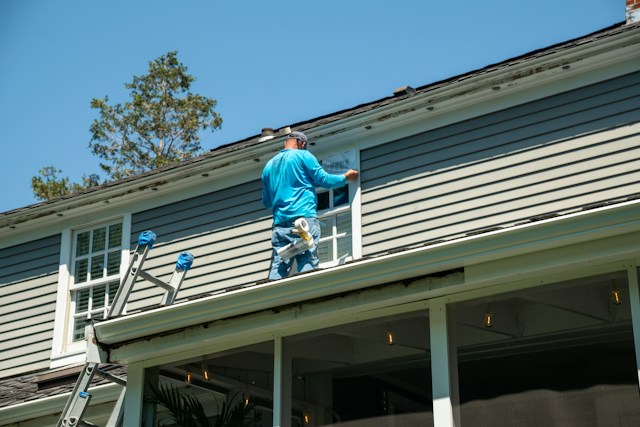
Scheduled surface cleanings eliminate airborne pollutants, salt spray, and organic growth before surface coatings erode. Washing away grime twice each year extends paint lifespan while keeping exterior walls completely watertight. Regular visual checks allow you to address hairline cracks before seasonal storms cause expensive internal water damage.
What Steps Keep Exterior Surfaces Weatherproof?
Establishing a reliable maintenance rhythm helps you catch surface breakdown early. Simple seasonal checks prevent minor cosmetic issues from expanding into major structural framing projects.
- Inspect exterior siding: Check wooden boards, vinyl panels, and masonry joints for cracks every spring season.
- Seal structural gaps: Apply durable outdoor caulk around window frames, external doors, and utility entry points.
- Clear drainage channels: Clean leaves and debris out of gutters to maintain unobstructed water flow away from your roofline.
- Maintain soil slope: Angle flowerbeds and grading downward away from foundation walls to stop pooling water.
Proactive surface care keeps outer cladding operating at peak performance. Routine seal repairs and clean drainage channels keep severe storms from compromising your perimeter defenses.
How Do Property Upgrades Influence Insurance Considerations?
Insurance underwriters evaluate your home based on physical risk exposure and ongoing building care. Standard policy terms cover sudden accidents or unpredictable storm events rather than long-term wear left unaddressed. Clarifying this distinction, guidance published on Mass.gov explains that property policies address unexpected damage beyond your control rather than routine maintenance tasks like replacing aged roofing.
Calculating replacement costs and structural risks requires underwriters to examine outer building materials closely. Sturdy building materials and fresh exterior finishes lower your risk profile during coverage evaluations.
Documenting property care provides tangible evidence of structural soundness when securing coverage. Keeping records of exterior painting, masonry repair, and structural seal replacement proves that your home receives ongoing preventative care.
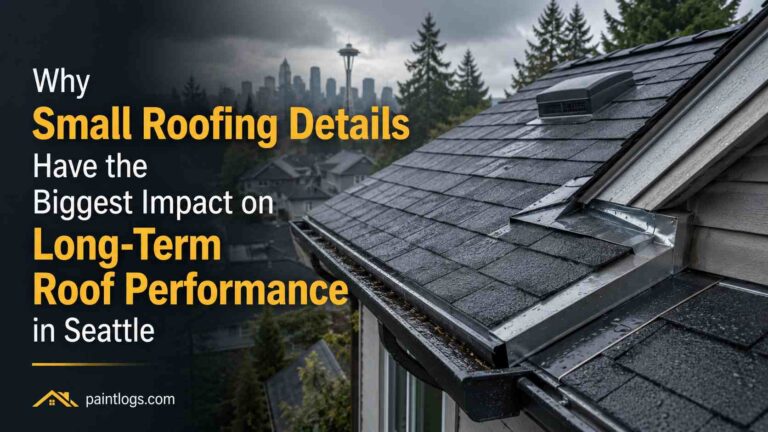
Your roof bears the direct brunt of heavy rains, hail, and high winds during major storm cycles. Shingles lose protective granules through age, reducing their resistance to wind uplift and moisture penetration. Cracked flashing around chimneys and roof valleys creates immediate entry points for severe rainstorms.
Addressing loose shingles and worn flashing keeps water from infiltrating roof decking. Completing small repairs quickly prevents interior ceiling leaks while demonstrating responsible property ownership to your carrier.
What Wind Mitigation Upgrades Offer the Strongest Protection?
Installing specialized structural hardware dramatically improves your home’s resilience against severe windstorms. Heavy-duty hurricane clips connect roof trusses directly to perimeter wall studs, preventing destructive uplift during tropical weather events. Secondary water barriers installed beneath outer shingles add an extra layer of defense if wind peels away roofing panels.
Impact-rated window glass and reinforced garage doors stop flying storm debris from breaching your outer shell. Preventing pressure build-up inside your home stops roof structures from lifting off under heavy wind loads. These structural upgrades make your dwelling far safer during extreme weather events. Research shared by the Insurance Information Institute highlights that structural coverage limits depend significantly on exterior wall construction, building style, and roofing materials.
How Do You Coordinate Ongoing Repairs With Policy Reviews?
Aligning physical home improvements with regular insurance reviews keeps your coverage synchronized with real-world replacement costs. Major projects like full roof replacements or siding upgrades alter your property’s total structural value.
Sharing detailed contractor invoices with your insurance agent allows them to update replacement cost estimates accurately. Maintaining a centralized file of repair receipts helps verify building updates during annual policy renewals.
Proper groundwater management prevents liquid from seeping into basement walls and lower living quarters. Directing runoff away from perimeter concrete stops foundation erosion and prevents structural shifting.
- Extend downspout outlets: Route gutter downspouts at least 5 feet away from your foundation edges.
- Install backup pumps: Place battery-powered sump systems in lower areas vulnerable to storm flooding.
- Inspect door seals: Replace worn weatherstripping along exterior doorways to keep driving rain outside.
- Elevate outdoor equipment: Lift exterior air conditioning compressors and electrical gear above ground level.
Systematic water management preserves concrete foundations and reduces indoor moisture problems. Combining effective drainage with sealed outer doors keeps heavy rainwater away from critical living areas.
Consistent exterior maintenance and informed insurance choices work together to protect your property’s physical condition and financial value.
Addressing minor repairs promptly keeps outer materials strong against environmental stress while supporting accurate policy valuations. Investing in routine upkeep, structural wind mitigation, and regular policy reviews secures your home against unexpected weather risks for years to come.