Essential Tips for a Successful Roof Painting Project
Maintaining a home involves looking at every major surface from time to time. The topmost part of a house shields everyone from harsh weather elements every day. A coat of fresh paint protects these exterior materials from early decay and improves visual appeal.
Many people choose to handle this task themselves to save money. Proper preparation and correct steps determine how long the final results will last. Taking time to understand the process makes a massive difference in the quality of the outcome.
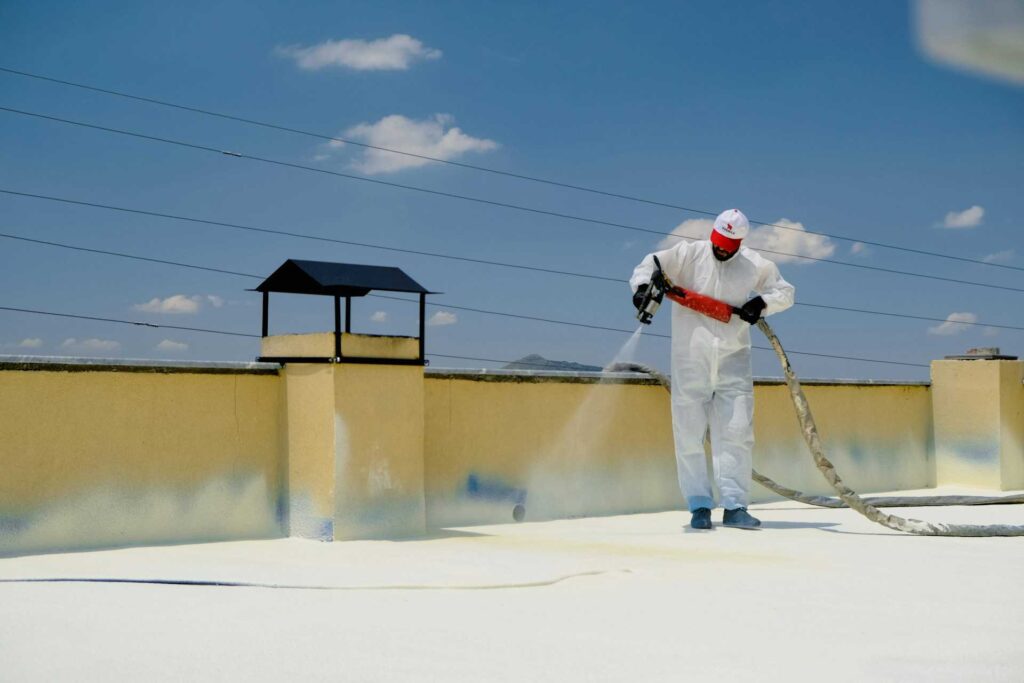
Evaluating Your Current Material Conditions
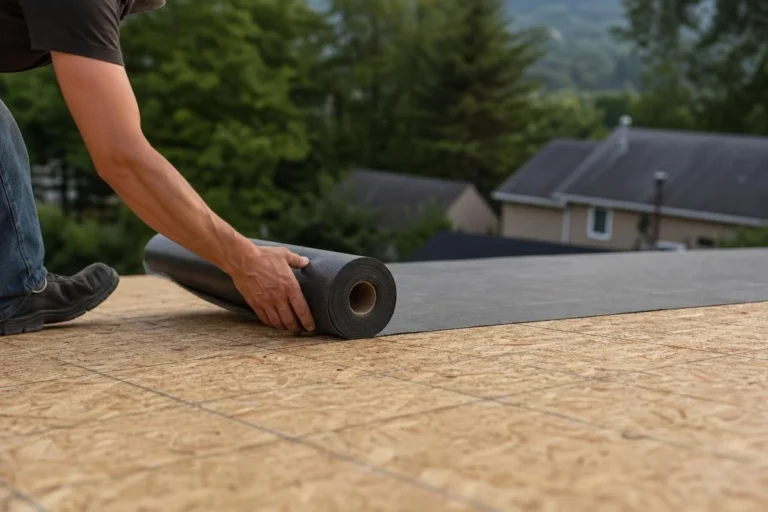
Homeowners often overlook the upper structure of their property until a major leak happens. Investing in regular maintenance or contracting reliable roofing residential services can prevent these expensive structural issues before they start. Property owners need to walk around the perimeter to spot cracked tiles or peeling coatings. Catching minor imperfections early prevents small issues from turning into major expenses.
A close inspection reveals whether a simple paint application is enough or if repairs must happen first. Old layers can flake off and ruin the new product if they are left untouched. Skipping this initial assessment leads to wasted materials and poor adhesion.
Finding the Perfect Weather Windows
Metal roofs face constant exposure to changing temperatures and shifting seasons. A professional trade blog explained that metal structures usually require repainting every 5 to 10 years. This timeframe varies based on the quality of past applications and local climate conditions.
An industry guide recommended scheduling a detailed evaluation of your top coating at least twice a year. Performing these checks during spring and autumn helps catch signs of wear before severe weather arrives. Clean surfaces accept new coatings much better during these mild seasons.
Regular monitoring identifies small flaws before they become expensive problems. Documenting the condition of your exterior surfaces helps track wear patterns throughout the years. This proactive approach keeps your home safe from sudden leaks.
Planning Around Seasonal Forecasts
Weather plays a massive role in how well a new coating dries and cures. An online publication suggested checking the local forecast to avoid working on rainy, windy, or excessively hot days. Such conditions ruin your visibility and reduce your physical stability on slopes. Extreme heat dries the product too quickly – this leaves ugly streak marks behind.
Wind carries dirt and loose debris straight into the wet surface during application. Selecting a calm day with moderate temperatures provides the best environment for uniform drying. Patience during the planning phase prevents the need for unexpected reworks later.
Mastering the Pressure Washing Process
Getting rid of old dirt, mold, and loose debris remains a critical step before opening any paint cans. A manufacturer’s sheet advised using a white 40-degree wide nozzle tip on a pressure washer. The equipment should maintain a maximum pressure of 2000 psi to avoid structural damage. This setting cleans effectively without blasting holes through older materials.
Holding the spray wand too close can strip away protective underlayers. Move the wand in steady, sweeping motions across the entire area. Allow the structure to dry completely for a full day before applying any new treatments.
Washing Safety Tips for a Successful Roof Painting Project
Never point the pressure washer at another person or fragile windows. Hold the equipment with both hands to maintain control against the strong recoil. Consistent pressure delivers an even clean across every square foot.
Addressing Rust and Surface Damage
Metal panels require extra care if rust has started to form on the edges. An expert painting guide outlined key steps for dealing with oxidized areas.
- Use a wire brush to remove all loose flakes.
- Apply a quality rust converter to stabilize the metal.
- Put down a dedicated metal primer before the final coat. These steps stop corrosion from spreading underneath your fresh paint.
Clean areas provide a stable base that keeps the top layer attached for a long time. Neglecting small patches of corrosion leads to bubbling and premature failure of the coating. Taking care of these small spots now saves thousands of dollars in future replacement costs.
Choosing the Right Coating Products
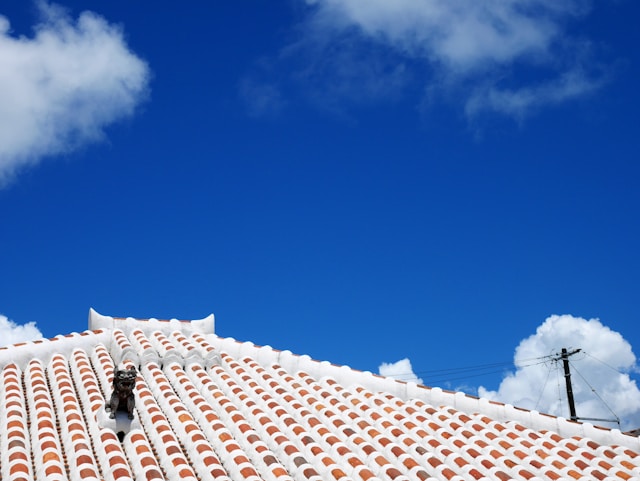
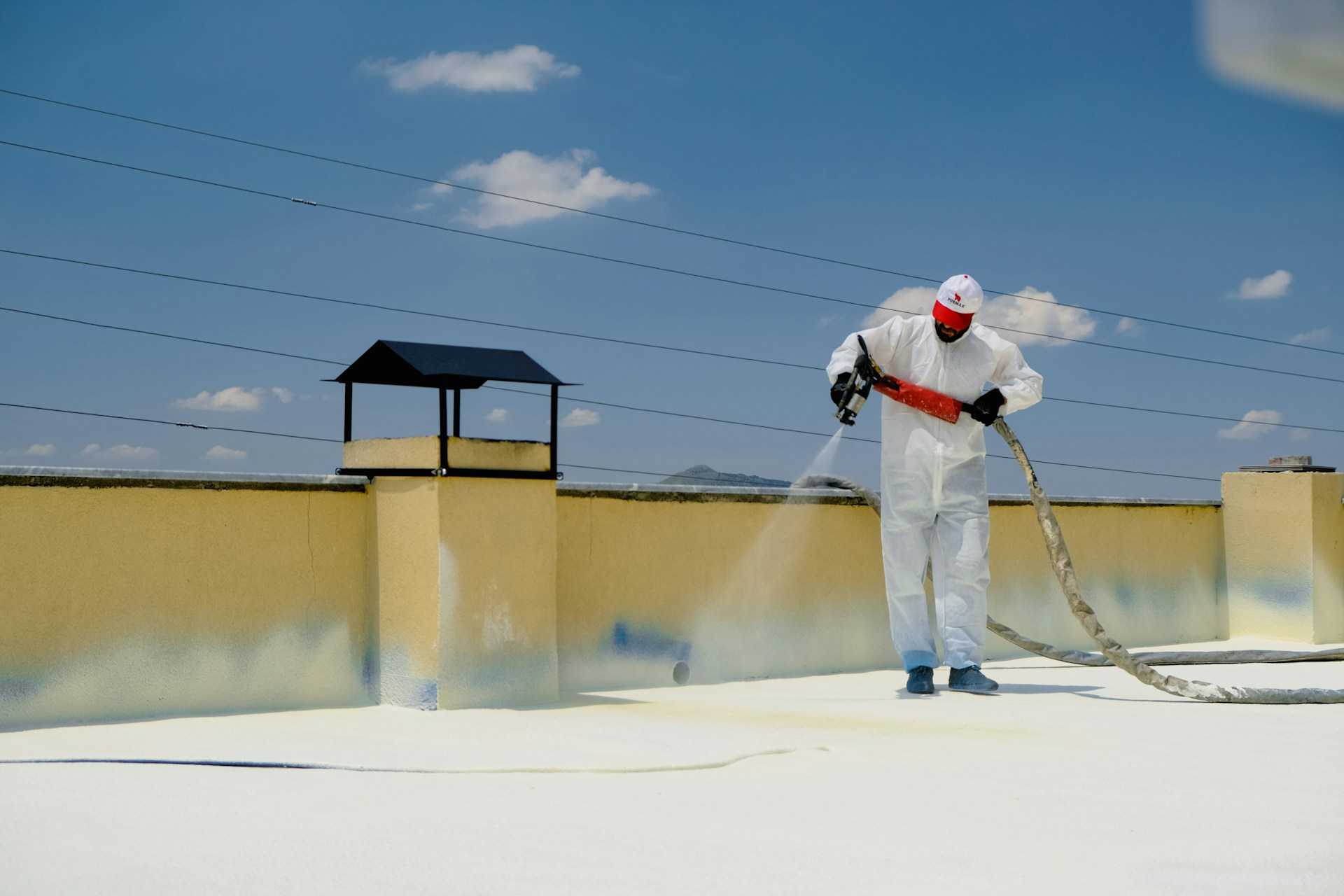
Selecting the proper formula determines the final success of your hard work. A regional roofing brief noted that high-quality acrylic latex paint works best for these particular home improvements. This material expands and contracts as the temperature changes throughout the year.
A government building directive stated that finish top-coats must consist of 100 percent acrylic exterior materials. These products resist fading from intense sunlight and hold up against heavy downpours. Investing in commercial-grade solutions means fewer repainting cycles over the lifespan of your home.
Safety Equipment and Setup Needs
Working at heights requires proper fall protection and sturdy ladders. Secure your equipment on a flat surface before climbing up to the roofline. Wearing shoes with excellent traction prevents slips on steep slopes.
Keep your workspace clean by removing loose tools from walkways. Inform family members about your work schedule so they stay clear of the perimeter. Safety measures protect you from severe injuries during the renovation process. Taking these precautions creates a secure environment for everyone near the house.
Completing this exterior renovation gives your property a clean look and long-term protection. Following the correct preparation steps saves money on future repairs. Your home will withstand harsh weather conditions much better with a fresh coat of quality material. Take your time during each phase to achieve professional results that last for years.