The Best Paint Jobs Still Lose in Dusty Houses: Why Finish Quality Starts With Air Control
Painters know something homeowners usually discover only after the invoice is paid: great paint does not live or die by color alone. It lives or dies by prep.
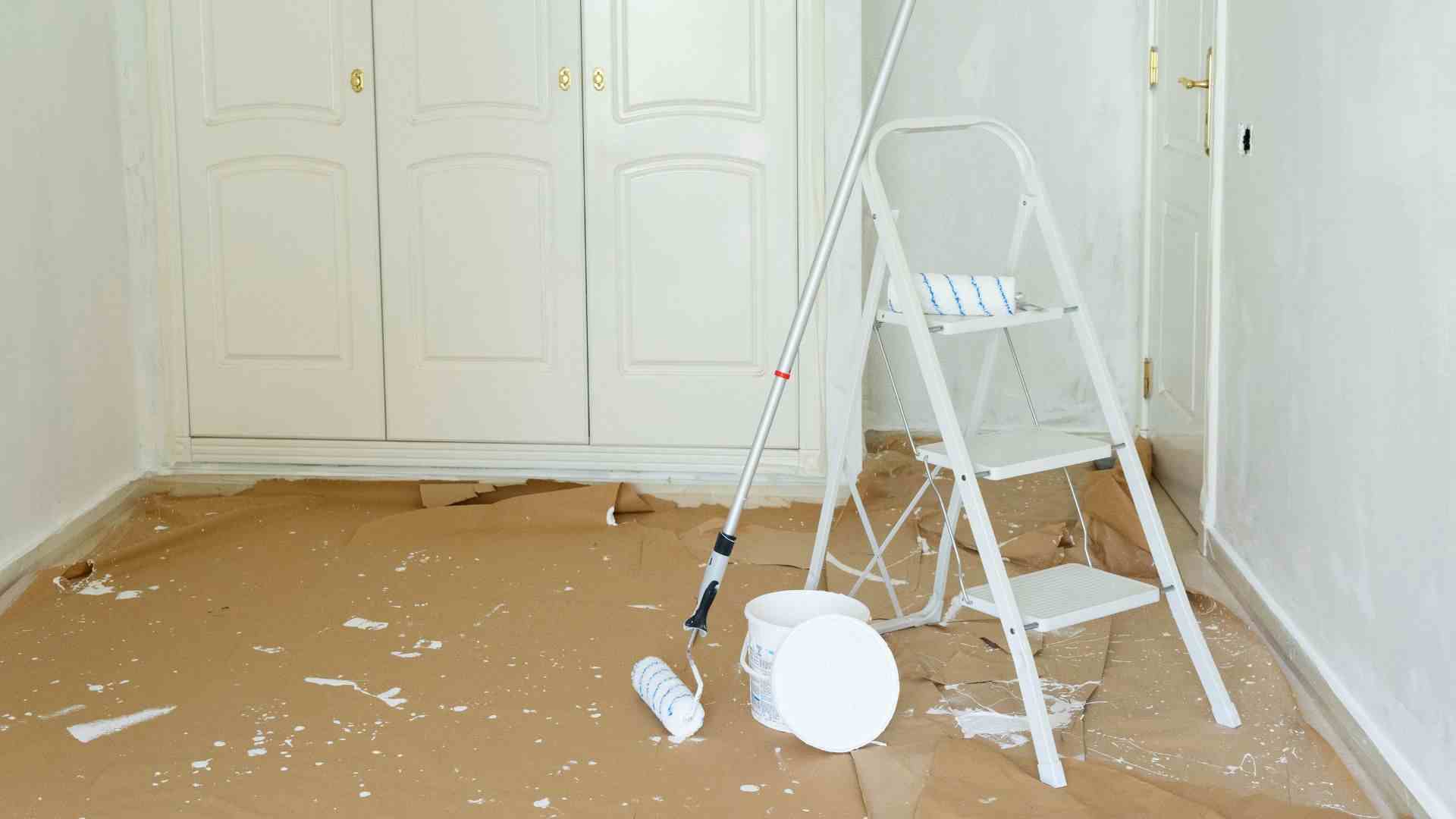
Most people understand prep in the obvious sense. Patch the wall. Sand the surface. Degloss what needs deglossing. Caulk gaps. Prime correctly. Clean before coating. All true. But in HVAC-heavy homes, especially in dry climates, there is another category of prep that affects the final result just as much as sanding technique or product choice.
Air control.
What is moving through the home while you prep, paint, and cure the finish as finish quality starts with air control?
That question matters more than ever in places like Southern Nevada, where March 2026 brought yet another blowing-dust advisory to the Las Vegas Valley. Painters, contractors, and homeowners all know what that means in practice: if the environment is dusty, the project is dusty, whether you acknowledge it or not.
And paint is brutally honest about its environment.
A finish can only be as clean as the room it cures in
One of the reasons homeowners get disappointed after a repaint is that they expect paint to create a fully new room on its own. Sometimes it does. Sometimes it almost does. But if old dust continues to cycle through the house, the room can start aging visually much faster than expected.
That shows up in frustrating ways:
- trim loses its crispness
- dark colors reveal a fine film quickly
- smooth surfaces look flatter than they should
- cabinet or built-in finishes show contamination faster
- corners and horizontal surfaces immediately start looking tired
The painter may have done excellent work. The product may be great. The color may be perfect. Yet the environment starts eroding the visual payoff within days or weeks.
This is why the most experienced renovators understand that paint performance is not only about adhesion and sheen. It is also about what is happening in the air during and after the project.
Dust management is not a cosmetic extra
In renovation-heavy homes, dust is not an annoyance. It is a project variable.
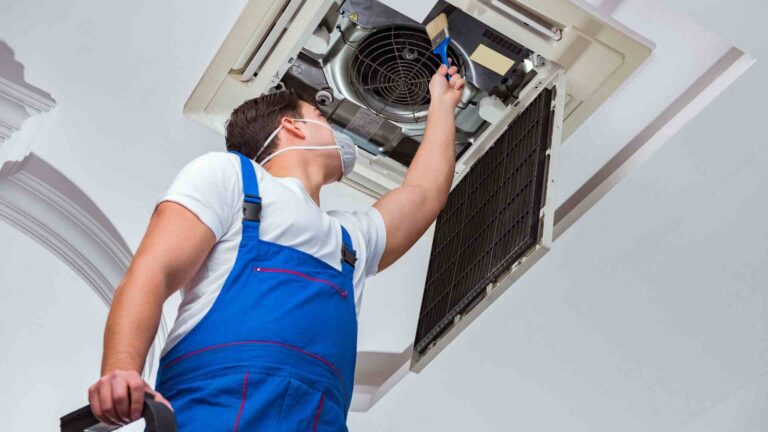
Drywall sanding, floor replacement, tile cutting, cabinet work, demolition, trim updates, and general construction traffic all create fine particles that do not disappear just because the visible mess gets cleaned up. Some settle in returns, ducts, grilles, and hidden pathways. Then, once the HVAC system is back in full use, those particles can re-enter the rooms you just finished upgrading.
This is exactly how a room ends up feeling both “new” and oddly unsettled at the same time.
Painters see the result constantly. The finish itself may be excellent, but the room does not hold onto that finished look because the house is still carrying the residue of the project.
Why the order of operations matters more than homeowners think
A strong renovation sequence is one of the biggest predictors of whether a paint job will feel premium or merely acceptable.
The most reliable sequence looks something like this:
- Finish major demolition and dust-producing work.
- Evaluate whether the home’s airflow environment needs attention.
- Deep-clean the project area.
- Complete final surface prep and painting.
- Let the finish cure in the cleanest, most stable environment possible.
- Do the final detailing once the room has settled.
When people skip step two, they often force the paint to compete against the house itself.
That is an expensive mistake because paint is usually one of the last visible investments in the project. By the time the finish is on, homeowners want to enjoy the result. They do not want to discover that the room is still acting like a construction zone.
Signs the issue is bigger than the wall
Before you assume the solution to a tired-looking room is repainting, pay attention to a few clues:
- vent covers show obvious buildup
- dust collects quickly even after careful cleaning
- the room feels stuffy or uneven in temperature
- nearby surfaces develop a light film soon after being wiped
- the house recently had remodeling, flooring, or drywall work
- black fixtures, darker paints, or satin finishes reveal dust immediately
Those details point to a context problem, not necessarily a paint problem.
And context matters tremendously because the most beautiful coatings are often the most unforgiving. Fine finishes, clean lines, tonal layering, satin trim, flat walls with great daylight, and smooth cabinetry all look best in a home that is not undermining them.
The smartest renovation budgets protect the visible investment
This is where many homeowners misallocate money. They budget for the beautiful line items and underbudget for the hidden line items that protect the beautiful ones.
They will splurge on:
- premium paint
- designer colors
- statement fixtures
- custom trim
- higher-end millwork
But hesitate on the maintenance step that helps all of those decisions land cleanly.
That is shortsighted, especially in a market where homes are being refreshed for resale, refinanced after upgrades, or renovated in stages. If you are trying to plan realistically, a resource like this breakdown of air duct cleaning costs in Las Vegas helps frame the hidden-system side of project budgeting before the visible finishes are left to carry all the expectation by themselves.
Not every paint project requires full-system intervention. But every smart homeowner should at least understand when it might protect the rest of the spend.
Paint quality is really finish quality
The reason this matters so much is that homeowners do not actually judge paint in a technical sense. They judge finish quality as finish quality starts with air control.
They judge:
- how clean the room feels
- how long it keeps looking sharp
- whether the surfaces stay visually crisp
- whether the project looks expensive after the first few weeks
That means finish quality is environmental as finish quality starts with air control. The room has to behave finished, not just look finished on day one.
This is especially true when painting is part of a bigger transformation. If you are modernizing a home, reworking a dated palette, or elevating a room with a more custom feel, the atmosphere around the finish becomes part of the design result. The visual impression is never just pigment on drywall. It is pigment inside a living system.
When invisible maintenance should come before the painter
There are a few scenarios where stepping back and evaluating the airflow environment before painting is particularly smart:
- after a substantial remodel
- before cabinet refinishing or trim-intensive work
- before repainting multiple connected rooms
- before listing a home for sale
- when recurring dust is already a known frustration
In those cases, the question is not whether invisible maintenance is glamorous. It is whether you want the room to look as good six weeks later as it does on the reveal day.
For homeowners who want to protect that result, professional air duct cleaning in Las Vegas is worth considering as part of project sequencing rather than as an unrelated afterthought. That perspective alone can change how successful the entire renovation feels.
Great color deserves a cleaner stage
Paint can transform a house faster than almost any other visible upgrade. It shifts emotion, proportion, light, and style with remarkable efficiency. But paint is not magic. It still has to live somewhere.
If the room it lives in keeps circulating old debris, carrying renovation dust, or settling into recurring buildup, the visual effect gets dulled faster than it should.
So before the first brushstroke, ask a bigger question than “What color should this room be?”
Ask, “What kind of environment will this finish be curing in?”
That is the kind of question professionals ask. And it is often the difference between a paint job that looks good and a paint job that feels exceptional.