
6 Prep Steps for a Complete Home Remodeling Project
Upgrading your living space is an exciting adventure that breathes new life into your property. Proper planning keeps the construction process smooth and reduces daily stress. Taking certain steps early helps you avoid common mistakes during the journey.
Getting your household organized before construction starts saves time and financial resources. Simple prep steps for home remodeling project will help you ready your property for the upcoming work. Let’s examine how to get ready for the big change.
Define Your Remodeling Goals
Think about what you want to achieve with your property before talking to builders. Decide which rooms need immediate attention and which spaces can wait. Having clear objectives prevents confusion when communicating with your contractor.
A clear vision helps your construction team understand your dreams. Planning a whole home remodeling project requires a solid foundation before physical work begins. The initial step prevents costly changes during the construction phase.
Take time to walk through each room with a notepad to record your thoughts. Write down the features you love and the areas that need functional improvements. The compiled list will guide your design meetings.
Establish A Realistic Budget
Money dictates what changes are possible in your house. Be honest about your financial limits before you begin selecting expensive materials or fixtures. Setting a firm spending limit prevents unwanted debt.
One renovation cost guide reveals that a major home overhaul averages around $48,600, with high-end projects exceeding $79,400. From choosing custom finishes to understanding home elevator costs for multi-story accessibility, knowing typical expenses helps you set realistic expectations for your design. Researching average prices in your local area prevents unexpected financial surprises.
Always set aside a cash buffer of at least 15 percent of your total budget. Unpredicted issues frequently appear once workers open up old walls or inspect aging plumbing. An emergency fund keeps your project moving forward without delays.
Gather Your Design Inspiration
Discovering your personal style is one of the most enjoyable parts of the entire process. Look for designs that match your personality and your home’s architecture. Collect photos of spaces that make you feel relaxed.
An interior design firm recommends creating a physical or digital mood board using Pinterest, design magazines, and pictures of favorite hotel suites. The collection helps your design team visualize your aesthetic tastes. Sharing visuals prevents miscommunication about your style.
Group your images by individual rooms to keep your ideas organized and clear. Keep separate folders for kitchen ideas, bathroom layouts, and paint colors. A neat organization keeps your thoughts focused when speaking with professionals.
Research and Hire Your Team
Finding the right professionals is critical for a successful outcome on a major project. Look for licensed, bonded, and insured contractors with excellent local reputations. Working with experts protects your investment.
Read multiple online reviews to see how contractors handle unexpected structural challenges. Speak with past clients directly to ask about their experiences with timelines. Gathering direct references helps you make an informed hiring decision.
Ask potential contractors about their communication styles and daily work schedules, as clear communication prevents misunderstandings during the long build process. Choose a team that answers your questions quickly and respects your boundaries.
Select Materials Early
Ordering your materials ahead of schedule keeps construction moving on track. Shipping delays can easily stall your project for weeks or even months. Selecting fixtures early makes sure everything is on site when needed.
A building industry guide suggests that investing in high-quality spray foam or rigid board insulation pays off in energy savings for decades. Spending more on hidden structures improves daily comfort. Smart insulation choices now save you money on utility bills.
Make sure to purchase these key items before construction begins:
- Kitchen appliances that fit into your updated layout.
- Flooring materials like durable tile or solid hardwood.
- Cabinet hardware and matching light fixtures for each room.
Prepare Your Home and Life
Construction is a loud and messy process that disrupts your daily routines. You must plan for the daily disruption to your family. Preparing your household mentally makes the construction transition much easier.
Pack up fragile items and clear out the active work zones completely. Store valuable belongings in a safe location away from dust and heavy traffic. Protecting your items prevents accidental damage during demolition.
Set up a temporary kitchen area in an unaffected room if possible. Plan alternative living arrangements if the noise becomes too loud to bear. Having a solid backup plan helps you maintain peace of mind.
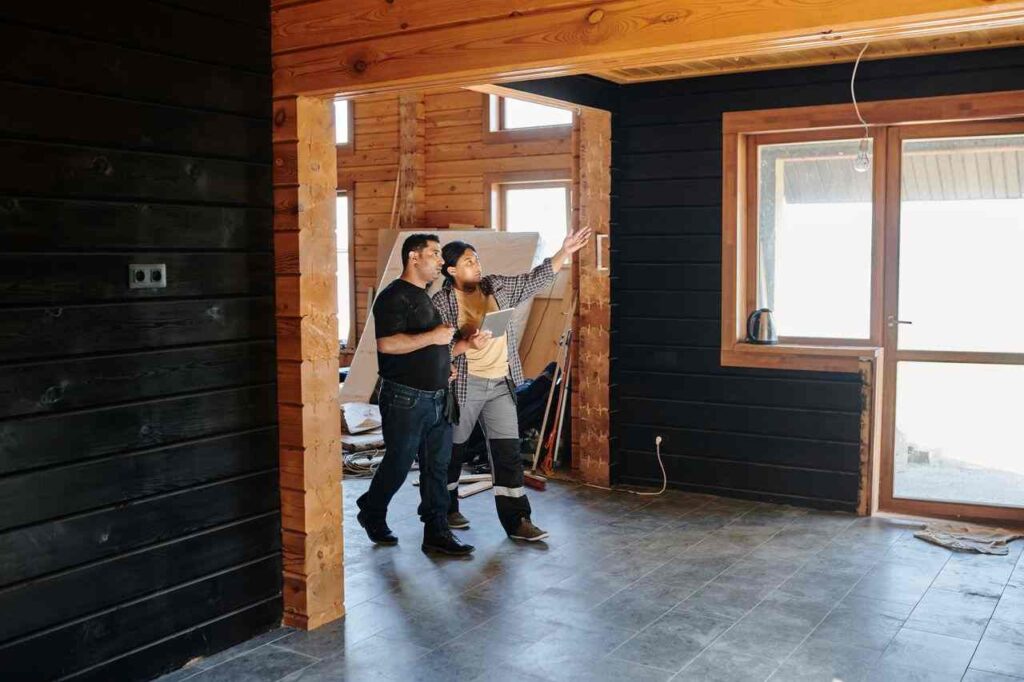
Renovating your home is a major journey that requires plenty of patience. Taking time to prepare your space reduces the stress of construction. A solid plan keeps the project moving smoothly.
Stay focused on your primary design goals as the construction work progresses. Soon you will enjoy a beautiful space tailored to your needs. Your dream house is well worth the preparation effort.