How Corporate Event Budgets Actually Get Spent on Tenting — and Where the Gaps Appear
Corporate events have a different budget dynamic from private ones. A wedding has a single decision-maker — or two — who owns the full scope of what’s being spent and why. A corporate event typically has a budget approved by someone who isn’t managing the execution, approved against a line item that says “tent and event infrastructure” without specifying exactly what that covers. The gap between what the line item assumed and what the event actually requires is where corporate event budgets most consistently run into problems.
The gap usually appears in the same places. The tent structure is quoted. The flooring that the venue or site actually requires isn’t in the initial number. The climate control that the season and the event duration demand gets added later.
The lighting beyond basic functionality — the element that makes a corporate event look intentional rather than functional — surfaces as a separate conversation after the tent contract is signed. By the time the full infrastructure picture is assembled, the total looks meaningfully different from the approved line item.
This isn’t unique to any specific vendor — it’s a structural feature of how corporate event tenting gets budgeted when the full scope isn’t defined upfront. The fix is a complete scope conversation before any budget is approved rather than after, so the number that goes to finance reflects what the event actually needs rather than an optimistic minimum.
For corporate event planners and internal events teams in Fairfield County, greenwichtent.com is where Greenwich Tent Company provides the kind of complete scoping that produces accurate budgets — built around what the event actually requires rather than what fits neatly in a first-pass estimate.
What Full Corporate Event Infrastructure Actually Includes
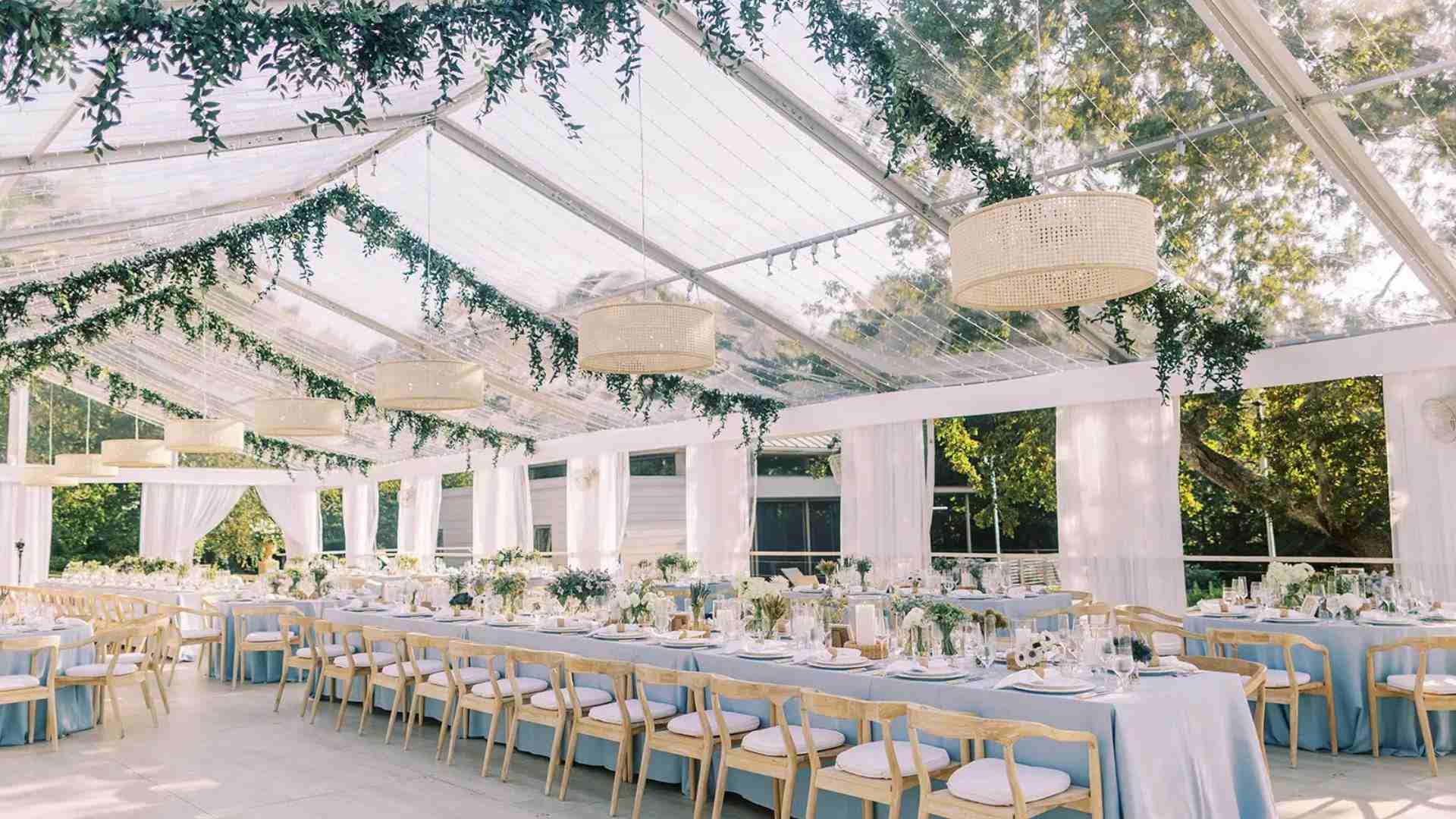
The tent structure is the starting point, not the complete picture. A corporate event that functions well for guests requires a floor that supports movement, networking, and catering service regardless of ground conditions.
Climate control that keeps guests comfortable through a dinner and presentation regardless of what the temperature does between arrival and dessert. Lighting designed around the event program — ambient lighting that creates atmosphere, directional lighting for a presentation or stage, functional lighting for service areas. Power distribution that runs all of this without requiring guests to navigate extension cords.
Furniture selection for corporate events carries its own specification requirements that differ from social event furniture. Tables configured for a dinner with a presentation component need to orient toward the stage or screen, which affects table shape, arrangement, and the clearance required for sightlines.
Chair selection for a seated dinner where guests are stationary for two or three hours is a different decision from chairs at a cocktail reception where people are moving. These decisions affect both the guest experience and the floor plan, which affects the tent size required — which is why furniture is part of the initial scoping conversation rather than a detail to finalize later.
Branding integration is a corporate-specific infrastructure consideration that residential events don’t involve. Signage locations need to be planned around the tent structure — where the rigging points are, what the interior geometry allows, how brand elements read against the tent fabric or frame.
A corporate event where branding is a key deliverable needs these decisions made during installation planning, not improvised on setup day when the tent is already up and the sign dimensions don’t fit where they were assumed to go.
How Accurate Scoping Protects the Corporate Event Budget
The difference between a tent vendor who scopes comprehensively upfront and one who provides a minimum viable estimate is felt most clearly when the budget conversation happens with finance.
A comprehensive scope produces a number that’s higher initially and accurate finally. A minimum estimate produces a number that’s lower initially and grows through change orders, additions, and the late-stage decisions that happen when reality doesn’t match the original proposal.
Greenwich Tent Company approaches corporate event infrastructure with the comprehensive scoping that accurate budgeting requires — identifying the full picture of what the event needs before the proposal is finalized rather than after the contract is signed.
For corporate events teams and planners in Fairfield County working against approved budgets that need to hold, that upfront completeness is what makes the difference.