Why Details Matter in Creating a Perfect Home
Designing a living space takes time and deep thought. Every single choice shapes the mood of a room. Small elements often make the biggest difference in your daily life. You notice these small items every time you step inside your front door.
People often focus on big furniture items first. They forget that smaller pieces tie everything together nicely. A balanced room relies heavily on these minor touches. These features turn an ordinary house into a personal sanctuary.
Choosing The Right Base For Floors
Flooring sets the foundation for your entire interior design plan. It affects physical comfort and how sound moves through the house. Picking the wrong surface can disrupt your daily peace. A good floor choice brings harmony to the entire layout.
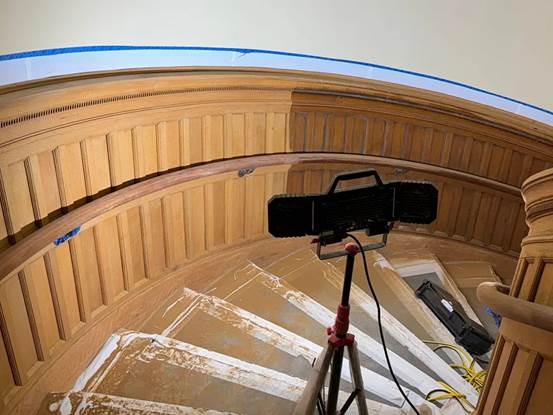
Walkways require careful planning to prevent heavy wear. Selecting durable carpet runners for modern homes provides a smart fix for busy hallways. These additions protect your flooring investments for years.
Hallways see the most foot traffic every single day. Adding a protective layer stops scratches and dents on hardwood. It keeps the hallway looking fresh and clean for guests. This simple addition saves you from expensive repairs later.
Understanding Surface Distribution
Flooring materials vary greatly across different regions and housing styles. A study by federal health researchers showed that carpet makes up about 50% of residential flooring in the United States. This widespread use means soft surfaces play a massive role in indoor environments.
Soft surfaces offer a warm feeling under your feet during cold winter mornings. They help reduce the noise of heavy footsteps echoing through open spaces. Choosing where to place these textiles shapes how your family uses a room. A smart placement makes common areas feel much more peaceful.
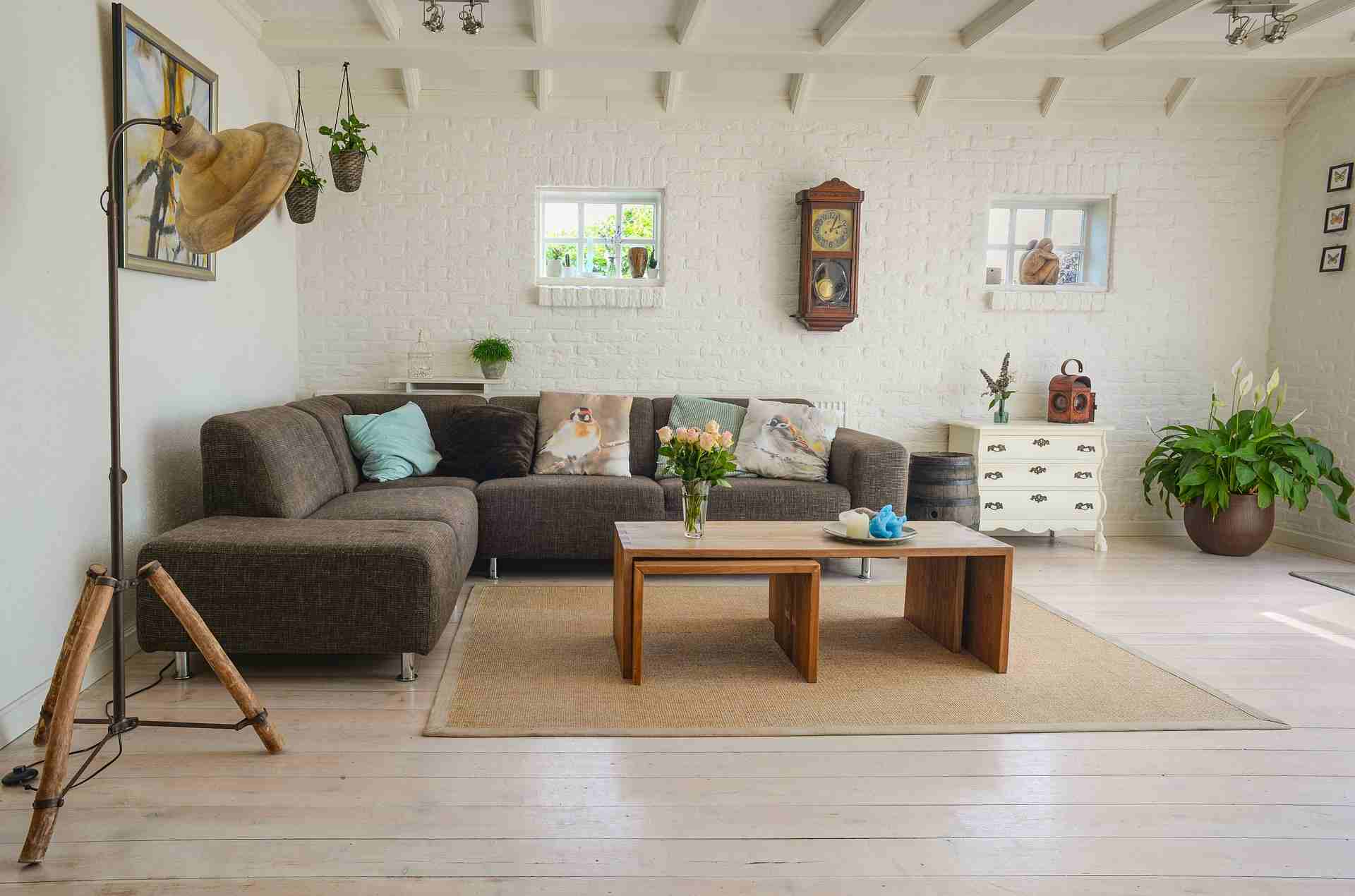
Many homeowners mix hard surfaces with soft textiles to balance the design. This mix creates clear visual boundaries without building solid walls. It helps separate dining areas from relaxation spots effortlessly.
Managing Indoor Air Quality
Clean air inside a house matters for long-term health. Fabrics gather particles slowly if someone skips regular vacuuming. A paper published in an environmental journal found that dust from carpeted floors holds 6 to 14 times higher mite allergen levels than smooth floors.
Regular maintenance prevents these particles from building up in fibers. High-quality vacuums with strong filters remove hidden dust quite well. Consistent cleaning routines keep the living space safe for everyone. This chore protects the well-being of guests who visit your house.
Smooth surfaces handle liquid spills much faster than woven textiles. Woven materials require immediate care to prevent permanent stains from setting. Knowing these traits helps you choose the right material for each room.
Balancing Visual Elements
Decorating a room requires a clear plan for colors and shapes. Matching different items prevents the space from looking chaotic or messy. Small accents help tie contrasting styles together smoothly.
Homeowners should consider a few design factors before buying decor:
- Color tones that match the existing wall paint.
- Fabric textures that feel comfortable against the skin.
- Item sizes that fit the scale of the furniture.
Lighting changes how colors look throughout the day. Natural sunlight makes fabrics appear bright and clean in the morning hours. Artificial bulbs change the mood completely when night falls.
Selecting Long Lasting Materials
Material strength determines how often you must replace home furnishings. Cheap items look good at first but wear out within 12 months. Spending a bit more upfront saves money down the road. High-quality materials resist daily wear much better than cheap budget options.
Sturdy fabrics withstand pets and children playing on the floor. Nylon and wool resist crushing from heavy furniture legs quite well. These options maintain their shape even after years of constant use.
Wood floors need periodic refinishing to fix deep scratches and scuffs. Protective padding placed under heavy items shields the surface from pressure marks. Taking these steps preserves the beauty of your home.
Creating Cozy Spaces
Comfort makes a house feel like a real home. Soft cushions and thick rugs invite people to sit down and relax. Cold, bare rooms feel uninviting to guests and family members. A few soft additions change the energy of a room completely.
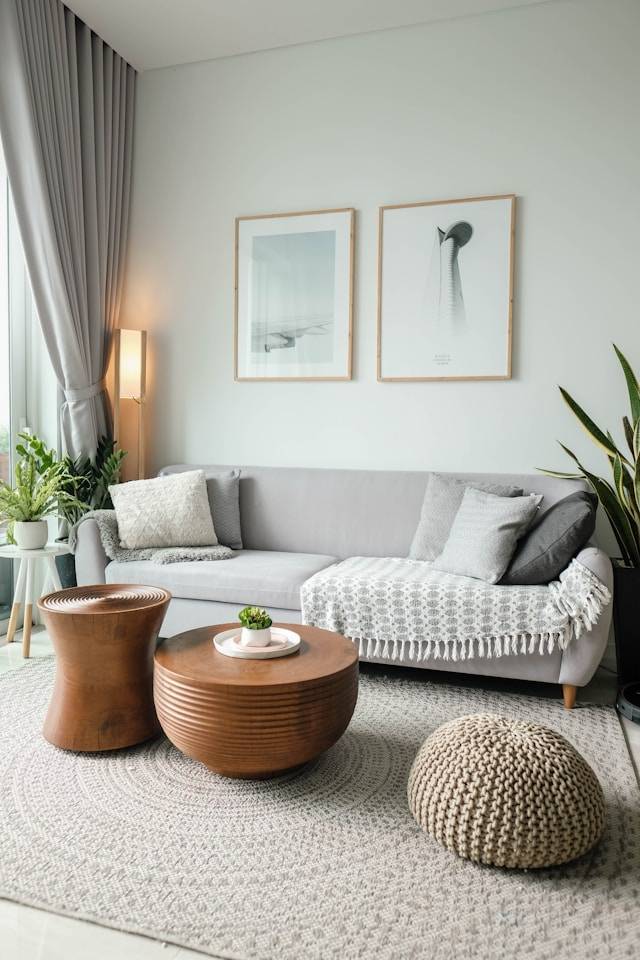
Adding layers to a bed or sofa introduces depth to the design. Different weaves catch the light in unique ways to create visual interest. It makes a bedroom feel warm and secure.
Small details like curtains block drafts during winter nights. Thick drapes keep the heat inside to lower utility bills. Functional decor serves a double purpose by saving energy.
Organizing The Final Layout
Placement of furniture dictates how people move through a room. Clear paths prevent accidents and make the space feel larger than it is. Moving a single chair can open up an entire area.
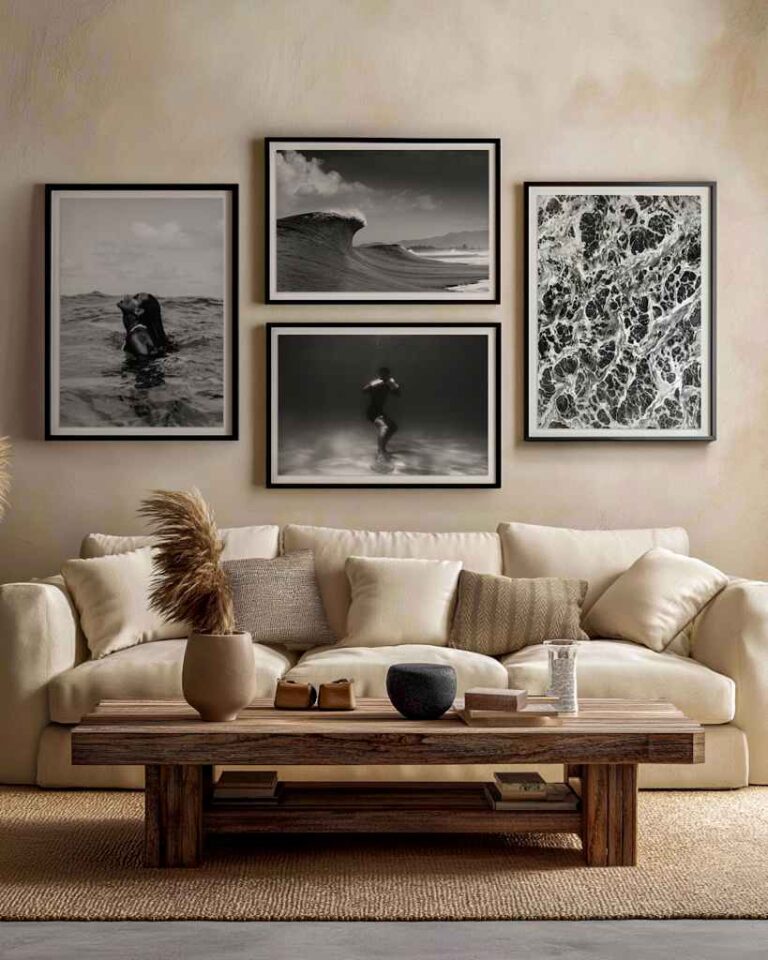
Wall art should hang at eye level for the best view. High frames strain the neck and look disconnected from the furniture below. Proper spacing makes the room feel balanced and complete.
Keep surfaces clear of clutter to maintain a peaceful environment. Clutter causes stress and hides the beautiful details you worked hard to choose. A clean home allows your design choices to stand out.
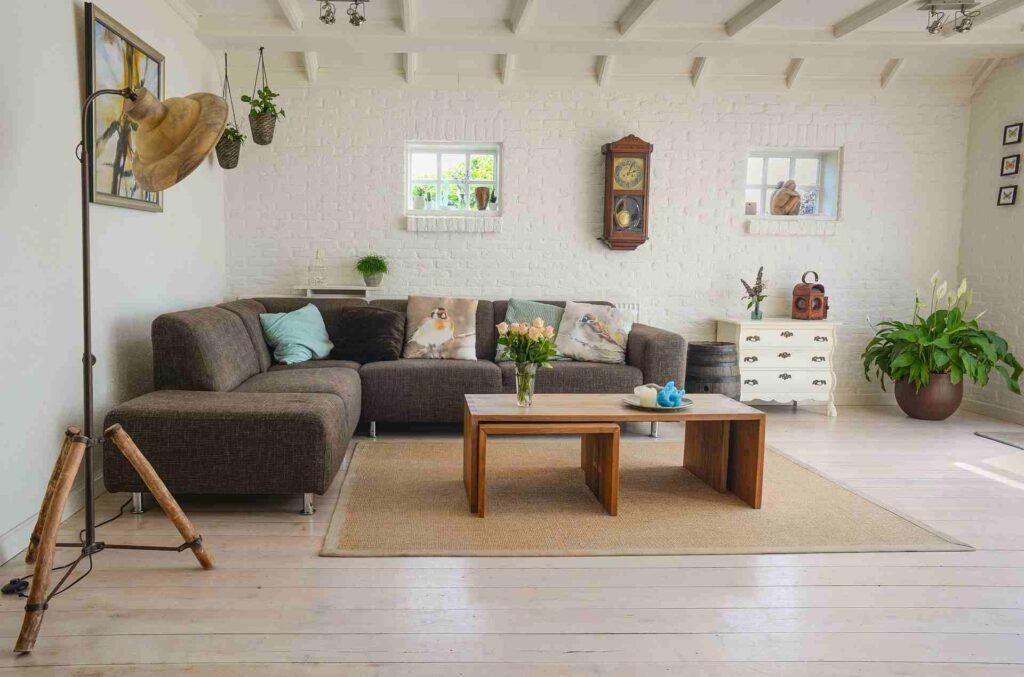
Creating a perfect home requires patience and attention to small pieces. Every rug, lamp, and color choice contributes to the final atmosphere. Focus on items that combine utility with style.
Take your time when selecting new additions for your living space. Small changes create a massive impact on your comfort and happiness. Your home reflects your personal story through these careful decisions. These elements complete the picture of a relaxing space.