Concrete Sealing Standards Every Contractor Must Know
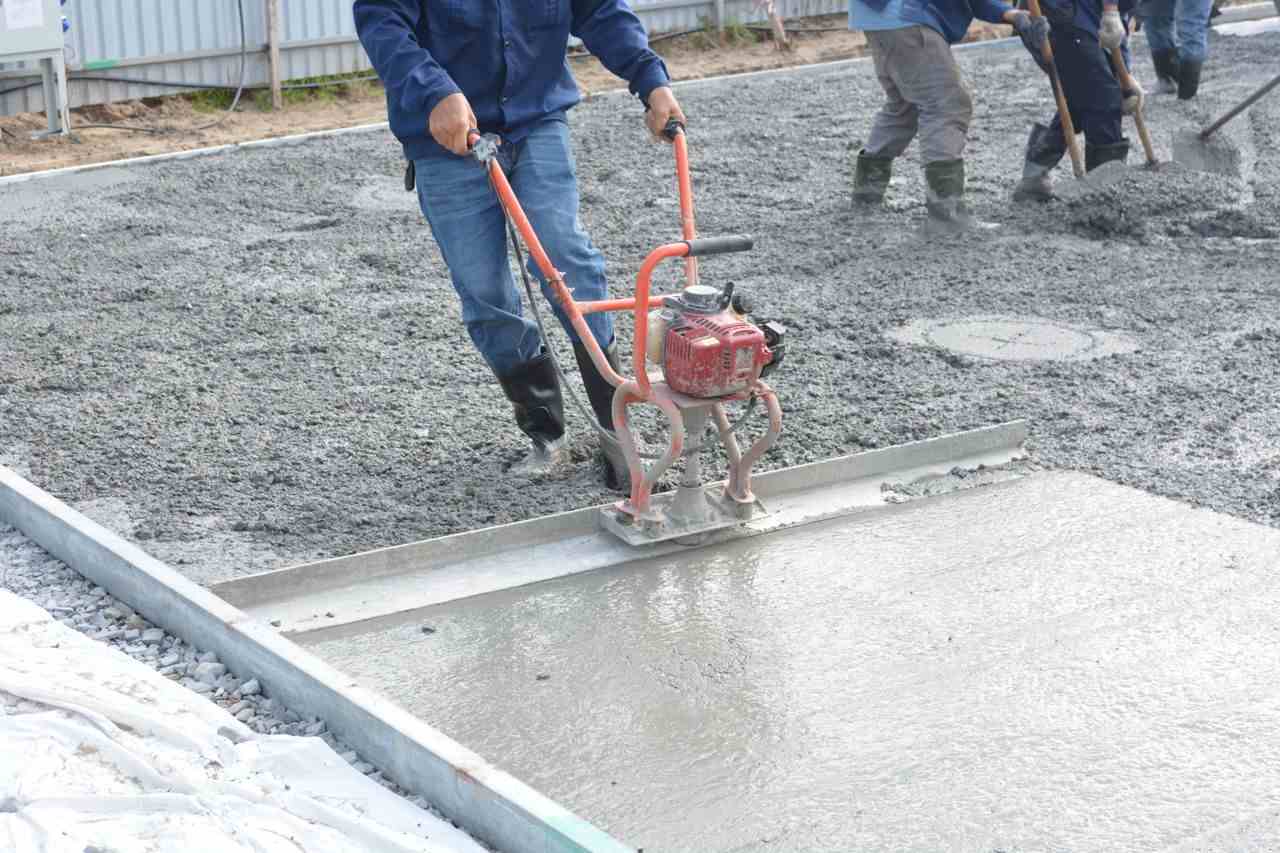
Fresh concrete looks immaculate right after a successful pour. Standard vehicle traffic, harsh weather conditions, and chemical spills soon threaten that clean look. Protecting the surface requires a professional touch and the correct application timing. Homeowners and commercial clients want their surfaces to look great for decades.
Applying a high-quality sealer shields the slab from early wear. Knowing the correct industry guidelines makes all the difference for a project. Following standard practices helps builders deliver durable results that last for years. This guide breaks down the key concrete sealing standards you must follow.
Proper Surface Preparation Requirements
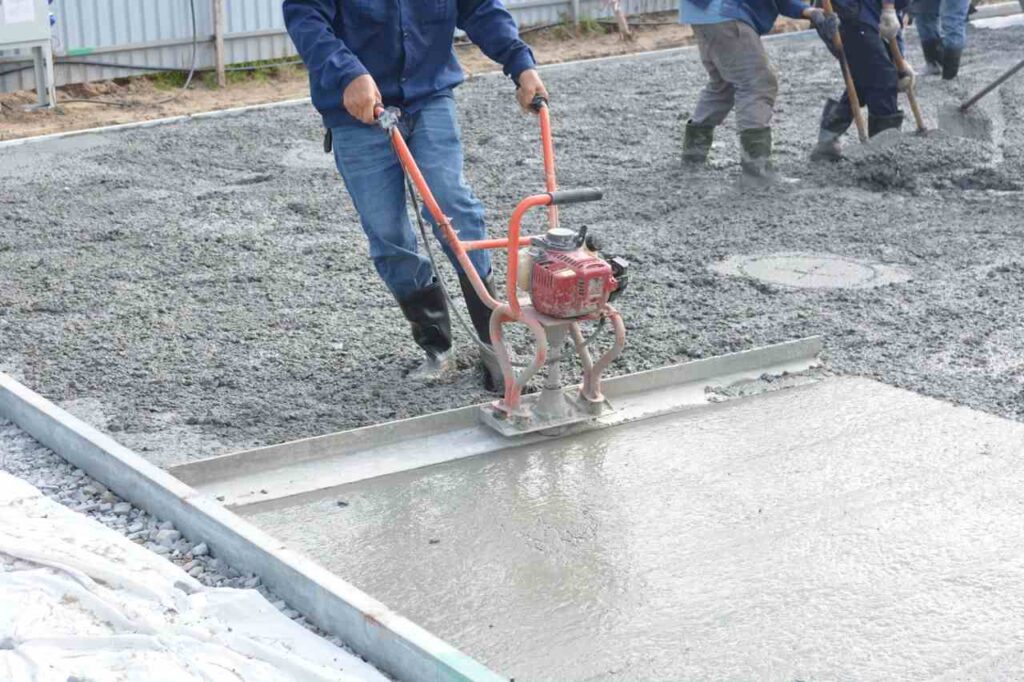
Unprepared concrete cannot hold a protective seal. Dirt, dust, and grease block the liquid sealer from sinking deep into the concrete pores. Thorough sweeping and pressure washing clean the surface completely before any chemical application begins. You must let the slab dry completely before applying any product.
Many builders fail to prepare the surface correctly before applying chemical coatings. Using proper protection, such as that found at inlandtarp.com, guards your jobsite against moisture and dirt during critical phases. A clean slab prevents peeling and guarantees the sealer bonds tightly. Taking this extra step saves time and money on future repairs.
Acid etching or mechanical grinding opens up tight concrete pores. This step is crucial for smooth troweled indoor floors that resist liquid penetration. Skipping this preparation stage leads to early coating failure and unhappy clients. A rough profile gives the liquid something solid to grip.
Selecting The Right Chemical Compound
Different environments demand distinct types of sealers. Acrylics work well for decorative concrete since they highlight the natural colors. Penetrating silanes shield outdoor highways from winter salts and freeze-thaw damage. Choosing the right product matches the specific needs of your project.
Epoxy sealers offer heavy-duty protection for indoor garage floors. They resist oil spills, hot tires, and harsh chemical drops. Polyurethanes provide a strong topcoat that resists scratches and heavy foot traffic. Mixing these products incorrectly can ruin the entire protective layer.
Choosing the wrong chemical leads to rapid wear and clouding. You must match the sealer to the expected level of traffic. Heavy trucks need different protection than light residential foot traffic. Consult with suppliers to find the absolute best match.
Moisture Testing Before Application
Trapped moisture destroys the bond between concrete and sealer. It creates white blush spots under the coating that are difficult to fix. Testing the slab moisture levels prevents this common and costly issue. Skipping this step often voids the manufacturer’s product warranty.
Contractors use several tools to measure water vapor emissions. Three standard options are used today by builders:
- Plastic sheet tests show moisture buildup over 24 hours.
- Electronic impedance meters give quick surface readings.
- Relative humidity probes measure deep inside the slab.
Wait at least 28 days before concrete sealing newly poured concrete. This waiting period allows excess water to escape naturally. Sealing too early ruins the entire finish and traps water inside. Patience and planning lead to a much stronger final slab.
Environmental Conditions And Temperature Limits
Weather plays a massive role in the success of your application. Applying sealer in direct sunlight causes rapid solvent evaporation. This high speed creates bubbles and ruins the smooth finish of the coat. Always look for shaded times of day to start.
Cold temperatures prevent the chemical from curing and bonding properly. Most sealers require temperatures above 50 degrees Fahrenheit during application. Avoid damp mornings when heavy dew covers the ground. Warm afternoons provide the ideal window for chemical curing.
High humidity slows down the drying process for water-based products. Check the local weather forecast before starting any outdoor job. Dry, calm days offer the best working conditions for professionals. Wind can blow dirt onto your wet coating.
Standard Curing Times And Application Methods
Applying the product requires the correct tools and steady hands. Sprayers give a thin, even coat on textured or stamped surfaces. Rollers work best on smooth, flat slabs where pooling is easily managed. Take your time to avoid leaving heavy roller marks.
A new low-carbon cement product achieved standard certification, aligning with standard U.S. concrete practices. This type of progress changes how builders view material compatibility. Modern mixtures require careful attention during the curing phase before sealing. Contractors must stay updated on these material shifts.
Curing times vary based on the sealer type and weather. Keep these standard timelines in mind during your project:
- Wait 2 hours before allowing light foot traffic.
- Avoid driving heavy vehicles for 48 hours.
- Allow 72 hours for a full chemical cure.
Safety Standards And Protective Gear
Solvent-based sealers release strong fumes during the application process. Wearing a proper respirator protects your lungs from these harmful organic vapors. Work in well-ventilated areas when sealing indoor spaces. Safety should always come first on every jobsite.
Chemical-resistant gloves protect your skin from irritation and burns. Safety glasses shield your eyes from accidental splatters and spray drift. Keep a first aid kit nearby in case of accidental contact. Wash your hands thoroughly after finishing the work.
Store all leftover chemicals in their original containers with tight lids. Keep these flammable liquids away from open flames and sparks. Dispose of empty cans according to local environmental regulations. Proper storage prevents dangerous accidents in your warehouse.
Mastering these concrete standards elevates your work above the competition. Clients appreciate surfaces that remain beautiful and strong through the years. Delivering high-quality results builds trust and brings repeat business. Your skill makes a lasting impression on every neighborhood.
Following proper preparation, selection, and application steps yields superior results. Your commitment to these methods secures your success as a trusted concrete professional. Stay focused on standard practices for every single project.