Senior Home Care Mistakes That Damage Your Home’s Paint and Finishes
Paintlogs readers usually come here for color palettes, cabinet refinishing tips, or advice on picking a finish that survives a busy kitchen. But a growing share of homeowners searching for painting guidance aren’t renovating for style, they’re adapting a home so a parent or spouse can age in place safely. That shift changes the calculus entirely. Grab bars, medical equipment, wheelchairs, and daily caregiver traffic put a different kind of stress on walls, trim, and finishes than a typical household ever sees.
Family caregivers are often juggling medication schedules, doctor visits, and safety checklists, so paint condition understandably falls to the bottom of the list. Yet peeling walls, moisture stains, and scuffed baseboards aren’t just cosmetic complaints.
They can signal ventilation problems, water intrusion, or surfaces that are becoming slippery or hazardous underfoot. Understanding where senior care routines collide with a home’s finishes helps families catch small problems before they become expensive renovations.
Cost is naturally part of this conversation too, since many families are stretching a fixed income to cover both caregiving and home upkeep. Resources like 12 senior discounts to know about in New York city can free up some budget that might otherwise go untapped, leaving a little more room to address the maintenance issues outlined below before they spread.
Mistake #1: Ignoring Moisture and Ventilation Issues in Bathrooms and Kitchens
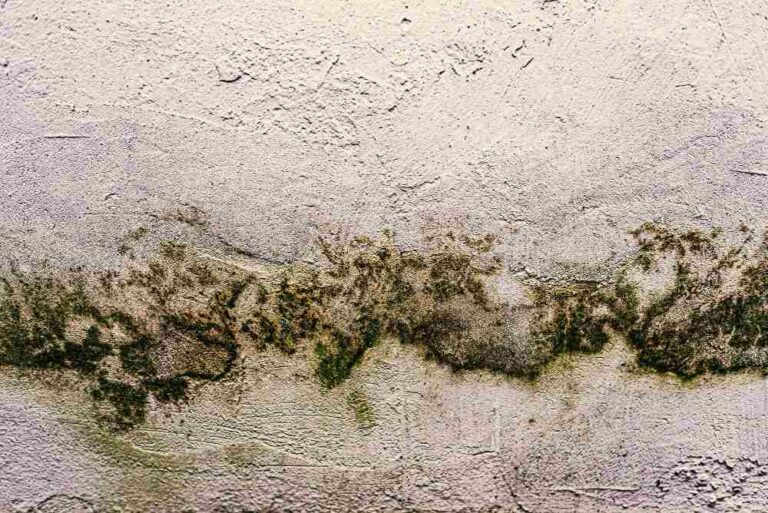
Many senior care routines involve more frequent bathing, sponge baths, or assistance with hygiene at the sink, and all of that adds humidity to rooms that may already have inadequate exhaust fans. When steam has nowhere to go, it settles on painted drywall and slowly breaks down the bond between paint and surface, leading to bubbling, peeling, and eventually mold growth behind the wall.
The same thing happens in kitchens when caregivers cook multiple meals a day without running a range hood, since grease-laden steam clings to nearby walls and dulls even a durable finish over time.
The fix isn’t complicated, but it does require consistency. Bathroom fans should run during and for twenty minutes after every shower, and a simple reminder taped near the light switch helps caregivers build the habit. Kitchen range hoods should be used for anything beyond boiling water, and any window that can be cracked during cooking should be.
Homes with chronic humidity problems may also need a bathroom repainted with a moisture-resistant, mold-inhibiting formula rather than a standard interior paint, which buys years of extra life even if ventilation habits slip occasionally.
Mistake #2: Choosing the Wrong Paint Finish for High-Traffic Senior Care Areas
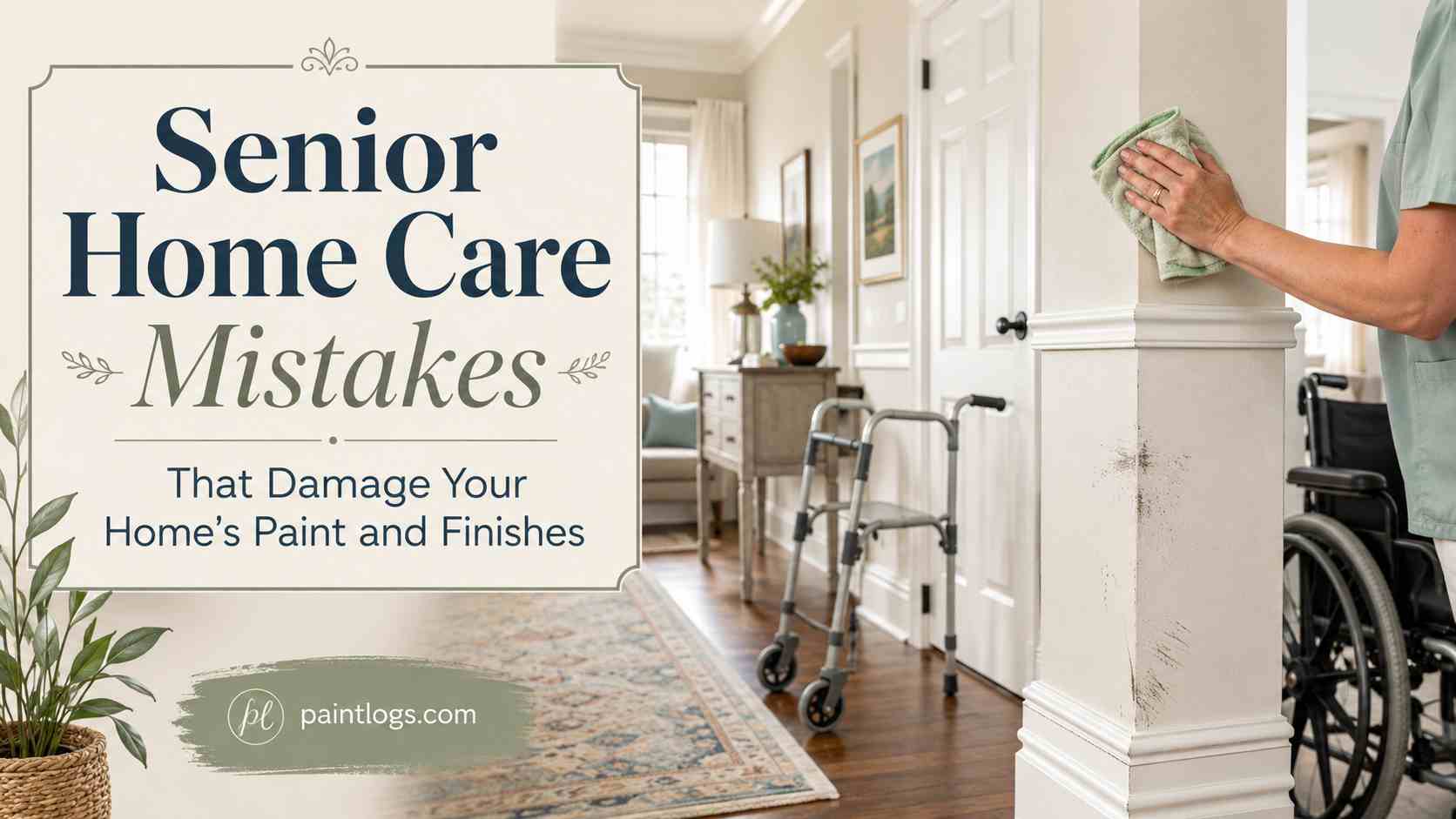
Hallways used daily for walker or wheelchair traffic, and rooms where a hospital bed or lift equipment gets wheeled in and out, take a beating that flat or matte paint was never designed to handle. Flat finishes look soft and elegant in a formal living room, but they scuff, mark, and absorb stains almost immediately in a space with constant contact from equipment, hands, and cleaning wipes. Once that happens, the wall looks perpetually dirty no matter how often it’s wiped down, which is discouraging for families trying to keep a home presentable and sanitary.
Satin or semi-gloss finishes hold up far better in these zones because they resist moisture, scrub clean without losing sheen, and reflect a bit more light in rooms that may already feel dim due to reduced mobility limiting how often blinds get opened. Trim and door frames near frequently used doorways benefit from an even higher-gloss option, since these are the surfaces most likely to take direct hits from wheelchair footrests or cane tips.
For families weighing these choices room by room, the guidance in interior painting expands breaks down which finishes suit which spaces, which is worth reviewing before repainting a home that now functions as a care environment rather than a purely residential one.
Mistake #3: Delaying Repairs on Peeling, Cracking, or Water-Damaged Paint
It’s easy to look at a small patch of peeling paint near a window or a hairline crack above a doorframe and decide it can wait until next season. In a senior care setting, that delay carries more weight than it would in an ordinary household.
Peeling paint chips can end up on the floor where they become a slip hazard, and the underlying cause, whether it’s a slow roof leak, a failed window seal, or rising damp near a foundation, only worsens the longer it goes unaddressed. What starts as a cosmetic touch-up job can turn into a drywall replacement project if moisture has time to spread behind the surface.
According to this article, an average of 2.9 million people 65 or older are treated in hospitals each year due to injuries sustained at home, and many of these incidents trace back to overlooked environmental hazards that also happen to damage paint and finishes, like damp flooring or crumbling drywall near a doorway.
Setting a habit of walking through the home every few months specifically looking for cracking, bubbling, or discoloration catches these problems while they’re still a quick patch-and-paint fix rather than a structural repair.
Mistake #4: Improper Installation of Safety Modifications Without Protecting Walls
Grab bars, stairlifts, and ramp railings are essential additions for aging in place, but installing them without the right anchoring or without protecting the surrounding wall often causes damage that outlasts the modification itself.
Drilling into drywall without a stud finder or proper anchor leaves a bar that wobbles under real weight, and repeated stress on a loose fixture tears at the paint and drywall around the mounting points until the whole patch needs replacing. Contractors in a rush sometimes skip masking the area entirely, leaving drill dust ground into fresh paint or scuff marks from equipment being carried through a narrow hallway.
Requiring installers to mask adjacent walls, use proper toggle anchors in non-stud areas, and touch up any scuffed paint before calling the job finished protects both the modification and the home’s appearance. It’s also worth reinforcing the wall section behind a grab bar with a solid backing board rather than relying on anchors alone, since that spreads the load and prevents the kind of stress cracking that eventually telegraphs through the paint.
These small installation standards matter more than they seem, especially since aging-in-place modifications have surged in recent years and many installers are still adapting to demand.
| Statistic | Figure |
| Annual senior home injuries treated (ages 65+) | 2.9 million people per year |
| Remodeling leaders reporting increased aging-in-place requests | 73% over the last 5 years |
| Adults 65+ who prefer aging in place without a caregiver | 60% |
| U.S. homes considered ready for aging in place | Only 10% |
| Common moisture damage triggers in senior homes | Unventilated showers and stovetop cooking |
Taken together, these numbers make one thing clear: most homes were never built with aging in place in mind, and the gap shows up first in paint and finishes long before it shows up in a home inspection report.
Families managing senior care rarely have the bandwidth to treat wall maintenance as a priority, which is exactly why building a few simple habits, running exhaust fans, choosing washable finishes, addressing small cracks quickly, and protecting walls during modifications, pays off so consistently. None of it requires major renovation budgets or specialized skills, just a bit of attention layered into routines caregivers are already managing every day.