
Bathtub Replacement Planning: Budget, Safety, And Daily Comfort
Key Takeaways
- Measure the tub opening, drain position, wall conditions, and access path before choosing a replacement.
- Compare estimates by what they include, not just the final price.
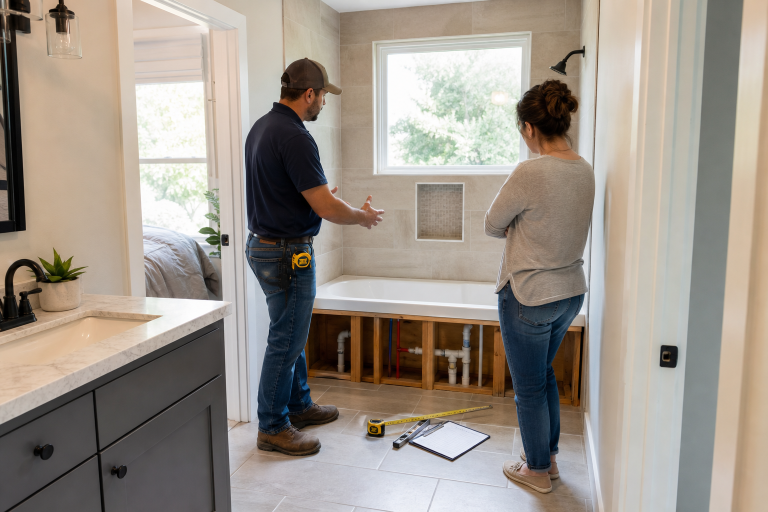
- Inspect plumbing, subflooring, framing, and waterproofing once the old tub is removed.
- Choose safety features that support every member of the household now and later.
- Refinishing, liners, and full replacement solve different problems.
Replacing a bathtub can improve comfort, simplify cleaning, and address problems that are easy to overlook behind walls or beneath flooring. A focused bath remodel may involve more than setting a new fixture in place, so careful planning helps homeowners avoid scope changes, water damage surprises, and a finished result that does not fit daily routines.
The best approach begins with the condition of the existing tub and the systems around it. A stain or dull finish may be cosmetic, while a cracked basin, recurring leak, or soft floor can indicate a problem that requires a more complete repair.
Why Bathtub Replacement Requires Careful Planning
A tub connects to drainage, supply lines, wall finishes, flooring, and moisture protection. Even a small change in width, height, or drain location can require plumbing adjustments, wall repairs, or new trim.
For example, a structurally sound tub with surface discoloration may be a candidate for refinishing. A cracked tub that flexes underfoot, however, may have allowed moisture into the floor or walls and should be investigated before a cosmetic fix is chosen.
Signs It May Be Time To Replace The Tub
- Cracks, deep chips, rust, sagging, or movement when someone stands in the tub.
- Leaks near the drain, overflow, caulk, faucet, wall, or surrounding joints.
- Soft flooring, peeling finishes, musty odors, mildew, or staining that keeps returning.
- An entry height, depth, or layout that feels uncomfortable or difficult to use.
- A worn surface that requires constant scrubbing or harsh cleaners to appear clean.
Visible mildew should not be covered with new caulk or a wall panel before the moisture source is corrected. The EPA explains that controlling moisture and fixing water problems are central to preventing recurring indoor mold growth.
Replacement, Refinishing, Or A Liner?
- Refinishing: Often makes sense for minor surface wear, stains, or a dated color when the tub remains stable, watertight, and structurally sound.
- A liner: Can be an option when the existing tub has a compatible shape, and the surrounding structure is dry, solid, and free of unresolved leaks.
- Full replacement: Is generally the better choice for major cracks, persistent leaks, poor layout, hidden damage, or a need for updated safety features.
Before deciding, compare the expected life of the solution with your plans for the home. Guidance on bathtub refinishing options can help clarify why a new-looking surface is not always the same as solving an underlying structural problem.
Measure The Existing Tub Area Correctly
- Measure the length from wall to wall and the width at the widest point.
- Record the height from the finished floor to the top edge of the tub.
- Measure the drain location from the front end of the tub.
- Check whether the walls appear square and whether the floor feels level and firm.
- Photograph plumbing access points, nearby fixtures, and the route through the home for removal and delivery.
Include wall finishes, trim thickness, and shower-door clearances in the plan. A tub that fits the rough opening may still create problems if the finished walls, drain, or faucet placement are ignored.
Choose A Tub Style For Daily Life
Layout And Comfort Options
- Alcove tubs are practical for compact bathrooms and tub-shower combinations.
- Soaking tubs offer greater depth for bathing but may require more water and floor space.
- Corner tubs can use an open corner, although they may reduce walking room.
- Freestanding tubs create a focal point in larger bathrooms but need clearance for cleaning and plumbing access.
- Walk-in tubs can provide lower-entry access, seating, and a more supportive bathing setup.
Think beyond appearance. Consider who uses the room, how often baths are taken, cleaning preferences, water use, and whether the bathroom must appeal to future buyers.
Materials, Surrounds, And Safety Features
Acrylic is lightweight, warm to the touch, and common in replacement projects. Fiberglass is also light and economical, but can be less rigid. Enameled steel has a durable finish but may feel cooler, while cast iron offers substantial durability and heat retention at a much heavier weight. Tile, solid wall panels, and other surrounds can all work well when the installation includes reliable waterproofing behind the finished surface.
Prioritize a slip-resistant floor, grab bars anchored to proper wall blocking, reachable handheld shower controls, bright lighting, and storage that keeps bottles off the floor. These choices support children, adults recovering from injuries, and people who simply want a safer bathroom.
Build A Realistic Budget
Bathtub replacement planning and execution costs vary widely by region, tub material, labor rates, demolition needs, wall finishes, and the condition found after removal. A complete budget should account for the new tub and surround, old-tub disposal, plumbing repairs or drain relocation, subfloor and framing repairs, waterproofing, fixtures, trim, permits, and temporary loss of bathroom access.
The lowest estimate is not automatically the best value. Ask whether it includes demolition, haul-away, wall repair, plumbing connections, final sealing, and cleanup. Also ask how hidden damage is documented, approved, and priced if it is discovered during the work.
Permits, Hiring, And Project Timing
Permit requirements vary by city, county, and scope. Moving plumbing, changing electrical work, or repairing structural components can trigger additional requirements, especially in older homes with aging pipes, tile, wiring, or flooring. Confirm requirements with the local building department before work begins.
When interviewing installers, request a written scope of work, product details, warranty terms, payment schedule, work-area protection plan, and estimated timeline. A typical sequence includes planning, selecting materials, preparing the space, removing the old tub, repairing hidden issues, installing the new unit and surround, testing drainage and seals, and then completing cleanup.
Maintain The New Tub
Use non-abrasive cleaners approved for the tub material, run the exhaust fan during and after bathing, and dry wet surfaces when practical. Inspect caulk, grout, joints, and plumbing connections every few months. Address drips quickly, and avoid placing heavy objects on thin tub edges or wall surrounds.
Final Checklist Before Work Begins
- Measurements, drain location, faucet placement, and access routes are confirmed.
- The written estimate identifies labor, materials, disposal, and possible hidden repairs.
- Permit responsibilities and inspection needs are clear.
- Safety features, fixtures, wall finishes, and accessories are selected before installation.
- Household members know which bathroom will be unavailable and for how long.
A successful bathtub replacement depends on what happens behind the finished surface as much as what is visible at the end. With accurate measurements, sound moisture control, realistic budgeting, and choices tailored to daily use, homeowners can create a bathroom that feels safer, more comfortable, and easier to maintain for years.