D&B: what height balcony railings should be and why one number is not enough
The question of balcony railing height seems simple only at first glance. For residential properties in California, what matters is not one dry number, but the entire safety system: how securely the railing is fastened, whether there is any movement, corrosion, or wear in the connections, and whether the exterior structure meets the requirements under which the property must be used without risk to residents. It is from this practical perspective that D&B approaches the repair and renovation of balconies, decks, and other elevated elements.
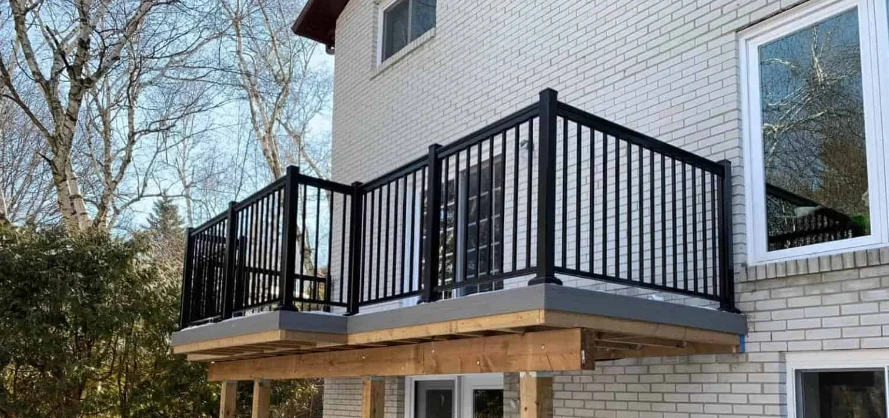
For residential occupancy groups in California, the required guard height is at least forty-two inches, and this benchmark is directly connected with safety on exterior elevated platforms. In D&B’s work https://www.decksandbalcony.com/, this issue is considered not separately from repair, but together with structural assessment, railing inspection, correction of defects, and bringing the property into compliance with current safety standards.
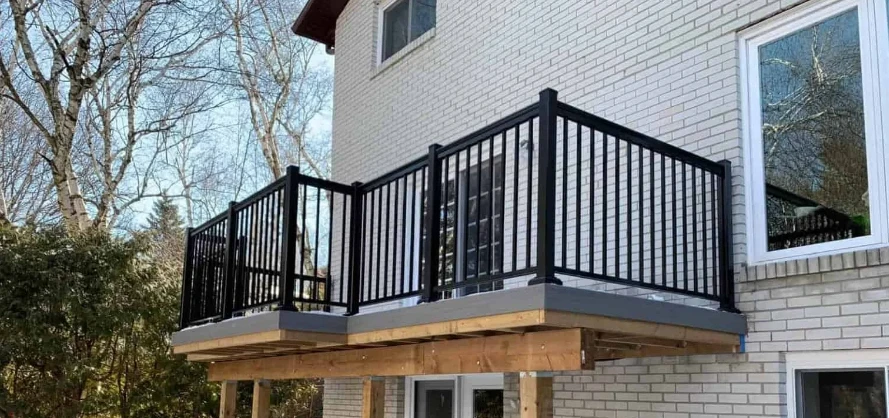
Why railing height is part of overall safety, not a separate formality
D&B works with balconies and deck structures as full exterior elements of a building. That is why the question of railing height is not reduced to a single tape-measure reading. If the railing is loose, if the fasteners are weakened, if there is rust, wear, or improper installation, even a formally acceptable height does not fully solve the problem. The company directly includes repair and reinforcement of damaged or outdated railings in its list of services and emphasizes that such systems must meet current safety standards and provide reliable protection.
This approach is especially important for apartment buildings, condominiums, and properties managed by HOAs. D&B works specifically with these types of real estate and helps not only eliminate defects, but also maintain the code-compliant condition of exterior elevated structures. When it comes to railings, this means one simple thing: the guard system must be of the proper height, stable, functional, and safe in real-life use, not only on paper.
What height standard applies to balcony railings in California
For residential properties in California, the guard height requirement remains forty-two inches. This is confirmed by materials from the California Department of Housing and Community Development, which directly state the continuation of the 42-inch guard height requirement for all residential occupancy groups in California, as well as by building standards requiring guards not less than 42 inches high. For the topic of balcony railings, this is the key benchmark used when evaluating compliance.
At the same time, D&B connects compliance not only with height, but also with the overall condition of the railing system. The company works with code compliance, safety inspections, and repair services, so in its approach the issue is framed more broadly: it is important not simply to bring the railing to the required height, but to bring the entire guard system into a safe, reliable, and code-compliant condition. This format is especially relevant after inspections, code enforcement notices, or as part of work related to SB-721 and SB-326.
What D&B considers to be railing system problems
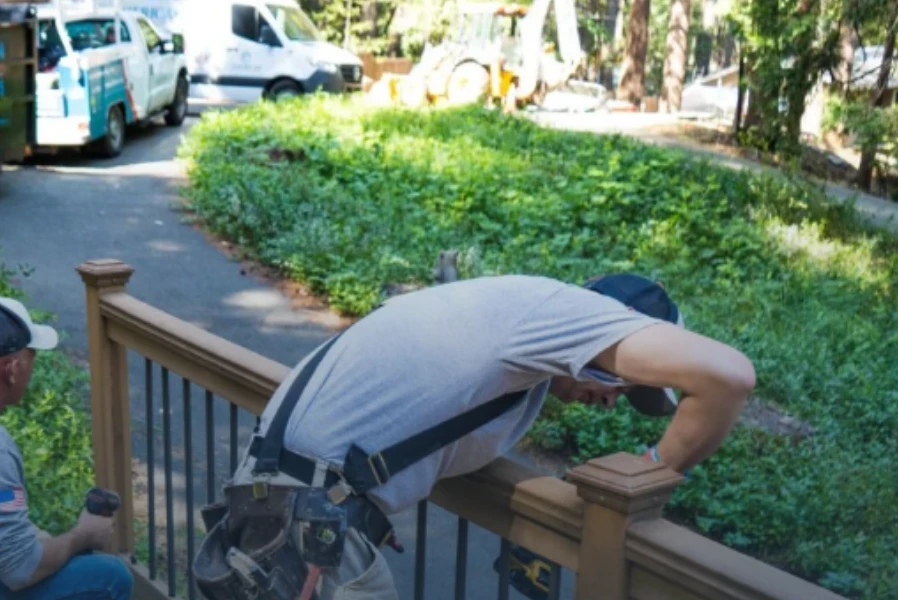
- Loose elements that no longer provide reliable protection.
- Corrosion in joints and metal components.
- Wear that reduces the reliability of the guard system.
- Improper installation.
- Gaps in balusters and problem areas within the railing system.
- Violations that cause the railings to fall out of compliance with current safety standards.
This list shows that the question of height cannot be separated from the quality of the entire structure. If posts are unstable, fasteners are weakened, and connections are rusted, the exterior guard system no longer requires a theoretical discussion of the standard, but specific corrective work. This is exactly where D&B operates: the company assesses the condition, determines the scope of repair, and restores the system so that it once again performs its protective function.
When replacing the railings alone is not enough
At properties with exterior elevated structures, the railing is often connected with deeper problems. D&B separately works with structural assessment, balcony repair, deck and balcony replacement, waterproofing, and safety inspections. This matters because a defect in a balcony railing often goes hand in hand with weakened support areas, water damage, concrete deterioration, worn transition points, or other signs of general wear in the exterior element. In that case, it is not only the railings that are replaced, but the entire assembly is reviewed as a whole.
For multi-family properties, this approach is especially useful. SB-721 and SB-326 require regular inspections and repairs for elevated decks, balconies, and walkways, and D&B supports such properties with compliance, repair, and maintenance services. That is why, in practice, the question of railing height is often addressed as part of a broader task: bringing the exterior structure into a safe condition after inspection and resolving all issues that affect the use of the property.
What the property receives after the railing update
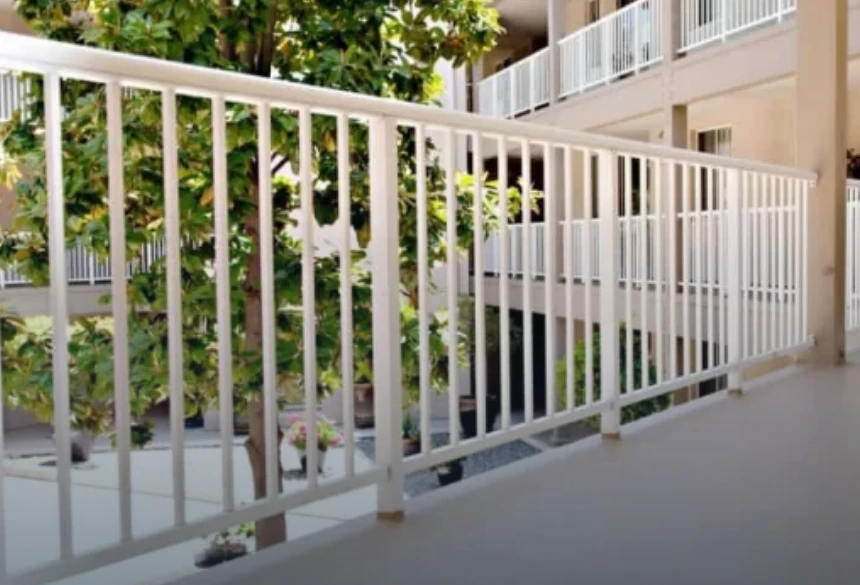
- Railings that comply with the current height benchmark for residential properties in California.
- A more reliable guard system without movement, weakened joints, or visible defects.
- Correction of problematic connections, rust, and worn sections.
- Clearer compliance with safety standards and code requirements.
- Better protection for residents and a reduced risk of claims related to the unsafe condition of exterior elements.
D&B focuses on exactly this result. The company does not limit itself to a local part replacement if the property requires a broader scope of work. It combines inspections, repair services, railing updates, and code-related tasks within one process. Because of this, the question of what height balcony railings should be receives a practical answer: for residential properties in California, the benchmark is forty-two inches, and the railings themselves must be not only the proper height, but also functional, stable, and safe in everyday use.
D&B and the right approach to balcony railings
For D&B, the topic of balcony railings is not reduced to a single requirement. The company works with guard systems as part of the overall safety of the exterior structure, checks the condition of the system, eliminates wear, reinforces problem areas, and helps bring the property up to current requirements. This approach is especially important for managers and property owners who need not a formal repair, but a clear and lasting result.
When a property needs its railings brought into proper condition, height compliance checked, and technical weak points corrected at the same time, D&B offers a professional format of cooperation. The company helps assess the condition of the guard system, determine the real scope of work, and bring the exterior element to a condition in which compliant height, strength, and everyday safety all matter.