Finding Quality Trees for Sale for Your Landscape
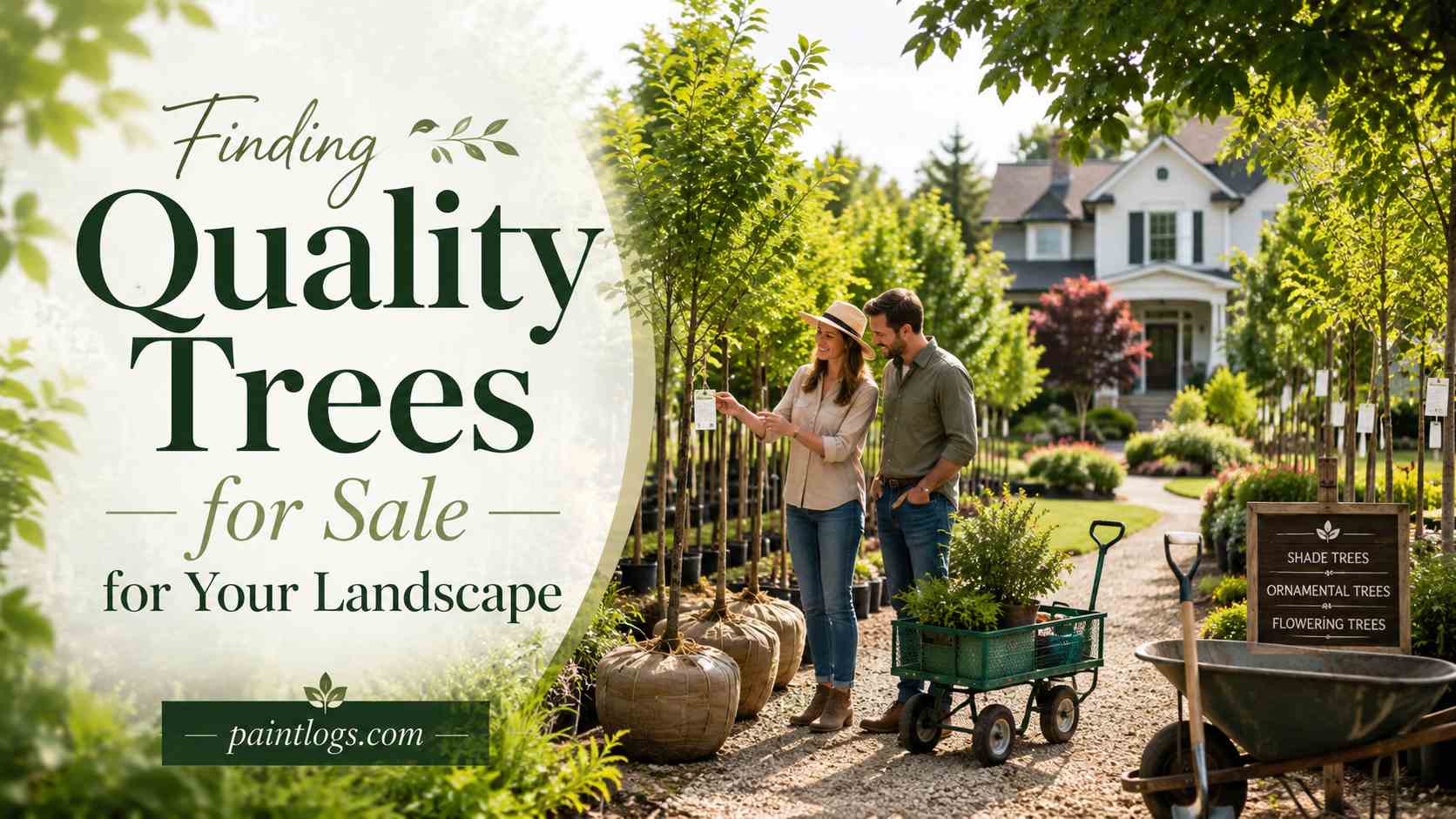
A tree farm grows and supplies mature plants that can thrive in various soils and climates. When a customer purchases a tree, specialists provide aftercare services; these include transplanting and seasonal trimming. Here is more information about finding quality trees for sale for your landscape:
Locally Grown Options
Customers may select local options when looking for quality trees for their landscapes. Local trees adapt to the area’s environment after being planted. Their cellular structures and root systems are adjusted to survive the local climate and soil conditions without experiencing transplant shock. Highly adaptable plants require fewer chemical inputs or interventions to remain healthy, and this promotes higher survival rates.
Trees suited to the region are more likely to establish strong root systems and contribute to a healthier, more resilient canopy over time. A diverse selection of native species gives landowners the ability to choose trees that align with their property’s conditions. By evaluating factors such as soil type and site characteristics, experts recommend options that are well matched to the landscape and positioned for long-term growth.
Individual Species Selection
A tree farm allows customers to hand-select individual species to secure high visual and physical standards. Shopping for plants in person lets you assess the size and shape of plants that will complement your landscape. Some tree farms provide field- and container-grown trees.
Going to a tree farm allows you to observe specific growth patterns, branch structures, and seasonal foliage. A professional will guide you through the farm to evaluate features such as summer flower spikes before making a selection. Some tree farms have trees such as:
- Live Oak Trees: This species provides suitable shade, and it needs constant sunlight to grow.
- Pond Cypress: These trees grow tall and survive in a variety of soil types.
- Yaupon Holly: This is a smaller tree that grows well in shady or sunny areas; the leaves may also stay on year-round.
Backyard Space Analysis
Customers are able to bring pictures of their yards during consultations. The photographs allow tree specialists to see layout constraints, existing structures, and potential sunlight obstructions; this allows customers to avoid buying species that might outgrow their property.
Specialists use the photos to recommend species that fit the dimensions of the customer’s backyard, helping to prevent trees from growing too tall and damaging roofs. Installation crews can use the images as a map for the plant setup before they arrive at your house.
Professional Tree Installation
Professional tree installation helps complete your landscaping project. Instead of planting the tree yourself, experienced crews handle the installation from start to finish; they place the tree in the selected location while following proper planting practices. This service makes adding new trees to your property more efficient and convenient.
Working with one tree farm for both tree selection and installation creates a more streamlined experience. Tree specialists can coordinate the planting based on the species you selected and your property’s layout.
Professional installation also saves time and eliminates the need to arrange separate planting services from another provider. Some tree farms also provide additional services that support successful tree establishment, including:
- Tree relocation and transplanting
- Seasonal tree trimming
- Guidance on post-installation tree care
Maintenance Needs Assessment
Every tree species has its own maintenance requirements. Because different species follow unique care routines for healthy development, assessing long-term maintenance needs helps customers choose trees that match their goals and landscape conditions.
Tree specialists answer questions about species selection and compare available options with customers; they provide details about tree size, growing conditions, and suitable planting locations to support informed decisions.
Tree selection requires careful planning. When buyers understand the ecological calendar and the care schedule associated with their chosen species, they prepare the labor and resources needed to maintain tree health over time. Different trees serve different landscape purposes, and specialists help buyers evaluate characteristics such as growth patterns, mature size, and maintenance demands before planting.
Learn More About a Tree Farm
Reviewing the installation package helps make sure your tree receives the proper care and setup needed to adjust to its new landscape. Experienced crews protect the root system and use proven planting techniques that support healthy growth over time. Contact a trusted tree farm to learn more about available services and find the right species for your property.