What Causes Mold Around Windows and How It Can Impact Your Home’s Appearance
Many Canadian homeowners experience condensation, wet spots, or musty aromas around their windows in winter. This is often the first sign of excess moisture in the home. There are others who have seen dark spots or a weird smell near their windows. Mold around windows is common in Canadian homes, especially in winter.
It may appear little at first and be easily overlooked, but eventually it becomes a serious issue for your home’s appearance as well as the state of your windows. The best method to deal with mold before it gets out of control is to understand why it initially arises.
Why Windows Are a Common Spot for Mold Growth
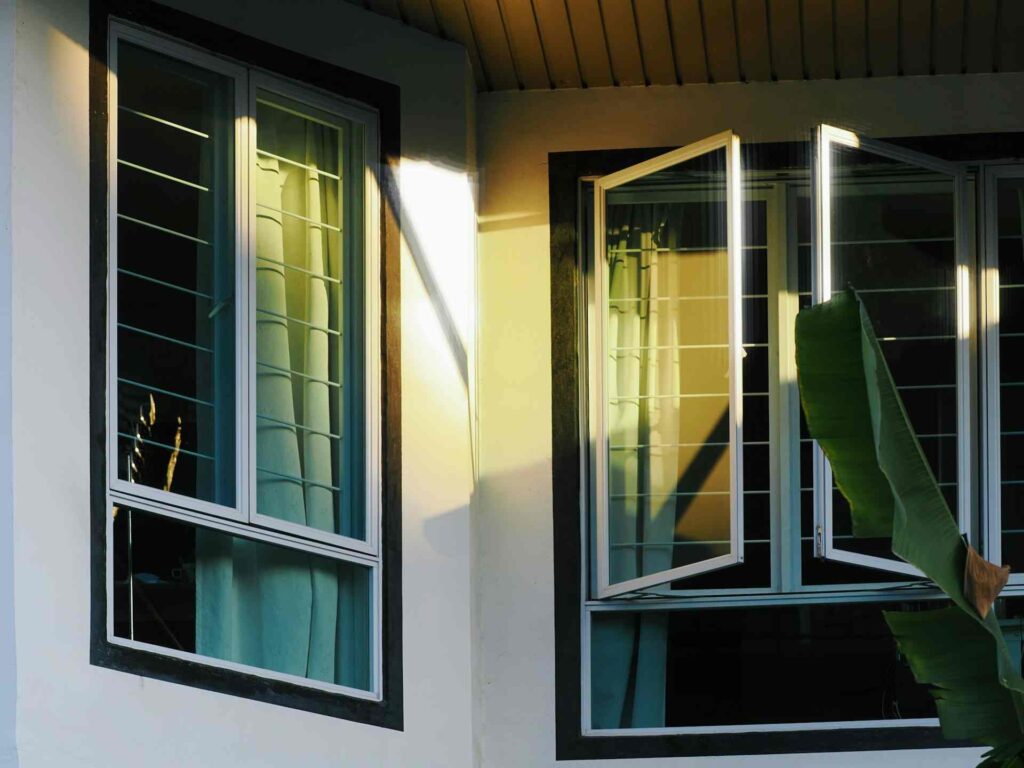
Windows are one of the most exposed parts of any home. They connect the warm air inside with the cold temperatures outside, and that difference in temperature creates the right conditions for moisture to build up. Add some dust and a bit of organic material from the air, and you have everything mold needs to grow.
This is something the team at Ecoline Windows Medicine Hat sees regularly. Even though the two are closely related, people often don’t associate mold with window quality. Mold grows more on cooler surfaces like older or poorly built windows, where condensation might gather. This is common in older windows or sites with insufficient insulation to keep the glass warm in winter.
The Role of Moisture and Poor Ventilation in Mold Formation
Humidity increases when there is insufficient fresh air flowing through a space. Because people cook, take showers, and breathe in bathrooms, kitchens, and bedrooms all day long, these areas are particularly vulnerable to this.
Winter rooms are coldest around the windows. When ventilation is low and interior humidity is high, condensation forms here most often. Unfortunately, poor ventilation keeps damp air circulating without drying out. Reducing danger with exhaust fans, open windows, and proper indoor humidity is simple.
How Condensation on Window Frames Creates the Perfect Environment for Mold
Water droplets form condensation on cool morning windows. When hot interior air contacts a cool glass or frame, it condenses into water. This is natural, but if it keeps happening, the moisture can provide the perfect environment for mold growth, especially in window corners and seals where drying takes longer.
Over time, wooden frames absorb that moisture, making them particularly susceptible. If water continues to pool in the corners and around the seals, even vinyl or aluminum frames might grow mold. The recurring cycle of condensation and delayed drying that occurs over the course of a Canadian winter is the main problem, not one or two chilly mornings.
Signs That Mold Around Your Windows Is Getting Worse
Mold does not always look the same, so it helps to know what to watch for. Some of the most common signs that the situation is getting worse include:
- Dark spots or patches that are black, green, or grey appearing on or near the window frame
- A musty smell near the window that does not go away even after cleaning
- Paint or wallpaper that starts to peel or bubble near the window area
- Soft or discoloured areas on a wooden frame that feel damp to the touch
- Visible gaps or damage to the window seal that let in cold air and moisture
If you notice more than one of these signs at the same time, it is worth taking a closer look and acting sooner rather than later.
The Visible Damage Mold Leaves on Window Frames, Sills, and Walls
Mold is unsightly and damages window surrounds. This type of damage is often overlooked until it appears on walls or trim if moisture penetrates deeply into the material. Some paint flakes as it loses its hold. Stains on the window wall can be difficult to remove, sometimes reaching the drywall.
Mold around windows suggests a neglected home. Overall property attractiveness is affected. This may also indicate to homeowners that the window system is not adequately managing inside moisture. If ignored, a small black spot can expand throughout the window frame and wall.
Bottom Line
Mold that grows after cleaning often suggests moisture, ventilation, or window performance issues. Mold around windows goes beyond aesthetics. It indicates excessive moisture and poor ventilation in your home. Canada’s environment makes windows vulnerable over the long winter months, and if left unfixed, the problem can worsen.
Practical measures that have a significant impact include monitoring condensation, maintaining adequate ventilation in rooms, and routinely inspecting the state of your window frames. Additionally, it might be time to consider whether your windows themselves need to be fixed or replaced if the mold persists despite your best efforts.