
How Seasonal Home Checks Prevent Costly Repairs
Homeowners face a constant stream of maintenance choices throughout the calendar year. Weather changes bring unique challenges to every segment of a building structure. Small leaks or tiny wall drafts can grow into major financial burdens if left unaddressed.
Regular walk-throughs help identify structural issues before they require expensive emergency contractors. Property owners save thousands of dollars by catching minor deterioration early. Planning these evaluations around the changing seasons keeps a building safe and efficient.

Catching Small Problems Early
Minor plumbing issues frequently hide in attics or deep crawlspaces without showing obvious external signs. Professional property inspection services identify these hidden flaws before structural wood begins to rot. Early detection prevents minor dripping from ruining expensive drywall or ceiling plaster.
Foundation cracks can shift unpredictably during intense freeze and thaw cycles. Standard seasonal evaluations catch these tiny fractures before winter moisture expands the gaps. Repairing a small crack costs a tiny fraction of a full structural foundation replacement.
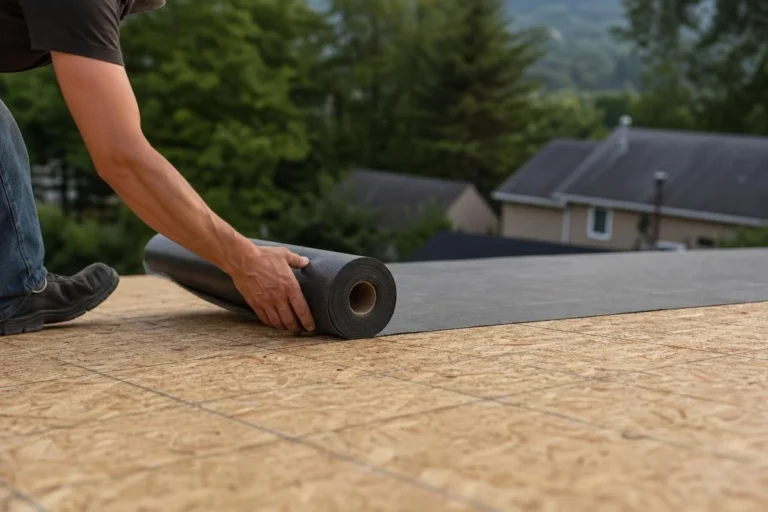
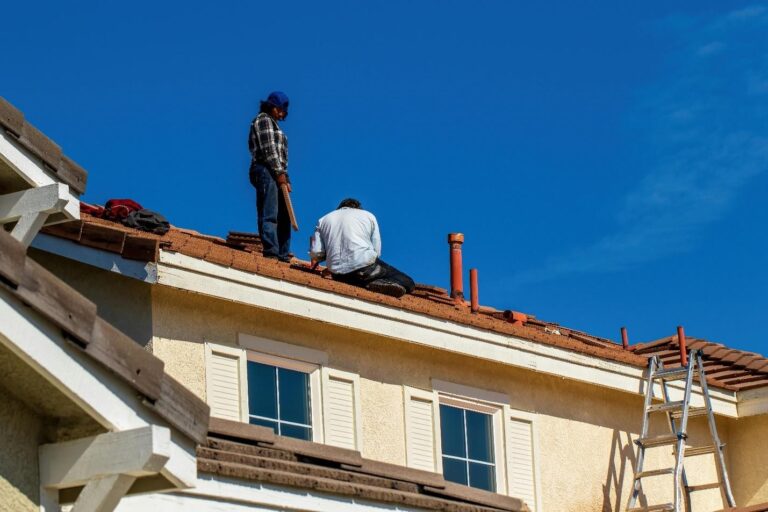
Roof shingles often loosen during intense summer storms and high winds. Catching a loose tile early protects the entire attic insulation from water damage. Homeowners sleep better knowing their exterior shield stands strong against coming storms.
Minor plumbing issues frequently hide in attics or deep crawlspaces without showing obvious external signs. Attics can also develop problems caused by pests, debris, moisture, or damaged insulation, making them an important area to inspect during seasonal home checks.
When issues are discovered, professional attic cleanup and repair can help restore the space before further damage occurs.
Protecting Against Winter Weather
Freezing temperatures create severe physical stress on outdoor plumbing lines. Water trapped inside uninsulated pipes expands rapidly – this leads to sudden bursts and indoor flooding. Draining exterior spigots remains a primary step for winter readiness.
Cold winds push through tiny gaps around window frames and exterior doors. Adding fresh caulk keeps heated air inside the living rooms where it belongs. This simple fix reduces strain on the main furnace during the coldest months.
Gutters must stay completely clear of leaves before the first major snowfall hits. Frozen debris creates thick ice dams that push water backward under roof shingles. Regular cleaning avoids this major source of winter roof leaks.
Preparing For Summer Heat
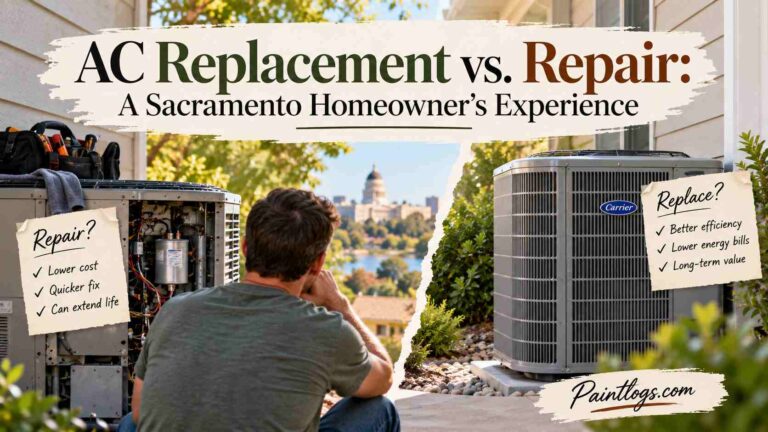
High humidity levels can trigger rapid mold growth inside dark basement spaces. Air conditioning units require clean filters to manage indoor moisture levels efficiently. Checking the cooling system before summer guarantees cool air during severe heat waves.
Direct sun exposure damages exterior wood decks and vinyl siding as seasons pass. Applying fresh protective sealant blocks harmful ultraviolet rays from causing deep cracks. This maintenance step extends the lifespan of expensive outdoor wooden structures.
Pest activity spikes when outdoor temperatures rise across the local region. Termites and ants seek easy entry points through small foundation gaps. Sealing these holes keeps unwanted insects completely out of the main living spaces.
Maintaining Indoor Air Quality
Dust accumulates inside ventilation systems throughout the course of the year. Regular duct reviews keep the indoor environment clean and breathable for everyone. Clean air paths help residents breathe easier every single day.
Exhaust fans in bathrooms require routine cleaning to remove thick layers of lint. Clean fans pull moisture out of the room with maximum efficiency. Preventing damp air protects bathroom walls from peeling paint and ugly mildew.
A scholarly study highlighted that home evaluations remain crucial for keeping living spaces comfortable and habitable through expert guidance. Regular checks confirm that everything functions safely for the occupants. This baseline habit preserves long-term property habitability.
Managing Long-Term Value
Academic literature connects low building quality with broader negative effects on human wellness and residential stability. Maintaining a property prevents the decay that leads to these difficult living conditions. Steady upkeep protects both family health and financial investments.
Deferred maintenance lowers the market value of an entire neighborhood after years of neglect. Buyers avoid houses with long lists of visible structural problems. Keeping up with small repairs maintains peak equity for the property owner.
Simple weekly steps build a strong foundation for property protection:
- Clearing leaves from walkways prevents slipping hazards during rain.
- Checking smoke detector batteries saves lives during unexpected emergencies.
- Testing ground fault outlets keeps electrical systems operating safely.
Budgeting For Home Upkeep
Setting aside money for repairs prevents sudden financial stress on the family. Experts recommend saving 1% of the total home value annually for maintenance. This dedicated fund covers unexpected issues without breaking the monthly budget.
Replacing an entire heating system requires thousands of dollars at one time. Fixing a small belt or broken sensor costs under $100. Regular professional checkups delay the need for expensive system replacements.
Track all seasonal fixes in a dedicated notebook or digital spreadsheet. Reviewing past repairs helps predict future maintenance needs accurately. Organization turns chaotic homeownership into a manageable and predictable routine.
Choosing The Right Tools
Basic maintenance tasks require a reliable set of household instruments. A sturdy extension ladder helps reach gutters and high windows safely. Quality flashlights reveal dark corners where pests or water leaks hide.
Moisture meters detect dampness inside drywall before dark stains appear. This tool provides accurate readings after heavy seasonal rainstorms. Investing in good gear makes weekend walk-throughs much faster.
Some complex systems require advanced tools beyond standard homeowner kits. Calling a specialist for electrical or structural issues makes perfect sense. Knowing when to get help prevents dangerous amateur mistakes.
Staying ahead of building deterioration requires consistent observation throughout the seasons. Small efforts spent checking pipes or roofs save major financial headaches later. Protecting a home means watching for tiny changes every month.
Consistent care transforms property management into an easy habit. Buildings reward attentive owners with safety and long-lasting value. Start a seasonal checklist today to protect your biggest asset.