How to Turn Your Garage Entry Into a Smarter Family Drop Zone
If your garage is the door everyone actually uses, it probably collects shoes, bags, sports gear, and random receipts like a magnet. That chaos builds up fast, especially in busy households where nobody has time for a daily cleanup marathon.
A well-planned garage drop zone gives you a practical landing spot right where life enters the house. You get less clutter inside, fewer lost items, and a setup that works with your routine instead of fighting it.
What a garage drop zone actually does for your home
A garage drop zone is a small, organized area near the entry from your garage into the house. It catches the stuff you carry in every day before it spreads across the kitchen counter, stairs, and sofa.
Think about what usually lands by the door: backpacks, water bottles, grocery bags, muddy shoes, and charging cables. Without a system, all of it forms a clutter pile with surprising speed. Your garage can interrupt that cycle.
A good drop zone supports traffic flow, keeps essentials visible, and makes leaving the house easier too. Instead of hunting for keys while already late, you know where they live. It also protects your interior floors from dirt and moisture, which matters more than people expect during rainy weeks, sports seasons, or winter slush. The mess still exists, but now it has a designated parking spot.
Pick the right storage pieces for the space you have
You do not need a giant garage or custom cabinetry to make this work. You need smart scale and the right mix of storage types.
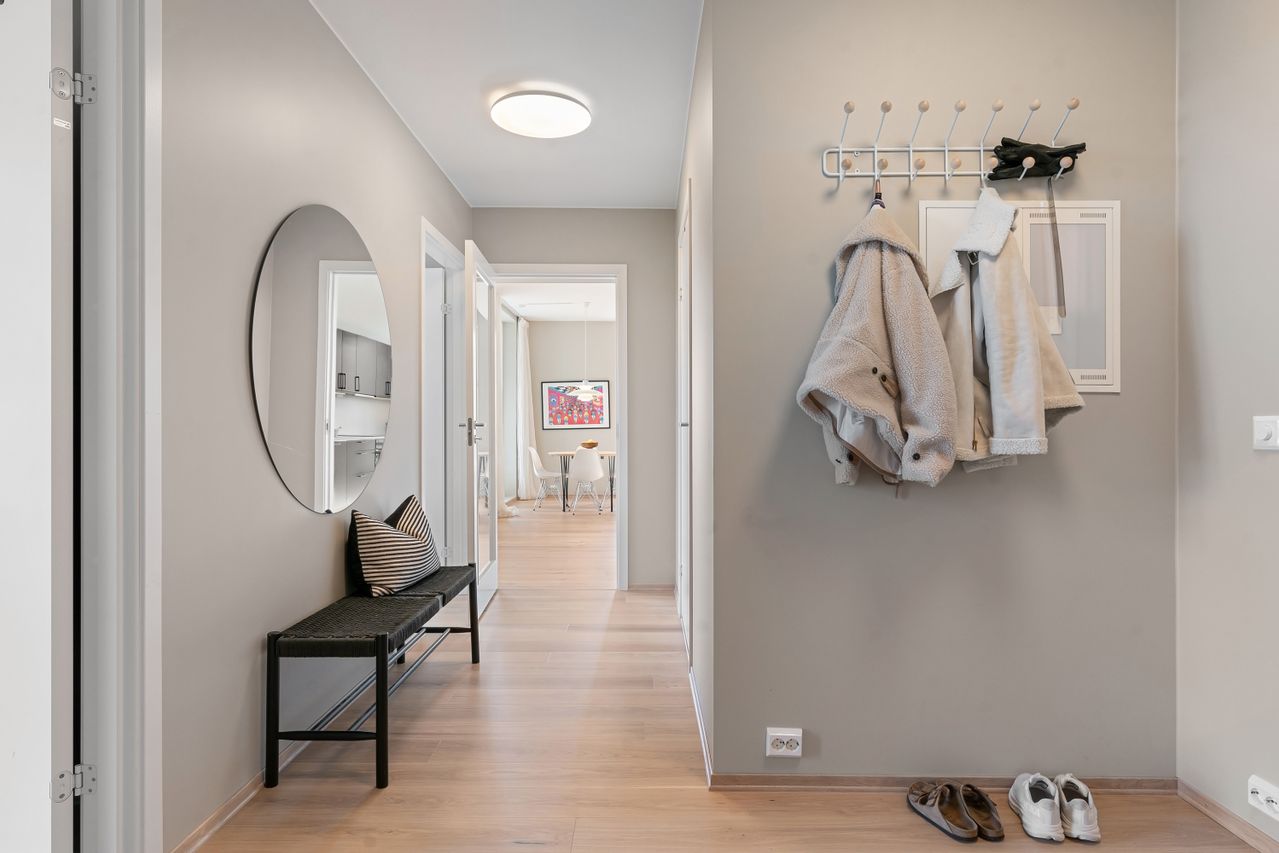
Wall hooks are useful for backpacks, jackets, and tote bags. Open cubbies make it easy for kids to toss items in without opening doors. A narrow bench gives you a place to sit while removing shoes, and it can double as hidden storage if it has a lift-top or baskets underneath.
For smaller garages, go vertical. Shelving above eye level can hold lesser-used items such as extra paper towels, seasonal accessories, or backup sports equipment. A peg rail or slatwall system can create flexible storage without taking much floor space.
If you want more inspiration, these drop zone garage ideas show how busy families can use storage, seating, and wall systems to create an entry area that feels intentional rather than improvised.
Start by studying your family’s real habits
Before you buy hooks or bins, pay attention to what your household actually does. Not what you wish everyone did. Real behavior wins every time.
Watch the entry pattern for a few days. Do kids drop shoes first and bags second? Does someone always need a place for work gear, pet supplies, or gym clothes? Are there daily items that should stay near the door, such as umbrellas, lunch boxes, or reusable shopping bags?
Write a short list of what enters and exits most often. Then divide items into categories:
– Things you grab every day
– Things you use a few times a week
– Seasonal gear
– Items that need charging
– Dirty or wet items
This simple audit helps you avoid building a Pinterest-perfect setup that no one uses. A drop zone should match your routine with almost annoying accuracy. If your family never hangs coats, forcing coat hooks into the design won’t magically create discipline.
Make it easy for everyone to use without reminders
The best setup is the one people use automatically. That means reducing friction. If a bin is too high, too small, or too confusing, it gets ignored.
Give each family member a clearly defined space. You can use labeled baskets, cubbies, or assigned hooks. If kids are involved, keep their storage at a reachable height. High design is nice. Actual usability is nicer.
A few practical moves help a lot:
– Keep shoes near the floor
– Store keys and wallets in one visible tray
– Add a charging station for devices
– Use closed bins for visual calm
– Leave open space for temporary items like packages
You should also leave some breathing room. An overpacked drop zone becomes just another clutter zone with better branding. Build in enough capacity for real life, including the days when everyone comes home carrying three extra things and a mild sense of chaos.
Plan for dirt, moisture, and the less glamorous stuff
A garage entry deals with mess. That is part of the job. Your materials and layout should be ready for that reality.
Choose surfaces that are easy to wipe down, especially if you live somewhere with rain, snow, dust, or muddy yards. Rubber mats, sealed flooring, washable baskets, and durable paint finishes hold up better than delicate materials. If shoes often come in wet, add a tray or waterproof boot mat instead of hoping the floor will forgive you.
Ventilation matters too. Damp jackets and sports gear can create odors fast. A few wire baskets or breathable bins work better than sealing everything in plastic containers. If you have room, dedicate one hook or basket for items that need to dry before they go elsewhere.
This is also the right place for a small trash bin or recycling basket. It sounds minor, but it stops junk mail, snack wrappers, and receipts from migrating into the house like they pay rent.
Blend function with a look you actually like
A practical space does not need to feel cold or unfinished. Your garage drop zone can still look polished, even if its main purpose is dealing with muddy cleats and overstuffed backpacks.
Stick to a simple color palette so the area feels cohesive. Neutral bins, matching hooks, and a bench in wood or matte black can create a clean style without trying too hard. If your home leans modern, farmhouse, or minimal, carry a bit of that look into the garage entry.
You can add a framed calendar, a small mirror, or a corkboard for notes if they support your routine. Decorative touches should still earn their spot. If something looks great but blocks movement or collects dust, it is probably not helping.
Good design here is really about visual order. When everything has a place and the materials work together, the whole zone feels calmer. That calm is useful when you are walking in with groceries, wet shoes, and exactly zero extra patience.
Keep the system working long after setup day
Even a well-designed drop zone can slide into disorder if nobody resets it. The goal is to make upkeep quick and predictable rather than letting clutter build until it becomes a full weekend project.
A five-minute reset once or twice a week can make a big difference. Return stray items, clear out trash, wipe down surfaces, and move seasonal gear when needed. Regular decluttering works best when it becomes part of a routine, because small maintenance sessions are much easier to manage than occasional large cleanouts.
As routines change, the setup should change with them. A family with toddlers needs different storage than one with teenagers, drivers, or student athletes. Hooks, bins, baskets, and shelves should support the way people actually use the space now, not the way they used it two years ago.
A few simple habits help keep the system functional:
– Rotate seasonal shoes and outerwear
– Re-label bins when needs change
– Donate items that are no longer being used
– Check for loose hooks or overloaded shelves
– Keep one basket available for temporary overflow
It also helps to avoid packing every shelf and bin to maximum capacity. Leaving some open storage space makes organizing systems easier to maintain because new items have somewhere to go without immediately creating another pile.
A drop zone works best when it stays flexible. You are not building a showroom. You are building a system that helps the household run more smoothly, one backpack, pair of shoes, and missing keychain at a time.