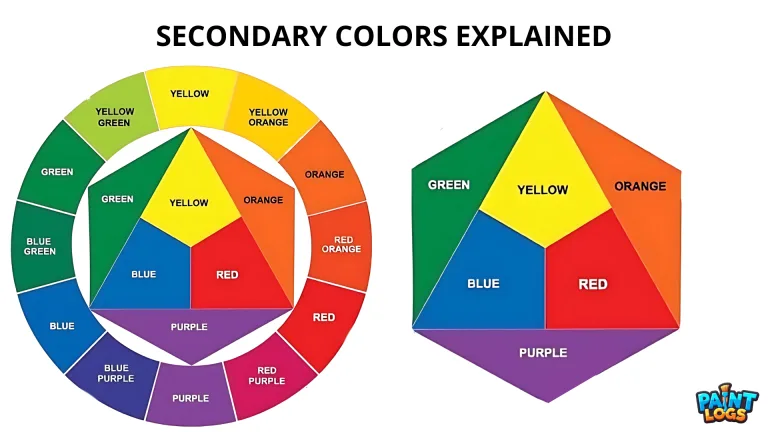

What Color Do Orange and Yellow Make When Mixed? When you mix orange and yellow, you get a warm, golden hue known as amber—also referred to as yellow-orange in color theory.
This tertiary color brings out the brightness of yellow and the boldness of orange, creating a glowing blend that feels both vibrant and balanced. It’s a color that evokes feelings of energy, joy, and warmth. That’s why it’s a favorite in everything from painting sunsets to designing cozy interiors and accent walls.
Wondering what really happens when orange and yellow come together? This guide walks you through the exact result of combining these two warm hues, explaining how to create amber in paint, its digital equivalents, and how to use it in real life. Let’s start with the quick answer.
| Mixing | Result | Hex Code (Approx.) |
| Yellow + Orange | Amber (Yellow-Orange) | #FFA500 |

Quick Answer : How to create amber from paint?
Yellow + Orange = Amber
In pigment mixing (RYB model), this blend produces yellow-orange, a tertiary color that sits directly between yellow and orange on the color wheel. In digital design (RGB model), the color may appear brighter, with a golden or apricot-like glow.
| Yellow | Orange | Result | Description |
| 1 part | 1 part | Amber | Classic yellow-orange balance |
| 2 parts | 1 part | Light amber | Softer, more pastel |
| 1 part | 2 parts | Deep amber | Richer, deeper orange influence |
This mixture is versatile. It can feel tropical, cozy, or bold—depending on how you use it.
Is It Yellow-Orange, Amber, or Light Orange?
Orange + Yellow = What color?
You might hear different names used to describe this blended shade: amber, yellow-orange, or light orange. While they’re often used interchangeably in casual conversation, there are some subtle differences:
- Yellow-Orange is the formal name for the hue that sits between yellow and orange on the color wheel. It’s part of the tertiary color family.
- Amber is a slightly deeper, glowing version of yellow-orange and often carries emotional or atmospheric qualities in art and design.
- Light Orange typically refers to orange mixed with white—not yellow. This creates a softer, more pastel tone, distinct from yellow-orange in both origin and effect.
So, if you’re combining orange and yellow paints, you’re not creating “light orange”—you’re producing a golden, radiant version of amber or yellow-orange.
How the Proportions Affect the Final What Color Do Orange and Yellow Make
The final shade you get from mixing orange and yellow depends entirely on the ratio between the two. Here’s a helpful breakdown to guide your mix:
| Yellow : Orange | Mix (%) | Final Color Result | Visual Description |
| 3:1 | 75% Yellow, 25% Orange | Light Yellow-Orange | Soft and sunny, great for highlights |
| 2:1 | 66% Yellow, 33% Orange | True Amber | Balanced warmth, ideal for golden tones |
| 1:1 | 50% Yellow, 50% Orange | Rich Yellow-Orange | Bold and vivid, perfect for sunsets |
| 1:2 | 33% Yellow, 66% Orange | Orange-Heavy Amber | Strong, fiery tone with yellow undertone |
| 1:3 | 25% Yellow, 75% Orange | Warm Orange with Glow | Mostly orange with a golden edge |
The more yellow you add, the lighter and more pastel the shade becomes. The more orange you use, the deeper and bolder the result.

Practical Tip:
If you’re aiming for soft lighting effects or highlights, lean into yellow. If you need warmth or energy in your subject, let orange dominate. Always test a small amount first to see how the mix plays out under your specific lighting conditions or paper tone.
Mixing Yellow and Orange in Paint (Step-by-Step Tutorial)
Mixing Yellow and Orange in Paint: Step-by-Step
- Start with a clean palette.
Use separate blobs of yellow and orange acrylic, gouache, or watercolor paint. - Use a 2:1 ratio (Yellow:Orange).
This produces a bright amber tone without overwhelming the mix with orange. - Mix thoroughly using a palette knife or brush.
Observe the shift into a rich yellow-orange. - Adjust as needed:
- Add more yellow for a lighter, pastel result.
- Add more orange for a fiery golden hue.
- Mix in white for tints (peach tones).
- Add a hint of black or brown for muted shades.
- Add more yellow for a lighter, pastel result.
Tip: Test on a scrap surface before applying to your artwork to observe how it dries. Acrylic and watercolor may darken slightly after drying.

Color Theory Breakdown: How Yellow and Orange Create Amber
To fully understand what color orange and yellow make, we need to look at how they fit into the color theory system—especially the RYB model used in painting and design.
Primary, Secondary, and Tertiary Colors: A Quick Review
- Primary Colors: Red, Yellow, Blue – cannot be made by mixing other colors.
- Secondary Colors: Made by mixing two primaries.
- Red + Yellow = Orange
- Red + Yellow = Orange
- Tertiary Colors: Made by mixing a primary with a secondary next to it on the color wheel.
Since yellow is a primary color and orange is a secondary color, their mix results in a tertiary color.
So when you mix yellow (primary) and orange (secondary), you get a tertiary hue known as yellow-orange or amber.
This category of colors is essential in color blending and painting. It helps artists build smoother transitions and realistic light effects in their work.
Why Yellow + Orange Creates a Tertiary Color
Mixing yellow and orange is not random—it follows a predictable rule of color theory. These two are analogous colors, meaning they sit next to each other on the color wheel. Their combination doesn’t neutralize or dull—they intensify warmth.
This creates a harmonious blend that is both vibrant and easy on the eyes, unlike complementary colors that contrast sharply.
Because orange is already made from red and yellow, adding more yellow to it pulls the color back toward a bright, golden tone—giving us amber or yellow-orange.

Where Yellow-Orange Sits on the RYB Color Wheel
In the RYB (Red-Yellow-Blue) color model, commonly used in traditional painting, yellow-orange sits between yellow and orange. It’s not halfway like a 50/50 mix—it depends on your ratio.
- Closer to yellow? The result is a lighter yellow-orange.
- More orange? You’ll get a deeper amber or rich golden orange.
This part of the color wheel is filled with warmth and movement. Artists use this space to create highlights, firelight, golden sunsets, and even healthy skin tones.
Knowing where your mixed color lands helps you repeat it accurately and understand its role in your overall palette.

Yellow-Orange in Real Life
Yellow and orange combine to form yellow-orange—often known as amber—a glowing, cheerful hue. This color goes beyond theory. It’s a real-world favorite found in home decor, fashion, and branding, offering emotional warmth, creativity, and energy wherever it appears.
Interior Design: Warm & Welcoming
In interior spaces, yellow-orange adds instant vibrancy and coziness. It’s a popular choice for accent walls, throw pillows, and seasonal textiles. This hue sparks energy in dining areas and kitchens and pairs beautifully with wood, cream, olive green, and terracotta for an inviting, earthy palette.
Fashion: Vibrant & Earthy Style
Yellow-orange frequently shows up in spring and fall collections. You’ll find it in scarves, coats, boho prints, and retro designs. It’s youthful and radiant without being overpowering. The color’s natural warmth also makes it ideal for traditional garments and artisan textile patterns.
Branding: Fun, Creative & Trustworthy
Brands love yellow-orange for its friendly and energizing feel. It’s widely used in food, wellness, and educational sectors to evoke joy and optimism. It grabs attention gently—less aggressive than red but just as impactful. Think of Fanta, which uses this shade to signal fun and fruitiness, or cozy lifestyle blogs that lean into amber aesthetics for approachability.
Symbolism and Psychology of Amber Color
Color psychology tells us a lot about how people respond to yellow-orange. This hue combines two emotionally powerful colors—yellow and orange—creating a harmonious emotional effect.
Emotional and Psychological Effects
- Warmth: It feels like sunlight or a glowing fire.
- Enthusiasm: It’s energizing but not overwhelming.
- Happiness: It sparks joy without feeling childish like bright yellow might.
It’s a color of creativity and clarity—perfect for artists looking to stir positive emotions without loudness.

Color Therapy and Mood Associations of Amber Color
In color therapy, yellow-orange (or amber) is often associated with:
- Uplifted mood
- Increased focus and energy
- Balancing emotions
It’s said to help boost confidence, making it useful in therapy spaces, educational settings, and creative studios. It may also reduce emotional fatigue when used in subtle doses.
Spiritual Meaning and Auras of Yellow and Orange Color
In spiritual contexts, yellow-orange is connected with the sacral chakra and solar plexus chakra. It’s said to represent:
- Creativity and life force
- Courage and self-expression
- Vitality and inner warmth
Amber is also linked to healing in some metaphysical beliefs, especially when used in crystal form. Its aura is believed to be grounding yet energizing—perfect for artists tapping into inner inspiration.
Amber Color Palette Ideas and Inspiration
Once you know how to create amber with orange and yellow, the next step is to use it creatively. Here are three beautiful color palette ideas featuring yellow-orange as the anchor hue.
1. Golden Hour Glow
Yellow-Orange + Warm Gray + Soft White
Perfect for modern, earthy design schemes. This palette brings warmth to minimal interiors or branding layouts.
2. Rustic Autumn
Yellow-Orange + Olive Green + Deep Burgundy
Ideal for seasonal packaging, cozy fashion lines, or moody fall artwork.
3. Citrus Bright
Yellow-Orange + Lemon Yellow + Teal
A fresh and playful mix for summer graphics, children’s art projects, or upbeat web design.
Each palette shows how this single color—born from orange and yellow—can fit into totally different moods.

Yellow + Orange Digital Mix Examples (with Hex Codes)
| Color Mix | Hex Code | Description |
| Yellow (#FFFF00) + Orange (#FFA500) | #FFB733 | Bright golden tone |
| More Yellow than Orange | #FFCC66 | Pale amber, sunny glow |
| More Orange than Yellow | #FF9900 | Deep amber, closer to orange |
| Amber + White | #FFE5B4 | Soft pastel (light peach) |
| Amber + Black | #CC7700 | Earthy, darkened amber |

Conclusion: What Happens When You Mix Yellow and Orange?
Yellow and orange come together to create more than just a pretty shade—they produce amber, a hue full of warmth, energy, and creative potential.
Whether you’re painting, designing, or decorating, understanding this mix gives you access to one of the most versatile warm tones on the wheel.
And now that you’ve mastered the ratio, names, and practical uses, you can apply this radiant color with confidence.
FAQs
What is the official name for yellow and orange mixed?
The official term in color theory is yellow-orange, a tertiary color created by mixing the primary color yellow with the secondary color orange. In artistic and design settings, it’s also commonly called amber.
Is yellow-orange the same as amber or gold?
Not exactly. While yellow-orange and amber are often used interchangeably, gold is usually a metallic tone that reflects light. Amber is richer and deeper than yellow-orange and may carry more red or brown undertones depending on the context.
Can I make orange if I only have yellow?
No, not on its own. Orange is a secondary color made by mixing yellow and red. If you only have yellow, you would need red to create orange first, then combine them to explore yellow-orange.
What does orange and yellow make in light vs paint?
In paint (subtractive color mixing using the RYB model), yellow and orange produce yellow-orange or amber—a warm, blended tertiary color.
In light (additive color mixing using the RGB model), mixing yellow and orange light results in a lighter, brighter yellowish-orange glow, often leaning closer to a light amber or golden tone. The effect is more intense and luminous than in paint.
What colors go well with yellow-orange?
Yellow-orange pairs well with:
Teal or blue-green (its complementary color)
Muted grays and beiges (for balance)
Burgundy or olive green (for earthy, rich palettes)
Soft whites and creams (for brightness)
Terracotta and rust (for tonal harmony)
These combinations are frequently used in interiors, fashion, and seasonal artwork.
What is the hex code for yellow-orange?
A common hex code for yellow-orange (amber) is #FFA500.
However, the exact shade can vary based on the proportions of yellow and orange used. Lighter mixes might be closer to #FFB347, while deeper versions can lean toward #FF8C00.
You can adjust brightness and saturation to create a range of amber tones digitally.
Do yellow and orange make brown?
Not directly.
Mixing yellow and orange typically gives you yellow-orange or amber, a warm, golden tone—not brown.
However, if you darken that yellow-orange by adding a touch of blue (its complementary color) or black, it can shift toward a muddy brownish tone. But yellow + orange alone won’t create brown unless a third color is involved.
Do yellow and orange make gold?
They can come close!
Mixing yellow and orange creates amber or golden hues, which are visually similar to gold, especially when highlights and texture (like metallic sheen) are added in paint or design.
To get a true gold effect, you usually need:
Yellow + orange base
Plus white for highlights
Maybe a tiny touch of brown or gray for depth
And often a metallic finish (in digital or physical media)
So while yellow + orange can suggest gold, true gold includes light, shadow, and shimmer.