
Pink is a universally loved color, seen in everything from delicate roses to bold neon signs. But What Colors Make Pink—exactly? The typical answer is “red and white,” but there’s a lot more to understand if you’re aiming for the perfect shade.
In this guide, we’ll explore:
- Which red pigments give you the cleanest results
- How different mixing techniques like tinting and glazing change the outcome
- What to do if you don’t have white paint
- And how to create pink in paint, digital art, and even baking
Let’s break it down simply—with visuals, tips, and pro-level clarity.

What Two Colors Make Pink?
➤ What 2 Colors Make Pink?
At the most basic level:
Red + White → Pink
Not getting the right pink? The issue might be your red. Here’s how to mix red paint properly before adding white.
But here’s the key:
➤ Always start with white and add small amounts of red.
➤ If you start with red and add white, the red will overpower fast.
Red to White Mixing Ratios:
| Shade | Red : White Ratio | Resulting Pink |
|---|---|---|
| Light Pink | 1 : 4 | Baby pink / blush |
| Medium Pink | 1 : 2 | Rose pink |
| Bright Pink | 2 : 1 | Bubblegum pink |
➤ What Two Colors Make Pink Without White?
No white? Try magenta + yellow to create a red tone, then dilute with water or glaze it thin for a pinkish look.
Alternatives:
- Magenta + light yellow = peachy pink
- Magenta + glaze medium (or water) = translucent pink
- Red + light beige = muted dusty pink
These mixes help simulate pink when white pigment isn’t available—especially in watercolor or marker blending.
➤ What Colors Make Pink Without White?
Another way to think about it: instead of using white pigment, use techniques that lighten visually:
| Substitute Method | Colors Used | End Result |
|---|---|---|
| Watercolor wash | Magenta + lots of water | Pale pink wash |
| Digital design | Adjust brightness of magenta | Light pink color |
| Tinted beige method | Red + beige | Warm dusty pink |

The Science of Pigments – Red Undertones & Their Impact on Pink
Here’s where most beginner guides fall short. Not all reds are created equal. Some have a yellow bias (warm), some lean blue (cool). That undertone completely changes the pink you get when mixed with white.
➤ Cadmium Red vs. Alizarin Crimson vs. Quinacridon
| Pigment | Color Bias | Pink Result |
|---|---|---|
| Cadmium Red | Warm | Coral, salmon pink |
| Alizarin Crimson | Cool | Mauve, dusty rose |
| Quinacridone Magenta | Very Cool | Bright hot pink |
➤ If your pinks look too orange, you’re probably using a warm red.
➤ For cleaner, more vibrant pinks, use Quinacridone Magenta or Opera Pink.
➤ Warm and Cool Pinks Based on Pigment
Warm pinks = Coral, peach, salmon
Cool pinks = Bubblegum, fuchsia, mauve
To control the temperature of your pink, always check:
- The label of your red paint (it may note “warm” or “cool”)
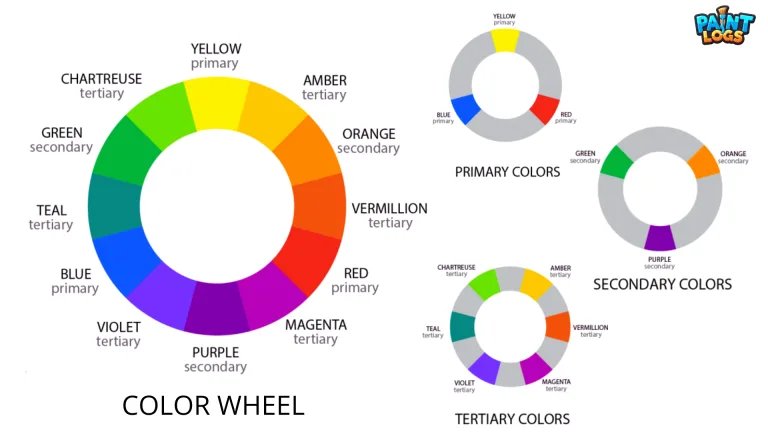
- Its position on the color wheel (closer to yellow = warm, closer to blue = cool)

➤ Why Magenta Produces Cleaner Pinks
Magenta doesn’t have the yellow undertone most reds carry. That’s why:
Magenta + white = bright, vibrant pink, instead of salmon or coral.
Ideal for:
- Digital art (HEX: #FF00FF)
- Acrylic or gouache painting
- Food coloring with precision
Pro Tip: Use Titanium White instead of Zinc White for stronger, opaque tints.

🎨 Tinting vs. Glazing – Techniques for Cleaner, Brighter Pinks
Most beginner guides only talk about mixing red and white, but how you mix them matters just as much as what you mix. That’s where tinting and glazing come in—two core techniques that can either flatten or brighten your pink, depending on what you use them for.
➤ What Is Tinting (and When to Use It)
Tinting is the act of mixing a color directly with white to lighten it. This creates a matte, pastel version of your base color.
Use tinting when you want:
- Solid, flat color coverage
- Pastel or blush pinks
- Quick drying time (especially in acrylics)
📊 What Colors Make Pink? Examples of Red + White Tinting :
| Red Pigment | White Ratio | Resulting Pink |
|---|---|---|
| Cadmium Red + Titanium White | 1:2 | Peachy Pink |
| Alizarin Crimson + Zinc White | 1:3 | Dusty Rose |
| Quinacridone Magenta + Titanium White | 2:1 | Hot Pink |
➤ What Is Glazing and Why It’s So Powerful
Glazing is a method where a transparent layer of color is applied over a dry, light base—usually white. Instead of diluting the pigment with white, it lets the light bounce back through the color layer, creating rich, glowing tones.
Perfect for:
- Luminous finishes
- Depth and layering
- Fine art techniques (especially in oil and acrylic)
Best used with:
- Quinacridone pigments (they’re naturally transparent)
- Glazing mediums (Golden, Liquitex, or oil-based mediums)
- Titanium white underpaintings

🧾 Artist Grade vs Student Paint – Why It Matters
Most beginner painters don’t realize that their paint quality directly impacts the kind of pink they can produce. A poor-quality paint might look “red” on the tube, but it’s often packed with filler and lacks the purity needed to make clean pink.
Artist grade paints:
- Higher pigment load
- More vibrant, clean results
- Fewer fillers
- More transparent or more opaque—by design
Student grade paints:
- Cheaper, but diluted with chalk or binder
- Inconsistent tint strength
- Less pigment accuracy (color shift when mixed)
What Colors Make Pink, Hot Pink, Neon Pink & Fuchsia?
Not all pinks are soft and subtle—some are bold, electric, and meant to pop. Mixing these ultra-vibrant pinks requires specific pigments and techniques. You won’t get neon results just by adding more red.
➤ What Colors Make Hot Pink Paint?
Hot pink = Quinacridone Magenta + Titanium White
Why not red? Because most reds have a yellow bias, which muddies the mix.
Best formula:
- 2 parts quinacridone magenta
- 1 part titanium white
- Optional: Add gloss or glazing medium for extra pop
➤ How to Make Neon or Fuchsia Pink
- Fuchsia = Magenta + tiny amount of purple or blue
- Neon pink = Fluorescent pink pigment layered over white underpainting
📌 Digital HEX values:
- Hot Pink = #FF69B4
- Fuchsia = #FF00FF
- Neon Pink = #FF10F0 (use glow effects)
➤ Pro Tips for Maximum Brightness
- Use transparent pigments (like Opera Pink) over white
- Avoid using yellow-based reds for hot pink—it’ll go coral
- In digital art, adjust saturation and use additive layers
📊 Comparison: Hot Pink vs. Neon Pink vs. Fuchsia
| Shade | Made From | Result | Best Used In |
|---|---|---|---|
| Hot Pink | Magenta + white | Bold, vivid pink | Art, fashion, posters |
| Fuchsia | Magenta + touch of blue/purple | Rich, cool pink | Cosmetics, florals |
| Neon Pink | Fluorescent pink over white base | Brightest possible | Highlights, signs, neon |

Medium-by-Medium Guide – Acrylics, Oils, Watercolors
Mixing pink successfully doesn’t just depend on color theory—it also depends on what you’re using. Pink behaves differently in acrylics, oils, and watercolors, and knowing these differences gives you much more control over the final result.
➤ Mixing Pink in Acrylic Paint
Acrylics are fast-drying, water-soluble, and ideal for bold, solid pinks. They’re versatile and perfect for tinting or glazing.
Key Tips:
- Use Titanium White for strong opacity
- Use Zinc White for softer, more transparent pinks
- Add glazing medium to layer vibrant pinks over white
Challenge: Acrylics dry darker than when wet, so always mix a bit lighter than the target color.
“New to acrylics or oil paints? Start with our beginner’s guide here.”
➤ Mixing Pink in Oil Paint
Oil paints offer long blending times and luminous layering, making them excellent for glowing pinks through glazing.
Key Tips:
- Use Alkyd white for fast-drying layers
- Build pink gradually using transparent reds like Alizarin Crimson or Quinacridone
- Thin glazes create depth without muddying the color
Challenge: Oils may yellow over time, affecting lighter pinks—use non-yellowing mediums like safflower oil.
➤ Mixing Pink in Watercolor
Watercolors let you create delicate pinks using transparency and dilution instead of white pigment.
Key Tips:
- Mix magenta or carmine red + water for pale pinks
- Layer washes to intensify color without losing softness
- Use cold-pressed paper for a gentle diffusion of pink tones
Medium Comparison Table
| Medium | Best Pigments | Method | Common Use |
|---|---|---|---|
| Acrylic | Quinacridone, Opera Pink | Tint or glaze | Posters, crafts, bold art |
| Oil | Alizarin Crimson, Magenta | Glaze layers | Realism, portraiture |
| Watercolor | Carmine, Rose Madder | Dilute w/ water | Soft florals, journaling |

💡 How to Mix Neon & Ultra-Vibrant Pinks
Creating neon pink isn’t just about mixing colors—it’s about managing brightness and reflectivity. You’ll need special pigments, layering techniques, and sometimes even optical illusions to make your pinks pop.
➤ Use High-Chroma Pigments Like Opera Pink
Pigments like Opera Pink, Quinacridone Rose, or Fluorescent Magenta are designed for intensity. These paints almost glow on the canvas when layered right.
Start with:
- Opera Pink or Fluorescent Pink
- Thin with a gloss medium or apply as a top layer
- Avoid mixing with yellow-based reds—they dull quickly
➤ Underpaint with White for Maximum Brightness
To make pink truly pop, apply your fluorescent pink over a bright white base layer. This makes the color appear brighter, like light is bouncing through it.
This is essential in:
- Acrylic or oil painting
- Murals
- Typography art
Digital hack: Use additive blend mode + soft glow for a neon effect.
➤ Layering + Finish = Neon Perception
Neon is about perceived brightness, not just pigment. That’s why:
➤ Gloss or UV varnishes can enhance brilliance
➤ Backlighting or high-contrast surroundings help digital neon stand out
➤ In crafts or signage, pair neon pink with black or white for the strongest contrast
Troubleshooting Common Pink Mixing Issues
Sometimes, pink doesn’t come out the way you planned. Whether it looks dull, too orange, or weirdly gray, these issues are easy to fix once you know what’s going wrong.
➤ Problem: “Why Does My Pink Look Muddy?”
Cause:
- Red has a yellow bias
- You added a touch of green/blue accidentally
- White paint had a gray undertone
Fix:
- Switch to a cool red like magenta
- Use a cleaner white (e.g., Titanium instead of Off-White)
- Avoid complementary color contamination (e.g., don’t mix with green brushes)
➤ Problem: “Why Is My Pink Too Orange or Peachy?”
Cause:
- You’re using a warm red (like Cadmium Red Light)
- You added yellow, even in small amounts
Fix:
- Switch to a cooler red like Alizarin Crimson or Quinacridone
- Mix with a neutral white for a true pink
➤ Problem: “Why Is My Pink Too Light or Faded?”
Cause:
- Too much white in the mix
- Low pigment strength (cheap paint)
- Overmixed in watercolor or acrylic
Fix:
- Boost with an additional drop of pigment
- Use artist-grade paint
- In watercolor, layer instead of remixing
📌 Quick Tip: Always test your mix on the actual surface you’ll be using—color shifts depending on texture and medium.
Practical Applications: Decor, Fashion, Baking & Branding
Knowing what colors make pink is more than theory—it’s incredibly useful in real-world applications across creative industries.
➤ Home Decor & Interior Design
Pink is a trend-forward color in design, from soft blush bedrooms to bold statement walls.
Popular Interior Pinks:
- Blush Pink (#FADADD): Pairs with beige, gold, or sage
- Millennial Pink (#F3CFC6): Versatile and modern
- Dusty Rose (#D4A5A5): Vintage, cozy tones
Pair pink with:
- White: for minimalism
- Navy: for contrast
- Mustard yellow: for bold accents
➤ Fashion, Makeup & Branding
Pink communicates everything from elegance to playfulness.
| Shade | Common Use |
|---|---|
| Soft Pink | Bridal wear, skincare |
| Hot Pink | Summer fashion, heels |
| Fuchsia | Lipstick, tech branding |
➤ Logos that use pink: Barbie, Cosmopolitan, T-Mobile
➤ Fashion brands: Balenciaga, Valentino, Glossier
Pink tones are selected intentionally to reflect mood, message, and market.
➤ Baking, Food Coloring & Frosting
Mixing pink in frosting or batter? The same rules apply:
- Red + white frosting = pastel pink
- Add more red (or magenta gel) for bolder color
- Use a toothpick to control tiny amounts of gel dye

What Happens When You Mix Pink with Other Colors?
Pink is a strong mixer and behaves differently with each color. Knowing how it interacts with orange, green, blue, and others can help you plan palettes and transitions in your work.
➤ What Colors Do Pink and Orange Make?
When pink (red + white) meets orange (red + yellow):
➤ Result = Peach, coral, or warm salmon pink
➤ What Colors Does Pink and Green Make?
Pink + green are complementary colors—opposites on the color wheel.
➤ Result = Gray, brown, or muted neutral
“Want to learn how to mix brown the right way?”
➤ What Colors Does Blue and Pink Make?
Mixing pink and blue depends on intensity: HEX for lavender: #E6E6F
- Equal parts = Lavender or mauve
- More pink = Warm violet
- More blue = Periwinkle

Conclusion
So now you have the answer ” What Colors Make Pink ?.” Whether you’re designing a brand palette, decorating a cake, or painting a portrait, pink is far more than just red and white. Now you know how undertones, pigment quality, technique, and medium all affect the outcome.
While red and white make pink, the best shades come from the right reds, smart layering, and medium-specific techniques. Whether you’re mixing for art, baking, or branding—Quinacridone, white underpainting, and glazing give you pro-level results.
Don’t just mix—build your pinks with intention.

FAQs
What colors make pink?
The basic mix is red and white. Start with white and gradually add red to achieve the pink you want. Cooler reds create cleaner pinks; warmer reds lean coral.
What two colors make pink without white?
Mix magenta + light yellow, or use magenta diluted with water in watercolor to simulate pink. In digital tools, increase brightness or reduce saturation of magenta.
Is pink a primary or secondary color?
Pink is neither primary nor secondary. It’s a tint of red, meaning it’s made by adding white to a primary color.
What colors make hot pink?
Use quinacridone magenta + titanium white. For digital, the hot pink hex code is #FF69B4.
What color does pink and green make?
They neutralize each other. The result is often gray, brown, or a muted muddy tone, depending on ratios.
Can I make pink food coloring at home?
Yes! Use a drop of red gel food coloring in white frosting. Add gradually to control intensity.
What’s the difference between neon pink and fuchsia?
Neon pink is highly saturated and often fluorescent.
Fuchsia leans purple and is deeper in tone.
What is the best red pigment to mix pink?
According to artists on Reddit, Quinacridone Magenta is the top choice for mixing bold, clean pinks. It’s highly praised for its transparency, clean tinting, and versatility in both warm and cool pinks—much better than Cadmium Red, which can make pinks too orange or muddy.
Why do artists recommend underpainting with white before applying pink?
Many experienced painters recommend starting with a Titanium White underpainting when aiming for vibrant or neon pinks. The white surface reflects more light through transparent pink layers, boosting brightness in acrylics, oils, and gouache.
Should I mix pink all at once or layer it?
Instead of mixing red and white in one go, Reddit artists suggest layering your pinks. Begin with diluted washes of pink and gradually build up intensity. Finish with a final glaze or thick application for a richer, more dimensional pink tone.